Rice Ball Day
Japan
About
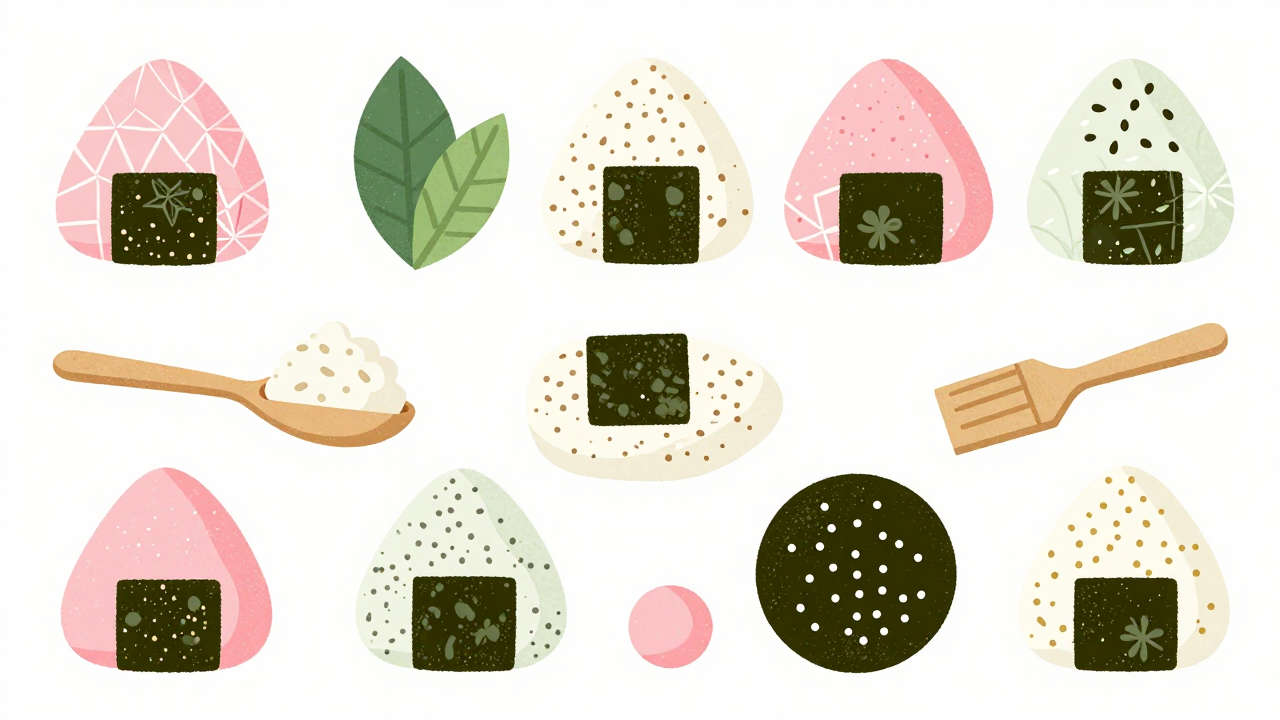
On April 19, food enthusiasts and cultures around the world come together to celebrate Rice Ball Day, a delightful observance dedicated to the beloved rice ball, or "onigiri." This delicious treat, popular in many Asian cuisines, particularly Japanese, is not just a simple snack; it represents a rich cultural heritage and showcases the versatility of rice. With its various fillings and charming triangular or round shapes, the rice ball is a symbol of comfort and nourishment, making it a favorite for picnics, lunchboxes, and family gatherings.
Rice Ball Day invites everyone to explore the many ways this humble dish can be prepared and enjoyed. From traditional fillings like pickled plum and grilled salmon to innovative combinations that reflect modern tastes, the possibilities are endless. Whether you’re an experienced chef or a curious beginner, this day is perfect for experimenting in the kitchen. So gather your ingredients, roll up your sleeves, and join in the fun as we honor Rice Ball Day on April 19, celebrating not just a dish, but the joy of shared meals and cultural traditions that bring us together.
History
Rice Ball Day is celebrated annually on April 19, honoring the delightful and versatile dish known as rice balls, or "onigiri" in Japanese. The origins of rice balls can be traced back to ancient Japan, where they were initially created as a practical means of preserving rice. The early forms of onigiri were made by shaping cooked rice into compact forms to make it portable for farmers and travelers. This convenience factor allowed rice balls to become a staple in Japanese cuisine, evolving from a simple food item to one rich in cultural significance.
As time progressed, rice balls underwent various transformations in terms of ingredients and presentation. During the Edo period (1603-1868), the practice of wrapping rice balls in nori (seaweed) emerged, which not only enhanced their flavor but also improved their portability. Rice balls became a popular snack and were often enjoyed during festivals and outings, further embedding them into the social fabric of Japanese life. The introduction of fillings, such as umeboshi (pickled plum) or salmon, added variety and personalization to these treats, making them appealing to a broader audience.
Rice Ball Day, observed on April 19, serves as a celebration of this culinary tradition and its place in contemporary culture. The observance encourages people to appreciate not only the deliciousness of rice balls but also their historical significance. In recent years, Rice Ball Day has gained traction in various communities, particularly among food enthusiasts and cultural organizations, who host events that include rice ball-making workshops, tastings, and educational sessions about their history and versatility.
Culturally, rice balls symbolize nourishment, comfort, and the connection to one’s heritage. As a dish that transcends borders, variations of rice balls exist in different cultures, from Italian arancini to Indian kofta. Celebrating Rice Ball Day allows individuals to explore these global interpretations while recognizing the humble origins of this beloved food. The observance fosters a deeper appreciation for culinary traditions, encouraging creativity and connection through the simple act of making and sharing rice balls.