President Ntaryamira Day
Burundi
About
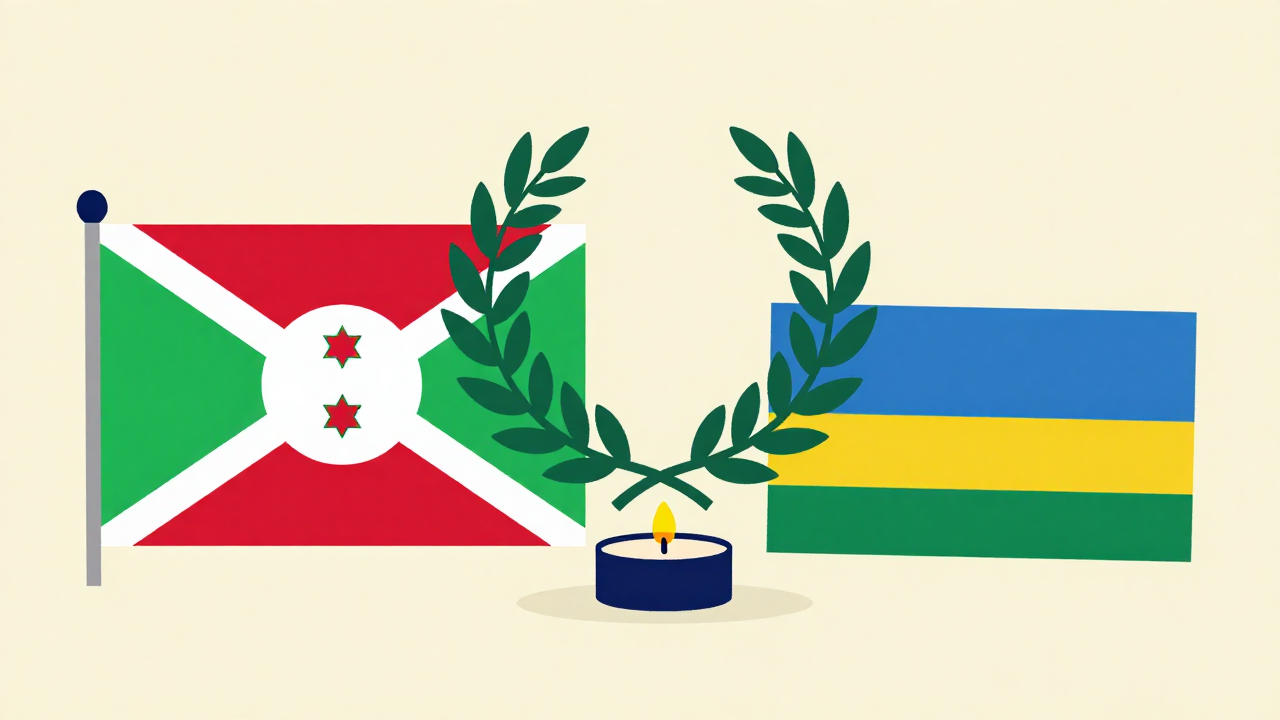
President Ntaryamira Day, observed on April 6, is a poignant occasion that honors the legacy of former Rwandan President Juvénal Habyarimana and his Burundian counterpart, Cyprien Ntaryamira. This day marks the anniversary of the tragic plane crash in 1994 that claimed their lives and served as a catalyst for the Rwandan Genocide, a devastating period in history that profoundly impacted the region and the world. By remembering this day, we reflect on the importance of peace, unity, and reconciliation in the face of adversity.
As communities come together on April 6, various activities and commemorations take place to promote awareness about the events that transpired and the lessons learned since then. Educational programs, discussions, and reflection moments are organized to honor the lives lost and encourage dialogue about preventing such atrocities in the future. President Ntaryamira Day serves not only as a remembrance but also as a reminder of the resilience of those who survived and the ongoing journey towards healing and understanding in Rwanda and beyond.
History
President Ntaryamira Day is observed annually on April 6 to commemorate the life and legacy of Juvénal Habyarimana's successor, President Cyprien Ntaryamira of Rwanda. This observance acknowledges the tragic events surrounding the Rwandan Genocide, which began shortly after his untimely death in 1994. Ntaryamira, who was in office for a brief period, served as a symbol of hope for peace in a nation that had been wracked by ethnic tensions between the Hutu and Tutsi populations.
The origins of President Ntaryamira Day can be traced back to the events of April 6, 1994, when the plane carrying Ntaryamira and Habyarimana was shot down near Kigali International Airport. This incident sparked a chain of violence that led to the genocide, resulting in the deaths of an estimated 800,000 Rwandans over the course of just 100 days. The observance serves as a reminder of the fragility of peace and the catastrophic consequences of ethnic division and hatred. By designating a day to remember Ntaryamira, Rwandans and the international community are encouraged to reflect on the lessons learned from this dark chapter in history.
Over time, President Ntaryamira Day has evolved from a day of mourning to one of reflection and education. Various organizations and institutions in Rwanda use this day to promote discussions about reconciliation, human rights, and the importance of preventing genocide. Efforts have been made to highlight narratives of unity and resilience among Rwandans, emphasizing the need for ongoing dialogue to heal the wounds inflicted by the genocide. Through educational programs, memorials, and community activities, the observance aims to foster a sense of collective memory that honors the victims while promoting a future of peace and understanding.
Culturally, President Ntaryamira Day holds significant importance as it not only memorializes the victims of the genocide but also emphasizes the importance of tolerance and coexistence. It serves as a day for Rwandans to come together to remember their shared past and work towards a more inclusive future. The observance is marked by various activities, including public speeches, community gatherings, and cultural performances that reinforce the values of peace and unity. By recognizing this day, Rwandans reaffirm their commitment to ensuring that such atrocities are never repeated, fostering a culture of remembrance and resilience that is vital for the nation’s ongoing reconciliation efforts.