Portugal Day
Portugal, United States, Canada, Brazil, France, Switzerland, Luxembourg, Australia
About
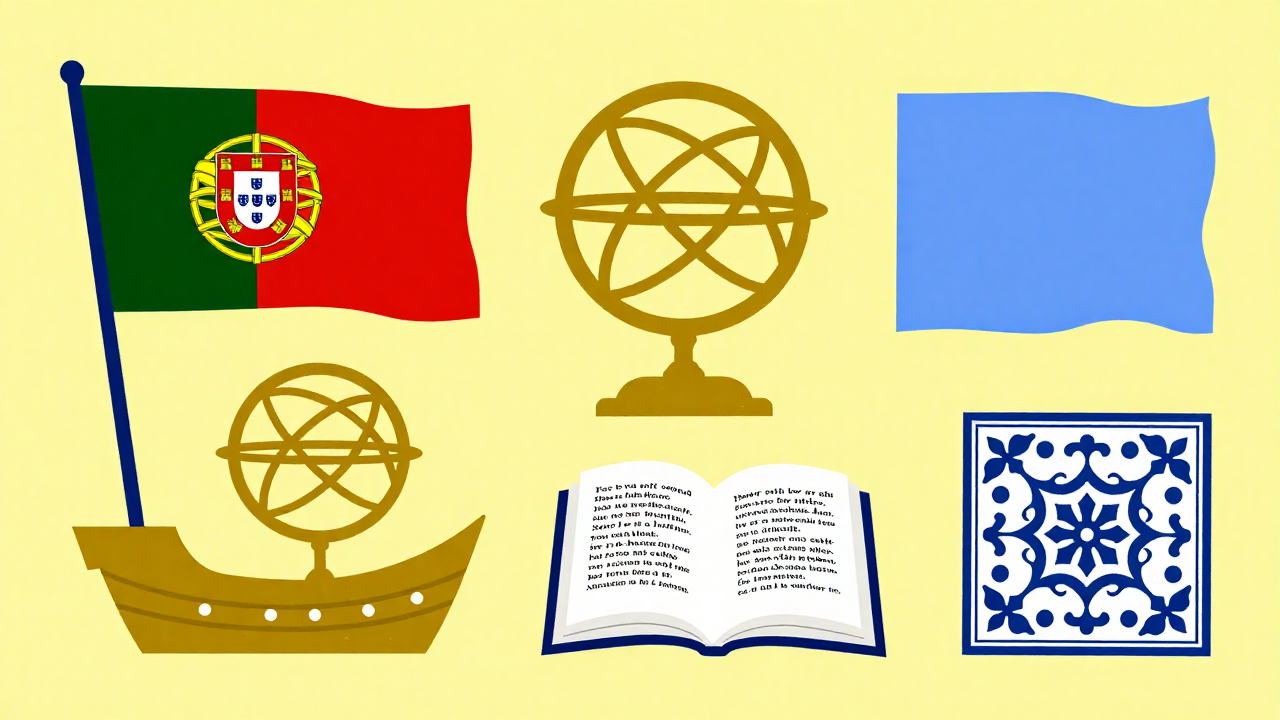
Portugal Day, celebrated on June 10, is a heartfelt tribute to the rich cultural heritage and enduring spirit of the Portuguese people. Known as "Dia de Portugal," this day commemorates the life and legacy of Luís de Camões, one of Portugal's greatest poets, who is renowned for his epic work, "Os Lusíadas." This literary masterpiece not only captures the essence of the Portuguese maritime explorations but also celebrates the country’s identity and resilience. As people across Portugal and in communities worldwide come together on this day, they reflect on their shared history and the contributions of the Portuguese to global culture.
Festivities on Portugal Day are vibrant, featuring parades, traditional music, and delicious culinary delights that showcase the country’s diverse flavors. From fado performances that evoke deep emotion to the joyful gatherings filled with laughter and camaraderie, the day is a wonderful opportunity for both Portuguese citizens and those of Portuguese descent to celebrate their heritage. Whether through attending local events or enjoying traditional dishes at home, everyone is invited to partake in the spirit of unity and pride that characterizes this special day. So, mark your calendars for June 10 and join in the celebration of Portugal's illustrious past and promising future!
History
Portugal Day, known as Dia de Portugal, de Camões e das Comunidades Portuguesas, is celebrated annually on June 10. This national holiday honors the contributions of the Portuguese people and their culture, particularly reflecting on the life and legacy of Luís de Camões, a renowned 16th-century poet who is often considered the greatest figure in Portuguese literature. Camões is most famous for his epic work, "Os Lusíadas," which celebrates the voyages of Portuguese explorers and serves as a symbol of national pride.
The origins of Portugal Day date back to the late 19th century. The initial observance was established in 1880 by the Portuguese community in the United States, where they sought to celebrate their heritage and identity. The choice of June 10 was significant, as it marked the death of Camões in 1580, a figure who encapsulated the spirit of exploration and the cultural richness of Portugal. Over time, the observance gained traction in Portugal itself, and in 1910, it was officially recognized as a national holiday following the establishment of the Portuguese Republic.
Throughout the years, Portugal Day has evolved into a day of national pride and reflection for Portuguese citizens both at home and abroad. The holiday has come to symbolize unity among the diverse Portuguese-speaking communities around the world. Celebrations often include parades, cultural events, and public ceremonies that showcase traditional music, dance, and cuisine. These festivities highlight the significant contributions of Portuguese culture to the wider world, from exploration and trade to art and literature.
Culturally, Portugal Day serves as an important reminder of the nation’s rich history and the global Portuguese diaspora. It is a day to celebrate not only national achievements but also the resilience and enduring spirit of the Portuguese people. As a day of remembrance and pride, it reinforces the connection among individuals of Portuguese descent, fostering a sense of belonging and community. Thus, June 10 stands as a significant date in the hearts of many, marking not only a celebration of Portuguese heritage but also a reflection on the shared journey of the Portuguese-speaking world.