Pop Art Day
United States, Canada, United Kingdom, Australia
About
Pop Art Day, celebrated on January 28, is a vibrant tribute to one of the most influential movements in contemporary art. Emerging in the mid-20th century, Pop Art challenged traditional boundaries by incorporating imagery from popular culture, such as advertising, comic books, and everyday objects. This bold and colorful art form, championed by iconic figures like Andy Warhol and Roy Lichtenstein, transformed the way we perceive art by blurring the lines between high and low culture. On this day, art enthusiasts and casual observers alike are encouraged to explore, appreciate, and create art that resonates with the spirit of pop culture.
Celebrating Pop Art Day is an invitation to immerse oneself in the playful and provocative world of pop art. Whether you visit a gallery, create your own piece inspired by the style, or simply engage in discussions about its impact, this day is about embracing creativity and self-expression. It’s a perfect opportunity to reflect on how pop art continues to influence modern design, advertising, and media, making it an essential part of our cultural landscape. So gather your friends, unleash your creativity, and dive into the colorful universe of Pop Art on January 28!
History
Pop Art Day is celebrated on January 28, a date that honors the vibrant and influential art movement known as Pop Art. This movement emerged in the mid-20th century and was characterized by its focus on popular culture, consumerism, and everyday imagery. Artists associated with Pop Art sought to challenge traditional boundaries of art by incorporating elements from advertising, comic books, and mass media into their work. The observance of Pop Art Day serves as a reflection on the significance of this movement, which has left an indelible mark on contemporary art and culture.
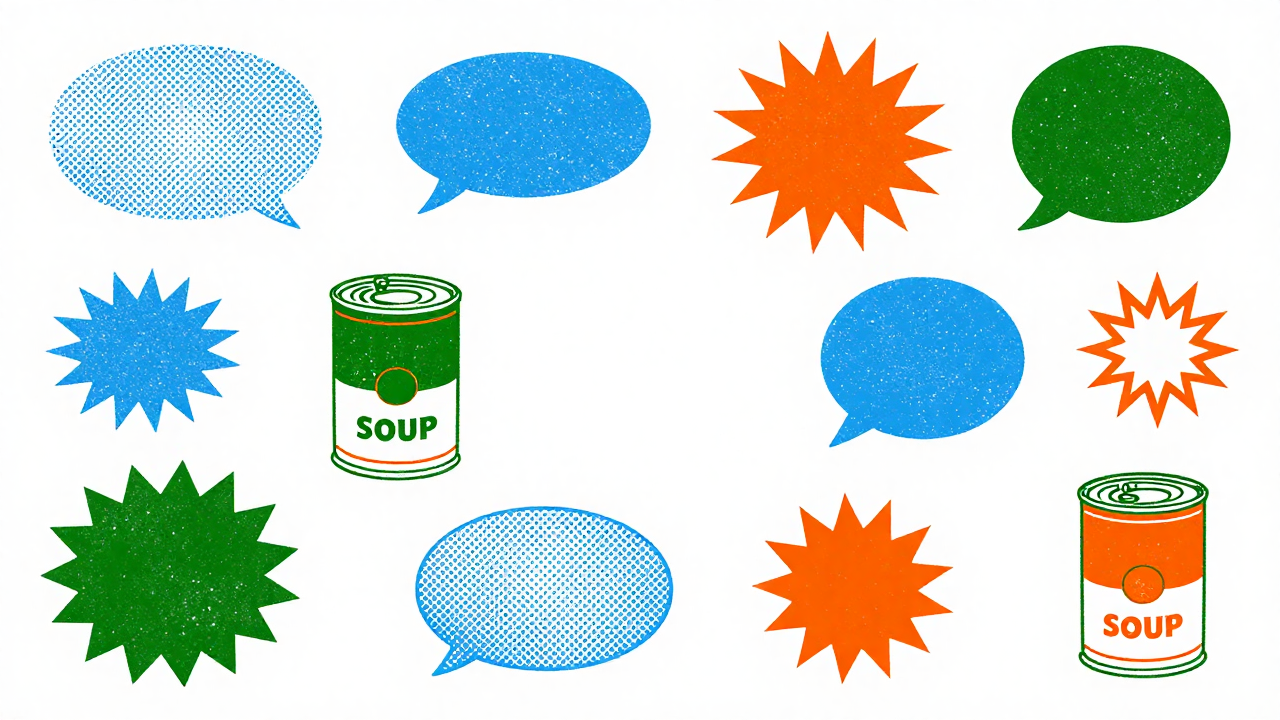
The origins of Pop Art can be traced back to the 1950s in both the United Kingdom and the United States. In the UK, artists like Richard Hamilton and Eduardo Paolozzi began to explore the relationship between art and consumer society, often using collage techniques that incorporated images from magazines and advertisements. Meanwhile, American artists such as Andy Warhol and Roy Lichtenstein took these ideas further, creating iconic works that blended fine art with commercial aesthetics. Warhol's Campbell's Soup Cans and Lichtenstein's comic strip-inspired paintings exemplify the movement's playful yet critical approach to mass culture.
As Pop Art gained popularity, it evolved into a significant cultural force throughout the 1960s and 1970s. The movement not only influenced visual art but also impacted fashion, music, and design. Notable exhibitions, such as "The American Supermarket" in 1964, showcased the interplay between art and commerce, allowing audiences to engage with art in novel ways. Over time, Pop Art's legacy continued to resonate, inspiring subsequent generations of artists and movements, including the Neo-Pop and Post-Pop Art movements that emerged in the late 20th and early 21st centuries.
The cultural significance of Pop Art Day lies in its recognition of the movement's role in redefining artistic expression and its commentary on consumer culture. Celebrating this day encourages a deeper appreciation for the ways in which art can both reflect and critique societal values. By engaging with the principles of Pop Art, individuals are invited to explore the connections between art, media, and identity, fostering a dialogue about the ongoing influence of popular culture in contemporary society. Thus, January 28 stands as a reminder of the creativity and innovation that Pop Art introduced to the world, inspiring both artists and audiences alike.