Polish Flag Day
Poland
About
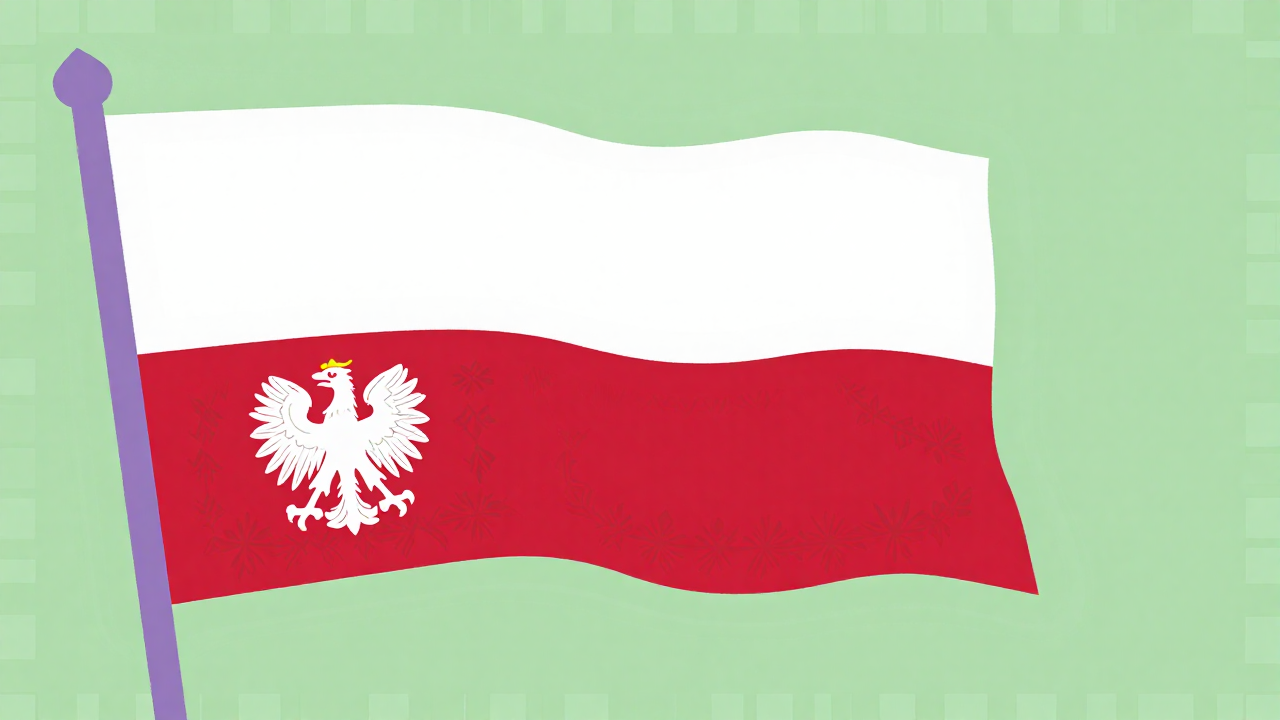
Polish Flag Day, celebrated on May 2, is a heartfelt observance that honors the national flag of Poland and the rich history it represents. This day serves as a reminder of Polish identity, culture, and pride, reflecting the resilience and spirit of the Polish people throughout history. The flag itself, with its striking red and white colors, symbolizes the blood shed by those who fought for Poland’s freedom and the purity of the nation’s aspirations.
On this day, communities across Poland and in Polish diaspora around the world come together to celebrate their heritage. Festivities often include flag-raising ceremonies, parades, and cultural events that showcase traditional music, dance, and cuisine. Families display the Polish flag outside their homes, creating a vibrant wave of red and white, and fostering a sense of unity and belonging. Polish Flag Day is not just about the colors of the flag; it is an opportunity for individuals to reflect on their national pride and the historical significance behind this emblem of freedom and hope.
History
Polish Flag Day, observed on May 2, has its roots deeply embedded in Poland's national identity and history. The day was officially established in 2004, though the significance of the Polish flag dates back centuries. The white and red colors of the flag symbolize the purity and courage of the Polish people, which can be traced to the coat of arms of the Polish state. The origins of the flag are linked to the 13th century when it was used in various forms during battles and state ceremonies, reflecting the nation's resilience and aspirations for sovereignty.
The observance of Polish Flag Day emerged from a growing desire to celebrate national pride and unity, particularly after Poland regained independence in 1918. Following World War II, the flag became a symbol of hope during a time of oppression under communist rule. As Poland transitioned to democracy in the late 20th century, the flag was embraced as a representation of freedom and national identity. The establishment of Polish Flag Day in 2004 not only formalized the recognition of the flag’s importance but also encouraged citizens to display it prominently, enhancing national pride across the country.
Culturally, Polish Flag Day serves as a moment of reflection on the country's history and values. It is a day when Poles are encouraged to celebrate their heritage, with many citizens displaying the national flag at homes, businesses, and public spaces. Various festivities and educational events, often organized by local communities, highlight the significance of the flag and what it represents for the Polish people. This observance fosters a sense of unity among citizens, reminding them of their shared history and the sacrifices made for their independence and sovereignty.
Overall, Polish Flag Day, observed on May 2, stands as a powerful reminder of Poland's journey through adversity to freedom. The day not only honors the national flag but also serves as an opportunity for Poles to come together in celebration of their culture, history, and the values that unite them as a nation. As it continues to evolve, Polish Flag Day remains a significant observance that reinforces the importance of national identity in a modern context.