Plough Monday
United Kingdom
About
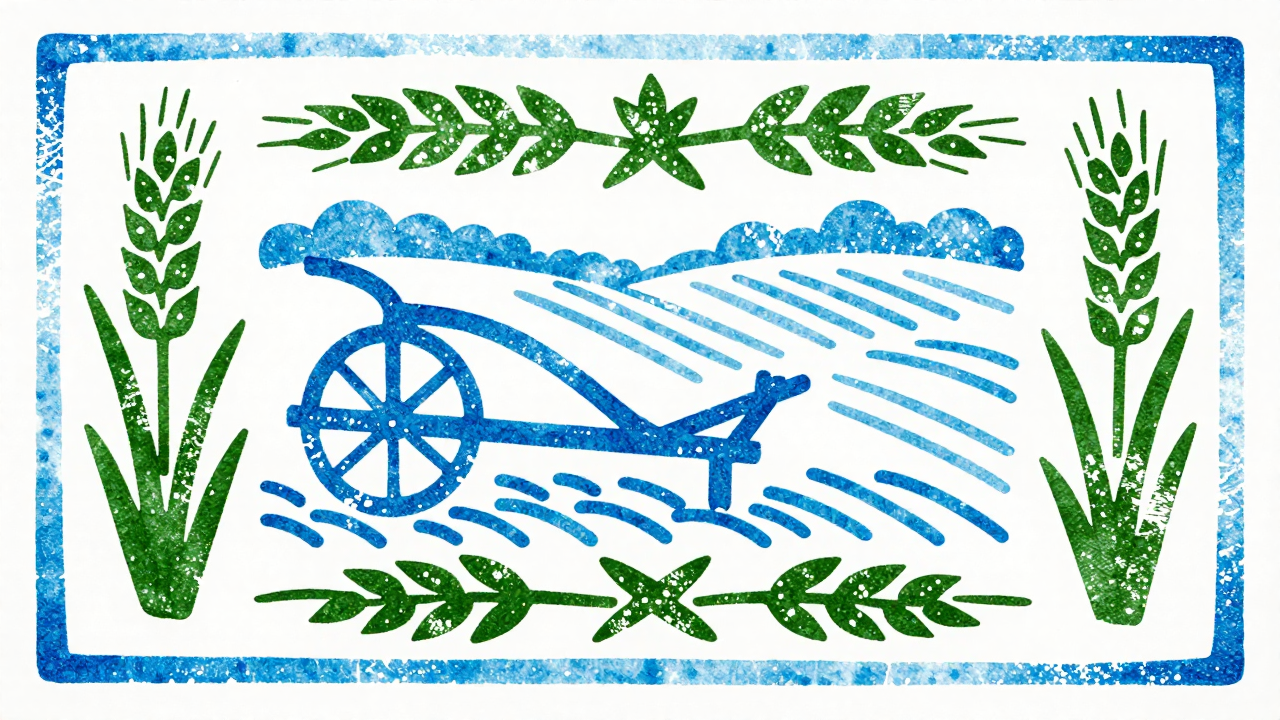
Plough Monday, celebrated on January 11, marks the traditional start of the agricultural year in many rural communities across England. This lively observance is a charming nod to the days when farming was at the heart of local life, and it signifies the time when plowing and planting would commence after the winter break. As the chill of winter begins to fade, communities come together to embrace the spirit of renewal and hard work that agriculture embodies.
On Plough Monday, it was customary for farmers and their laborers to dust off their plows and prepare for the busy season ahead. The day often featured vibrant processions, where decorated plows would be paraded through the streets, accompanied by merry music and lively dancing. People would also engage in playful traditions, such as “ploughing” through local orchards to bless the land for a fruitful harvest. This endearing celebration not only highlights the importance of agriculture but also fosters a sense of community and gratitude for the land that sustains us. So, on January 11, take a moment to reflect on the beautiful cycle of planting and harvest that connects us all to the earth.
History
Plough Monday, observed on January 11, has its roots in the agricultural traditions of medieval England. The name refers to the day when ploughing would resume after the Christmas season, marking the end of the festive period and the return to work in the fields. This observance was particularly significant in rural communities, where farming was the backbone of the economy. Traditionally, farmers would bring their ploughs into the village, often decorated with greenery, and participate in various festivities, signaling the start of the agricultural year.
The history of Plough Monday can be traced back to the 15th century, although it was likely celebrated even earlier in some form. As a way to encourage productivity and community spirit, local customs included ploughing competitions, morris dancing, and the playful act of "ploughing" through the streets while demanding donations from onlookers for a festive celebration. These activities not only reinforced community bonds but also served as a form of entertainment during the winter months when farming was less demanding.
Over the centuries, Plough Monday has evolved, reflecting changes in agricultural practices and societal norms. By the 19th century, as industrialization took hold and many left rural life for urban jobs, the observance began to decline. However, it maintained a nostalgic charm, with some villages reviving it as a way to celebrate their agricultural heritage. In contemporary times, Plough Monday has seen a resurgence in interest among traditionalists and rural communities aiming to preserve their cultural identities.
Culturally, Plough Monday holds significance as a reminder of the agricultural roots that shaped much of England's history. It serves as an occasion for communities to come together, celebrate their heritage, and reflect on the importance of farming in sustaining livelihoods. With modern movements toward sustainable agriculture and local produce, Plough Monday can also be viewed as a timely reminder of the intertwined relationship between community and the land, emphasizing respect for nature and the cycles of the seasons as observed on January 11.