Pesach Sheni
Israel, United States, Canada, United Kingdom, Australia
About
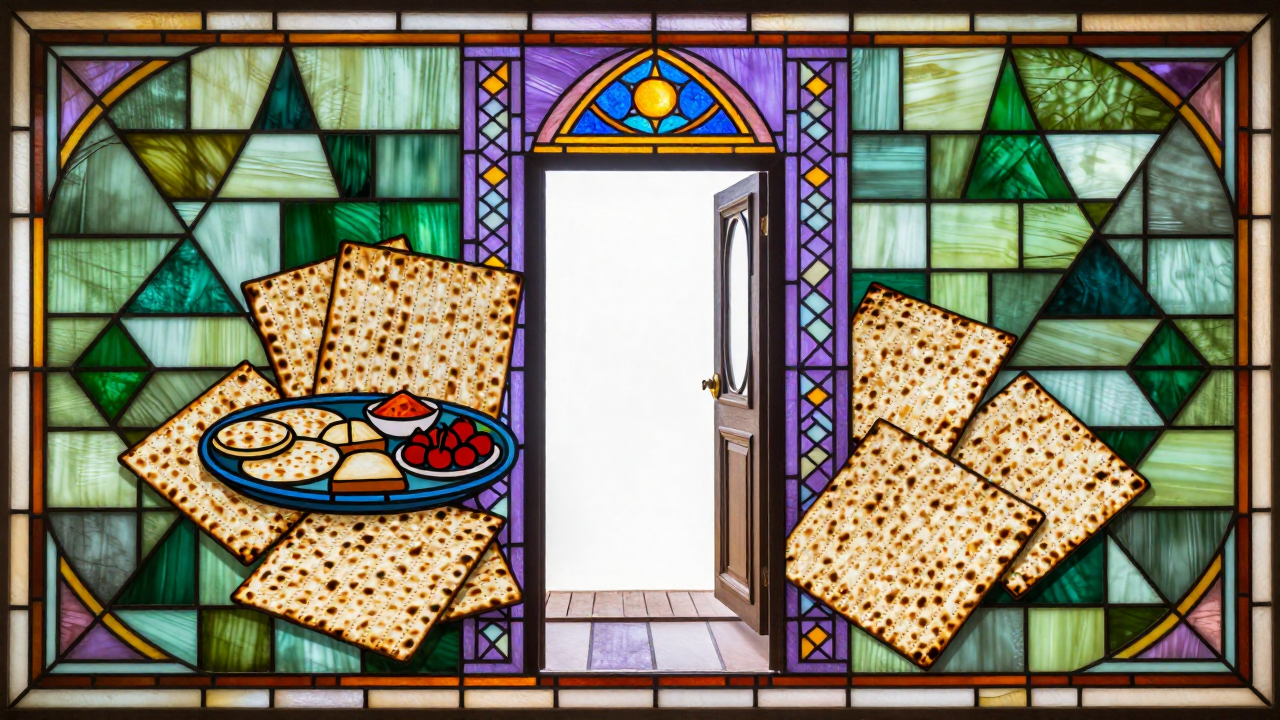
Pesach Sheni, observed on May 20, is a beautiful and meaningful day in the Jewish calendar that highlights the themes of second chances and inclusivity. Known as the "Second Passover," this observance offers individuals who were unable to participate in the original Passover celebration a unique opportunity to come together in remembrance and reflection. The roots of Pesach Sheni trace back to the biblical narrative, where a group of people approached Moses, expressing their sorrow for missing the Passover sacrifice. In response, a second opportunity was granted, allowing them to partake in the traditions and rituals they had missed.
This observance encourages a sense of community and connection, reminding us that it’s never too late to engage in meaningful practices and to gather with loved ones. Families and friends often commemorate Pesach Sheni by sharing festive meals, recounting the story of the original Passover, and expressing gratitude for the chance to reconnect with their heritage. As May 20 approaches, many will reflect not only on the lessons of resilience and unity but also on the joy found in coming together to celebrate their shared history and values.
History
Pesach Sheni, also known as the "Second Passover," is observed on May 20 and has its origins rooted in biblical history. According to the Torah, Pesach Sheni was instituted after a group of Israelites were unable to participate in the original Passover (Pesach) due to ritual impurity. This event is described in the Book of Numbers (Numbers 9:6-14), where these individuals approached Moses to express their concern. In response, God commanded that a second Passover be celebrated one month later, on the 14th day of the Hebrew month of Iyar, allowing those who were unable to partake in the first observance to fulfill their religious obligations.
Over time, Pesach Sheni evolved from a specific commandment into a broader observance that emphasizes themes of inclusion and second chances. While the initial celebration was focused on those who were ritually impure, it has come to symbolize the idea that everyone has the opportunity to engage in religious practices, regardless of past circumstances. This evolution reflects a deepening understanding of community and the importance of accessibility within Jewish traditions.
Culturally, Pesach Sheni holds significant meaning in Jewish life. The holiday serves as a reminder of God's compassion and understanding, highlighting the importance of ensuring that all members of the community can participate in sacred rituals. While it is not observed with the same level of prominence as the original Passover, Pesach Sheni is still marked by some Jewish communities through the recitation of special prayers and the sharing of meals. This observance reinforces a sense of collective identity and unity among those who celebrate it, fostering connections across generations.
As Pesach Sheni is observed on May 20, it provides an opportunity for reflection on the values of forgiveness, community, and the belief that everyone deserves a second chance. Its historical roots and cultural significance continue to resonate within Jewish tradition, reminding practitioners of their shared heritage and the enduring relevance of inclusion in religious life.