Pentecost
Germany, France, United Kingdom, Netherlands, Sweden, Norway, Finland, Austria, Switzerland, Belgium, South Africa, Australia, New Zealand
About
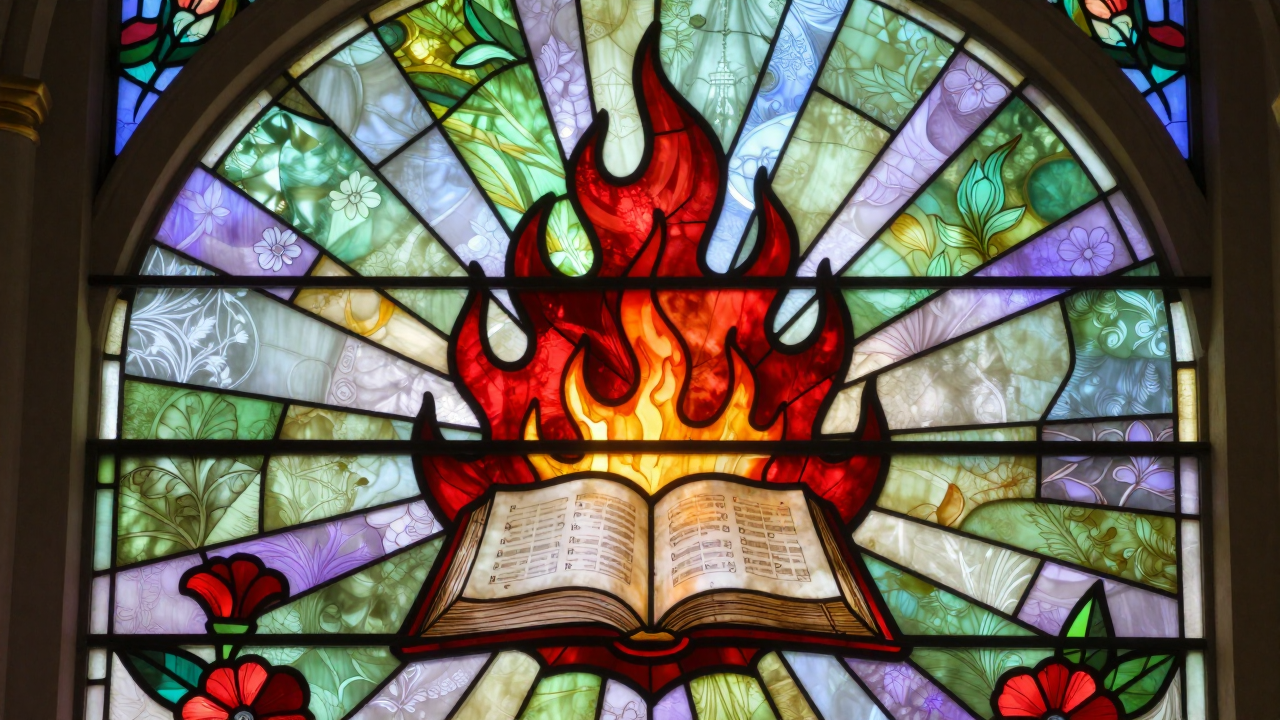
Pentecost, observed on May 16, is a significant celebration in the Christian calendar that commemorates the descent of the Holy Spirit upon the apostles, marking the birth of the Church. This event, which occurred fifty days after Easter, is a time for believers to reflect on the profound impact of the Holy Spirit and the empowerment it brings to share the message of love, hope, and redemption. Traditionally, churches around the world hold special services, often adorned with vibrant red decorations symbolizing the flames of the Holy Spirit, creating an atmosphere of joy and unity among congregants.
The day is not only about remembrance but also about renewal and inspiration. Many Christians take this opportunity to engage in community service, fostering connections and spreading kindness in their neighborhoods. As families gather for meals and fellowship, the essence of Pentecost is felt deeply in the shared experiences and collective prayers. Whether through a quiet moment of reflection or a lively church gathering, Pentecost on May 16 invites everyone to celebrate the gift of the Holy Spirit and the communal spirit that binds together believers in faith and purpose.
History
Pentecost, observed on May 16, is a significant Christian holiday that commemorates the descent of the Holy Spirit upon the apostles and other followers of Jesus Christ, as recorded in the New Testament book of Acts (Acts 2). This event occurred 50 days after Easter, marking the conclusion of the Easter season. The term "Pentecost" comes from the Greek word "pentekostos," meaning "fiftieth," reflecting its timing in relation to the Jewish Feast of Weeks, or Shavuot, which takes place 50 days after Passover. Pentecost is often considered the "birthday" of the Church, as it was on this day that the apostles were empowered to begin their ministry and spread the teachings of Jesus.
Historically, Pentecost has roots in ancient Jewish traditions, where it was celebrated as a harvest festival and a time to give thanks for the first fruits of the harvest. The early Christians adopted this festival and infused it with new meaning following the resurrection of Jesus. Over time, the observance of Pentecost evolved from a Jewish agricultural celebration into a pivotal event in Christian theology, reinforcing the belief in the Holy Spirit's active presence in the world. The day became a key part of the liturgical calendar, with special prayers, readings, and hymns dedicated to the Holy Spirit's role in the life of the Church.
Culturally, Pentecost holds immense significance within various Christian denominations. It is a day marked by ceremonies, confirmations, and communal gatherings, where congregations come together to celebrate the gifts of the Holy Spirit—wisdom, understanding, counsel, fortitude, knowledge, piety, and fear of the Lord. Many communities observe this day with vibrant festivities, including the use of red vestments and decorations symbolizing the flames of the Holy Spirit. In some traditions, the day is also associated with the theme of unity, as the apostles were empowered to speak in different tongues, signifying the universal nature of the Christian message.
As Pentecost continues to be celebrated annually on May 16, it remains a vital observance within Christianity, symbolizing not only the empowerment of the early Church but also the ongoing work of the Holy Spirit in the lives of believers today. The growth and adaptation of this holiday reflect the dynamic nature of Christian faith, embodying both historical roots and contemporary relevance within the global Christian community.