

Religious Week
Passion Week
A week that starts on March 21 every year. Next: in 131 days
What it’s about
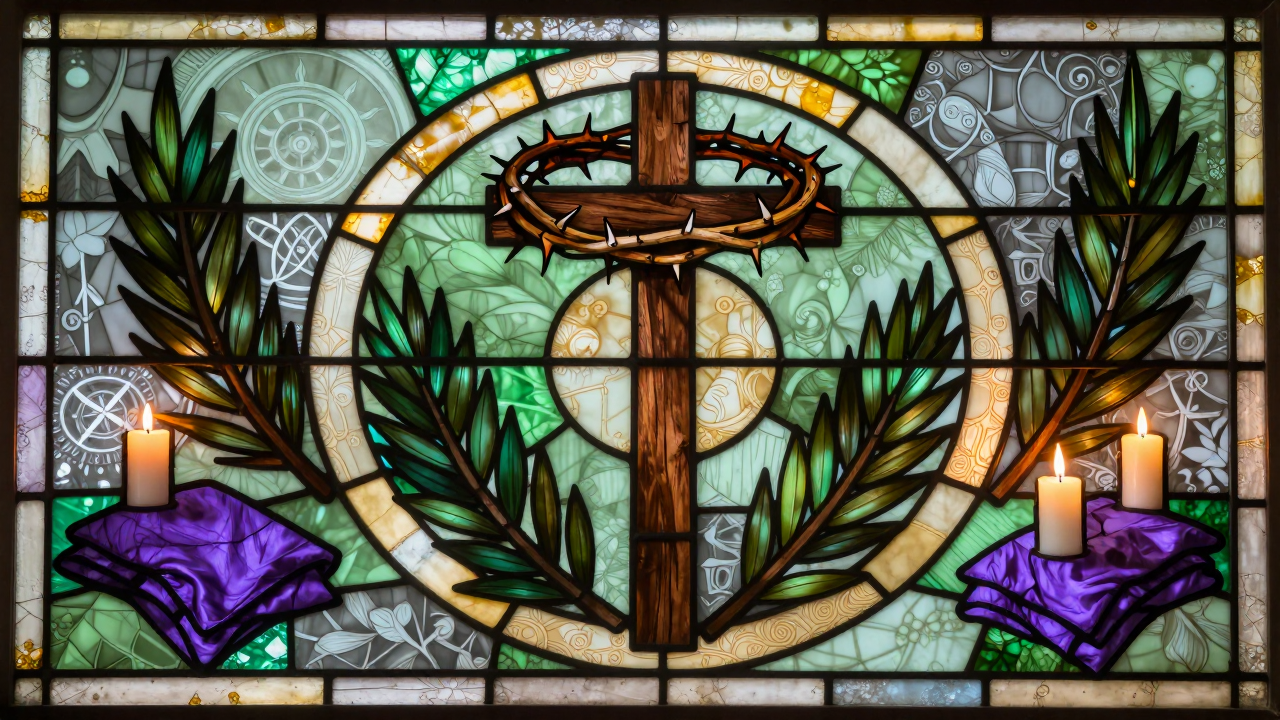
Passion Week is a significant observance that unfolds during a week in March, inviting reflection, devotion, and community connection. This week is dedicated to commemorating the passion of Christ, a time when many people engage in deep spiritual reflection and participate in various religious activities. It serves as a moment for individuals and communities to come together, sharing in the teachings and sacrifices that are central to their faith. The observance encourages not only personal introspection but also the strengthening of bonds within congregations and families.
During Passion Week, many participate in special services, prayer meetings, and rituals that honor the events leading up to Easter. From solemn reflections to uplifting gatherings, this week offers a space for believers to explore themes of love, sacrifice, and redemption. It's a time to not only remember the trials faced but also to celebrate the hope and renewal that follows. Whether through attending church services, engaging in community outreach, or simply gathering with loved ones for shared moments of prayer, Passion Week fosters a spirit of unity and devotion that resonates deeply with many.
A little history
Passion Week, observed during a week in March, holds significant meaning within the Christian tradition, marking the final week of Lent and leading up to Easter Sunday. Its origins can be traced back to the early Christian church, where it was established as a time to reflect on the suffering and crucifixion of Jesus Christ. The observance serves to commemorate the events leading to the Passion of Christ, which includes significant moments such as the Last Supper, the arrest of Jesus, his trial, and ultimately, his crucifixion. These events are foundational to the Christian faith, symbolizing sacrifice, redemption, and the promise of resurrection.
Throughout history, Passion Week has evolved in its observance and significance. In the early centuries of Christianity, the week was marked by fasting, prayer, and reflection. As the church grew, specific liturgical practices began to emerge. By the fourth century, the traditions surrounding Passion Week had become more formalized, with distinct services and ceremonies dedicated to each day of the week. This period saw the introduction of Holy Week traditions, such as the observance of Palm Sunday, Maundy Thursday, Good Friday, and Holy Saturday, each with its own unique rituals and significance.
The cultural significance of Passion Week extends beyond religious observance, as it influences various facets of art, music, and literature. In many Christian communities around the world, Passion Week is a time for communal gatherings, where believers come together for worship services, reenactments, and processions that reflect on the suffering of Christ. This week is often a transformative period, encouraging self-examination and a deeper understanding of the Christian narrative of sacrifice and hope.
As societies have changed, so too has the expression of Passion Week. In contemporary times, many communities incorporate modern interpretations of the events, blending traditional practices with contemporary worship styles. This observance continues to resonate with believers, providing a space for reflection, mourning, and ultimately, the anticipation of the joy that follows with the celebration of Easter. The enduring nature of Passion Week underscores its vital role in the Christian calendar, serving as a poignant reminder of faith, sacrifice, and redemption throughout the centuries.
Timeline
- 30
The crucifixion of Jesus Christ, which is central to Passion Week, is believed to have occurred around this year.
- 33
The resurrection of Jesus Christ, celebrated during Passion Week, is traditionally dated to this year.
- 325
The First Council of Nicaea established the date for Easter, which is closely tied to the events of Passion Week.
- 496
Clovis I, the King of the Franks, was baptized, marking the spread of Christianity in Europe and the significance of Passion Week celebrations.
- 1054
The Great Schism between the Eastern Orthodox and Roman Catholic Churches impacted the observance of Passion Week and Easter.
- 1517
Martin Luther's Ninety-Five Theses sparked the Protestant Reformation, leading to different interpretations and observances of Passion Week.
- 1969
The Roman Catholic Church revised the liturgical calendar and the observance of Passion Week to reflect contemporary practices.
Other weeks starting March 21
-
 American Chocolate Week
Just for fun
-
 Holy Week
Religious
-

-
 National Animal Poison Prevention Week
Awareness
-
 National Anonymous Giving Week
Awareness
-
 National Bubble Week
Just for fun
More like this
 Just for fun
Adopt a Rescued Bird Month
January is a time for new beginnings, and what better way to embrace the spirit of renewal than by celebrating Adopt a Rescued Bird Month? This special observance shines a…
 Just for fun
Apple and Apricot Month
Apple and Apricot Month, celebrated on January 1, is a delightful homage to two of nature's most beloved fruits. As the New Year dawns, this month invites us to embrace the…
 Awareness
Apple Gifting Day
Apple Gifting Day, celebrated on January 1st, invites individuals and families to begin the new year with a sweet and wholesome tradition that symbolizes health, friendship, and…