

Religious Week
Holy Week
A week that starts on March 21 every year. Next: in 131 days
What it’s about
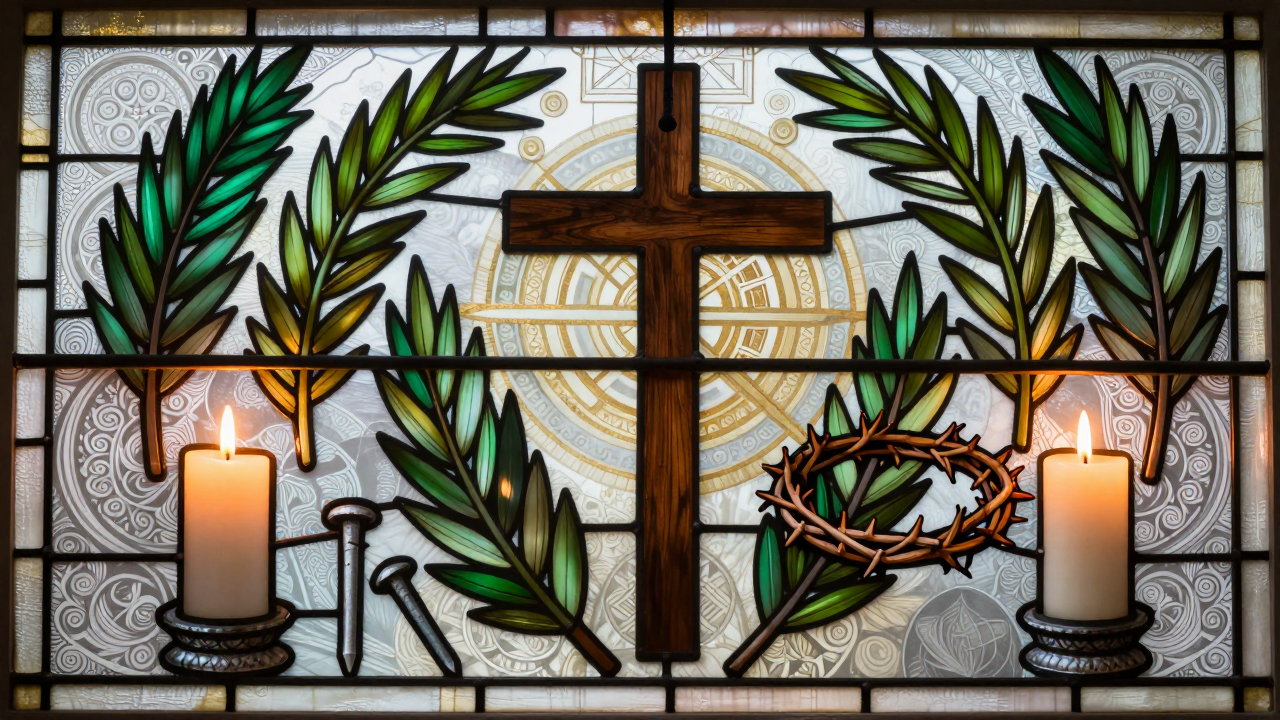
Holy Week is a deeply significant time in the Christian calendar, observed during a week in March. This sacred week commemorates the final days of Jesus Christ's life, leading up to his crucifixion and resurrection. It serves as a powerful reminder of sacrifice, redemption, and the profound love that is central to the Christian faith. The week is filled with various religious observances, each offering its own unique way to reflect on the events that shaped Christianity.
As Holy Week unfolds, it encapsulates important days such as Palm Sunday, which celebrates Jesus' triumphant entry into Jerusalem, and Good Friday, when the crucifixion is solemnly remembered. Each day is marked by special services, prayers, and rituals that invite participants to engage with the themes of hope, sorrow, and renewal. The culmination of Holy Week is Easter Sunday, a joyous celebration of resurrection and new beginnings. For many, this week is not just a time for reflection, but also an opportunity to connect with community, family, and faith, making it a cherished period of spiritual significance and personal growth.
A little history
Holy Week is a significant observance in the Christian liturgical calendar, commemorating the final week of Jesus Christ's life, his crucifixion, and resurrection. Traditionally observed in March, this week encapsulates the profound events leading up to Easter Sunday, which celebrates Christ's resurrection. The origins of Holy Week can be traced back to the early Christian communities, who began to commemorate the Passion of Christ shortly after the events occurred, with some of the first recorded observances dating back to the 2nd century. By the 4th century, as Christianity gained prominence within the Roman Empire, the observance became more formalized, with specific days dedicated to each significant event.
As Holy Week evolved, various traditions and rituals emerged within different Christian denominations. The week begins with Palm Sunday, which commemorates Jesus' triumphant entry into Jerusalem, celebrated with the blessing of palm branches. This day marks the beginning of the most solemn period in the Christian liturgical calendar, leading to Maundy Thursday, which observes the Last Supper, and Good Friday, which recalls Christ's crucifixion. By the Middle Ages, liturgical practices during Holy Week became elaborate, with the inclusion of processions, reenactments, and specific readings from the Gospels, enhancing the spiritual experience for the faithful.
Culturally, Holy Week holds deep significance across various Christian communities worldwide. It has inspired a rich tapestry of artistic expressions, including music, literature, and visual arts. In many cultures, local customs and traditions have woven into the observance, such as Semana Santa in Spain, where elaborate processions take place, and unique culinary traditions emerge. In Latin America, vibrant celebrations often include reenactments of the Passion and communal gatherings, reflecting the deep-rooted importance of the week in local culture and identity.
The observance of Holy Week continues to resonate with Christians today, serving as a time for reflection, penance, and spiritual renewal. It invites the faithful to engage with the core tenets of their faith, emphasizing themes of sacrifice, redemption, and resurrection. As communities come together to commemorate these pivotal events in Christianity, Holy Week remains a powerful reminder of the enduring legacy of Christ's teachings and the hope of new life that Easter represents.
Timeline
- c. 30 CE
The crucifixion of Jesus Christ, a pivotal event commemorated during Holy Week, is believed to have occurred around this time.
- 325
The First Council of Nicaea established the date of Easter, which is central to Holy Week observances.
- 1054
The Great Schism between the Eastern Orthodox and Roman Catholic Churches affected the observance of Holy Week among different Christian traditions.
- 1969
Pope Paul VI revised the Roman Missal, leading to significant changes in the liturgical practices of Holy Week.
- 2019
Pope Francis led a series of services during Holy Week that focused on themes of mercy and compassion, reflecting contemporary concerns.
Other weeks starting March 21
-
 American Chocolate Week
Just for fun
-

-
 National Animal Poison Prevention Week
Awareness
-
 National Anonymous Giving Week
Awareness
-
 National Bubble Week
Just for fun
-
 National Clean Out Your Closet Week
Just for fun
More like this
 Just for fun
Adopt a Rescued Bird Month
January is a time for new beginnings, and what better way to embrace the spirit of renewal than by celebrating Adopt a Rescued Bird Month? This special observance shines a…
 Just for fun
Apple and Apricot Month
Apple and Apricot Month, celebrated on January 1, is a delightful homage to two of nature's most beloved fruits. As the New Year dawns, this month invites us to embrace the…
 Awareness
Apple Gifting Day
Apple Gifting Day, celebrated on January 1st, invites individuals and families to begin the new year with a sweet and wholesome tradition that symbolizes health, friendship, and…