Panama's Martyrs' Day
Panama
About
Panama's Martyrs' Day, observed each year on January 9, is a poignant occasion that commemorates the brave souls who lost their lives in the struggle for sovereignty and independence. This day serves as a powerful reminder of the sacrifices made during the turbulent times of the 1960s, particularly linked to the tensions surrounding the Panama Canal and the quest for national dignity. The observance not only honors those martyrs but also reflects the resilience and unity of the Panamanian people in their pursuit of freedom.
On this significant day, citizens across Panama participate in various ceremonies and events, including memorials and parades that celebrate their national identity. Schools often hold educational programs to teach younger generations about the historical context and the importance of those who fought for their rights. Panama's Martyrs' Day is not just a moment of remembrance; it’s also a time for reflection on the values of courage, sacrifice, and the enduring spirit of independence that continue to shape the nation.
History
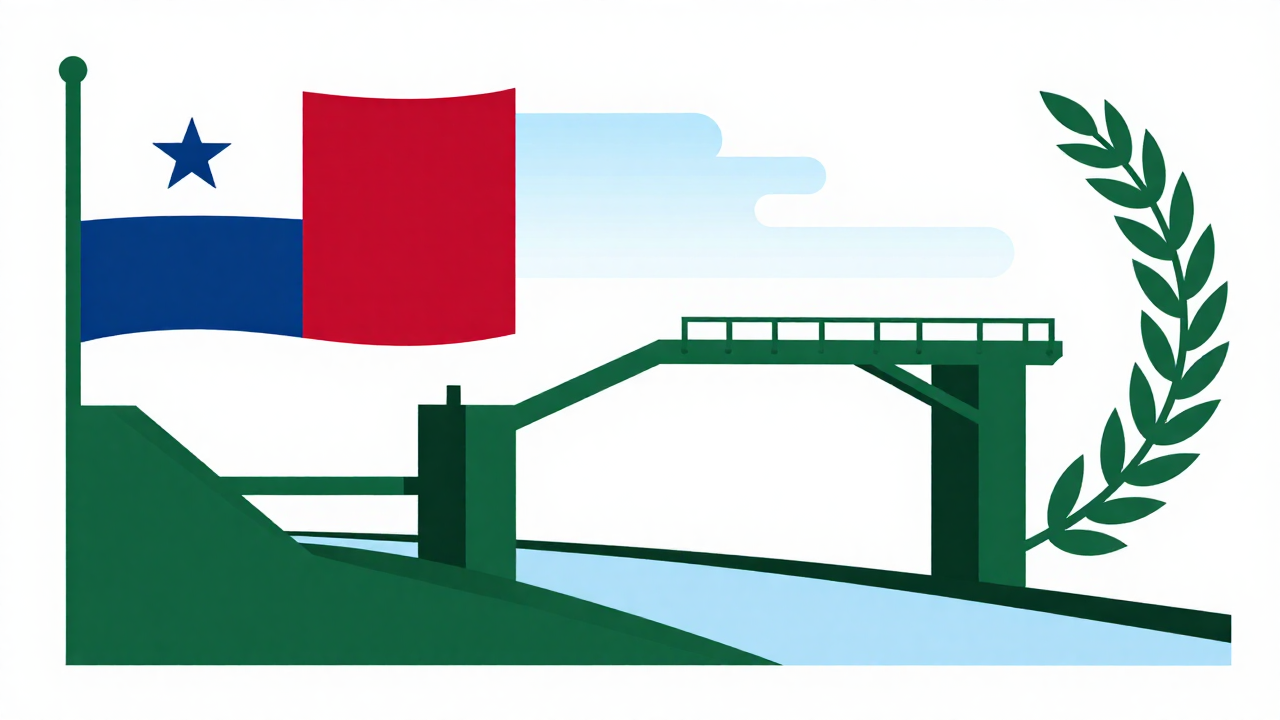
Panama's Martyrs' Day is observed annually on January 9, commemorating the events of January 9, 1964, when a series of protests erupted in Panama City over the U.S. control of the Panama Canal and the treatment of the Panamanian flag. This day marks a significant turning point in Panamanian history, as it symbolizes the struggle for national sovereignty and the desire for recognition of the nation’s identity. During the protests, a group of Panamanian students raised their flag at the Canal Zone, leading to a violent confrontation with U.S. military personnel, resulting in the deaths of several Panamanian citizens.
The origins of Panama's Martyrs' Day are deeply rooted in the socio-political context of the early 20th century, particularly in the relationship between Panama and the United States. After Panama gained independence from Colombia in 1903, the U.S. secured control over the Panama Canal Zone, leading to tensions and a sense of grievance among Panamanians. The events of January 9, 1964, were not an isolated incident but rather the culmination of decades of frustration regarding the perceived inequities of U.S. dominance in the region.
Over the years, Panama's Martyrs' Day has evolved from a day of remembrance into a national day of reflection on the country’s fight for sovereignty and identity. The observance serves as both a tribute to those who lost their lives during the protests and a reminder of the ongoing struggles faced by Panamanians in asserting their rights. Schools, government institutions, and citizens participate in various activities, including ceremonies, parades, and discussions aimed at fostering national pride and unity.
Culturally, Martyrs' Day holds significant importance in Panama, as it not only honors the individuals who sacrificed their lives but also reinforces the collective memory of the nation’s quest for independence and self-determination. It serves as a powerful reminder of the importance of civic engagement and the role of youth in advocating for their rights. As Panama continues to navigate its identity in a globalized world, January 9 stands as a poignant symbol of resilience and the enduring spirit of the Panamanian people.