Pahili Day
India, Nepal
About
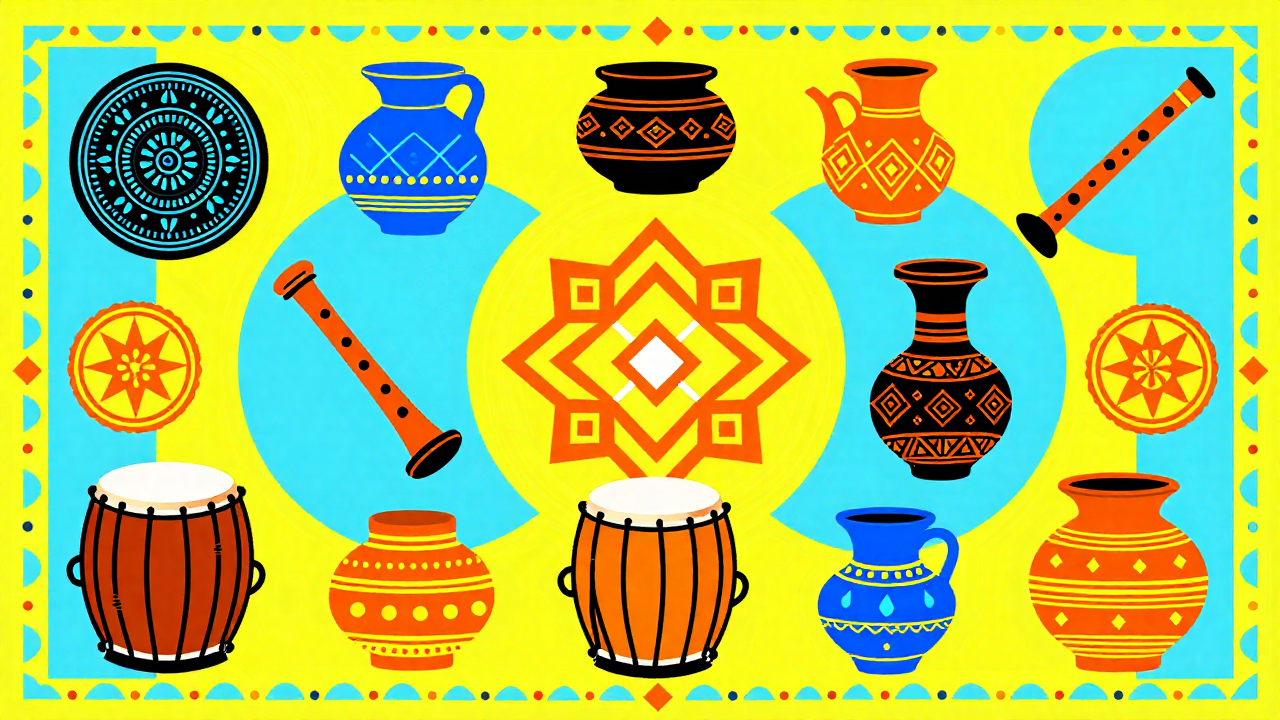
Pahili Day, celebrated on June 14, is a vibrant and joyous observance that highlights the rich cultural heritage of the Pahili people. This day serves as a wonderful opportunity for communities to come together, honoring their traditions and celebrating their shared history. The festivities often include lively music, traditional dances, and a showcase of local crafts, allowing participants to immerse themselves in the colorful tapestry of Pahili culture.
On this special day, families and friends gather to share delicious meals that reflect the culinary delights of the region, fostering a sense of unity and belonging. Pahili Day is not just about celebration; it is also a time for storytelling and passing down customs from one generation to the next. As June 14 rolls around each year, the spirit of Pahili Day encourages everyone to appreciate their roots and the diverse cultures that make our world so beautifully intricate.
History
Pahili Day, observed annually on June 14, has its roots in the rich tapestry of cultural celebrations that honor community spirit and the natural world. The term "Pahili" derives from the local dialect, meaning "to start anew" or "to rejuvenate," which reflects the day’s emphasis on renewal and reflection. This observance is particularly significant in regions where agricultural practices and community bonds play a vital role in daily life, making it a time for people to come together, celebrate their heritage, and engage in communal activities.
Historically, Pahili Day originated as a seasonal festival linked to the end of the harvest cycle. As communities gathered to celebrate the bounty of the earth, they also took the opportunity to give thanks for the year’s yield and to prepare for the next planting season. Over time, this observance evolved, incorporating various local customs, music, dance, and traditional culinary practices. The festival became a platform for storytelling, where elders passed down folklore and wisdom, ensuring the continuity of cultural traditions within the community.
The cultural significance of Pahili Day extends beyond mere celebration; it embodies the values of unity, gratitude, and environmental stewardship. As participants engage in activities such as planting trees, cleaning communal spaces, or hosting potluck meals, they reinforce the importance of caring for their surroundings and supporting one another. This has fostered a sense of identity and pride among communities, allowing them to connect with their cultural heritage and with each other.
In contemporary observances, Pahili Day serves as a reminder of the importance of sustainability and community resilience. While the core values remain intact, modern celebrations often include educational workshops, art fairs, and local markets that showcase handmade crafts and produce. This evolution reflects a blending of tradition with contemporary practices, ensuring that Pahili Day remains relevant to new generations while honoring its historical roots. Through these ongoing adaptations, the observance continues to thrive, making June 14 a meaningful day for many who seek to embrace their cultural identities and foster community ties.