Orthodox Good Friday
Greece, Russia, Serbia, Bulgaria, Romania, Georgia, Cyprus, Ukraine, Moldova, Ethiopia
About
Orthodox Good Friday, observed on April 30, is a deeply significant day in the Eastern Orthodox Christian calendar, marking the solemn remembrance of the crucifixion of Jesus Christ. This day is part of Holy Week, a sacred period leading up to Easter, where believers reflect on the passion and sacrifice of Christ. As the faithful gather in churches adorned with darkened altars and somber decorations, the atmosphere is filled with a profound sense of reverence and contemplation. Services often include the reading of Gospel passages that recount the events of Christ's passion, inviting worshippers to engage in deep spiritual reflection.
Traditionally, Orthodox Good Friday is a day of fasting and mourning, symbolizing the weight of loss felt by the disciples and followers of Jesus. Many adherents participate in processions and rituals that emphasize the themes of sacrifice, love, and redemption. As the day unfolds, the faithful prepare for the joyous celebration of the Resurrection, which follows on Easter Sunday. The observance of Orthodox Good Friday on April 30 serves not only as a reminder of the trials faced by Christ but also as an opportunity for believers to renew their faith and hope in the promise of new life. It is a day marked by both sorrow and anticipation, uniting communities in shared beliefs and traditions.
History
Orthodox Good Friday, observed on April 30, is a significant day in the Eastern Orthodox Christian tradition, marking the crucifixion and death of Jesus Christ. This solemn observance is part of Holy Week, which culminates in the celebration of Pascha (Easter). The origins of Orthodox Good Friday can be traced back to the early Christian community, where the events of Christ's Passion were commemorated through fasting, prayer, and liturgical services. The specific observance of Good Friday developed as the Church established a structured liturgical calendar, allowing the faithful to reflect on the sacrifice of Jesus.
Over the centuries, the observance of Orthodox Good Friday has evolved, incorporating various customs and practices that differ from those in Western Christianity. In many Orthodox communities, the day is characterized by a strict fast, where believers refrain from consuming any food or drink until after the evening services. The liturgy often includes the reading of the Passion narratives from the Gospels, emphasizing the suffering and death of Christ. The veneration of the cross is a central element of the day, with many congregations participating in processions and other rituals that highlight the significance of the crucifixion.
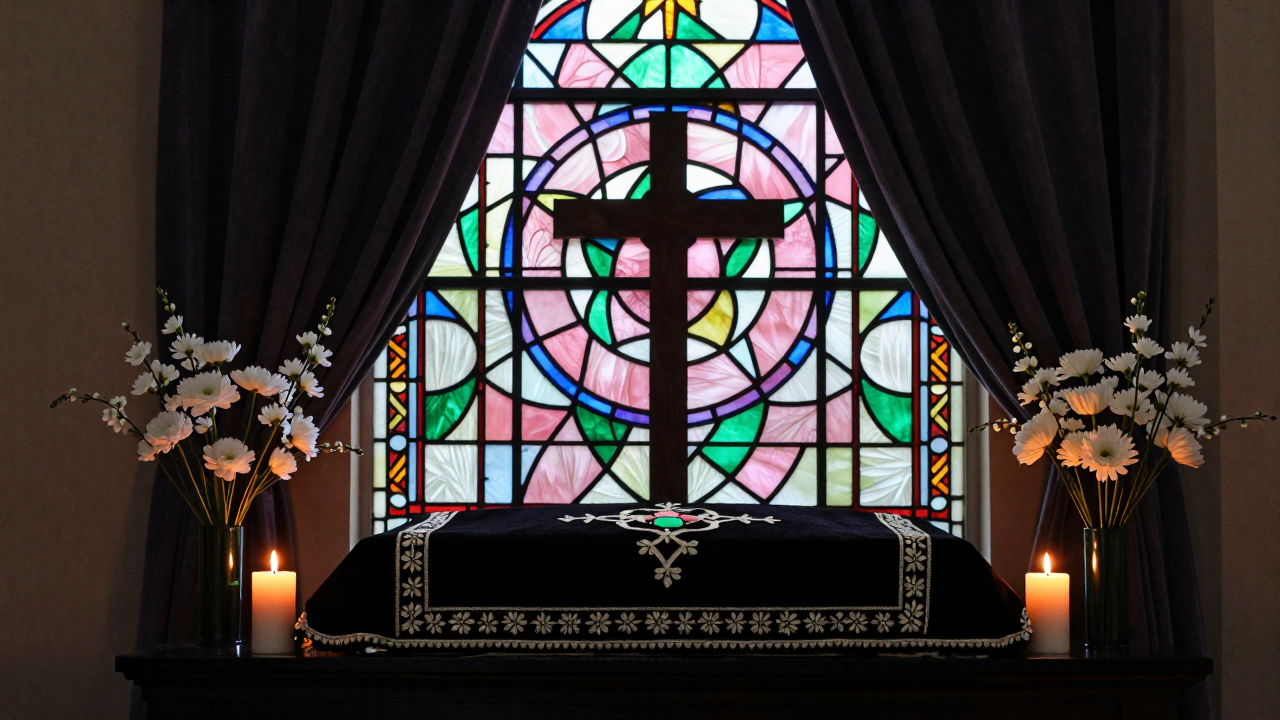
Culturally, Orthodox Good Friday holds deep meaning for the faithful, serving as a time of reflection and repentance. It is a day when the church community comes together in mourning, recognizing the gravity of Christ's sacrifice. The observance often includes the decorating of the Epitaphios, a representation of the body of Christ, which is adorned with flowers and placed in a prominent position within the church. This act not only symbolizes the burial of Jesus but also serves as a reminder of the hope of resurrection that follows on Pascha.
The significance of Orthodox Good Friday extends beyond the church walls, influencing various cultural practices and traditions within Orthodox communities. Many families engage in quiet contemplation or participate in communal prayers, reinforcing the bonds of faith and fellowship. As a day of mourning, it contrasts with the joyous celebrations that follow on Easter Sunday, emphasizing the journey from suffering to redemption. Thus, Orthodox Good Friday, observed annually on April 30, remains a profound and essential observance within the rich tapestry of Eastern Orthodox Christianity.