Orthodox Easter
Greece, Russia, Serbia, Bulgaria, Ukraine, Romania, Georgia, Cyprus, Macedonia, Ethiopia, Egypt, Jordan, Lebanon, Syria
About
Orthodox Easter, celebrated on May 2, is a deeply significant occasion for millions around the world who follow the Eastern Orthodox Christian tradition. This joyous holiday commemorates the resurrection of Jesus Christ, a cornerstone event that symbolizes hope, renewal, and the promise of eternal life. For many, it is not only a religious observance but also a time for family gatherings, communal celebrations, and the reaffirmation of faith.
The day is marked by vibrant customs and traditions that vary across different cultures. From the beautiful midnight liturgies to the festive meals that often include traditional foods like lamb and dyed eggs, Orthodox Easter is a time of great joy and togetherness. Many people also engage in the practice of greeting one another with the phrase “Christ is Risen!” to which the response is “Indeed, He is Risen!” This exchange encapsulates the spirit of the holiday, celebrating the triumph of light over darkness and the joy of resurrection. As May 2 approaches, communities prepare to embrace these cherished traditions, creating a warm atmosphere of love and unity.
History
Orthodox Easter, also known as Pascha, is a significant religious observance in the Eastern Orthodox Christian tradition, celebrated on May 2 in 2023. The origins of this holiday can be traced back to the early Christian church, where the resurrection of Jesus Christ was commemorated closely following the Jewish Passover. The timing of Orthodox Easter is determined by the Julian calendar, which differs from the Gregorian calendar used by most of the Western world. This calculation often results in Orthodox Easter being celebrated on a different date than Easter in Western Christianity, typically falling one to five weeks later.
Historically, the celebration of Easter among early Christians began as a way to honor the resurrection of Jesus, which is central to Christian theology. The Council of Nicaea in 325 AD established guidelines for determining the date of Easter, emphasizing the importance of spring equinox and the full moon. Although the Western Church adopted the Gregorian calendar in 1582, the Orthodox Church continues to use the Julian calendar for its liturgical calendar, resulting in the distinct observance of Orthodox Easter on dates such as May 2.
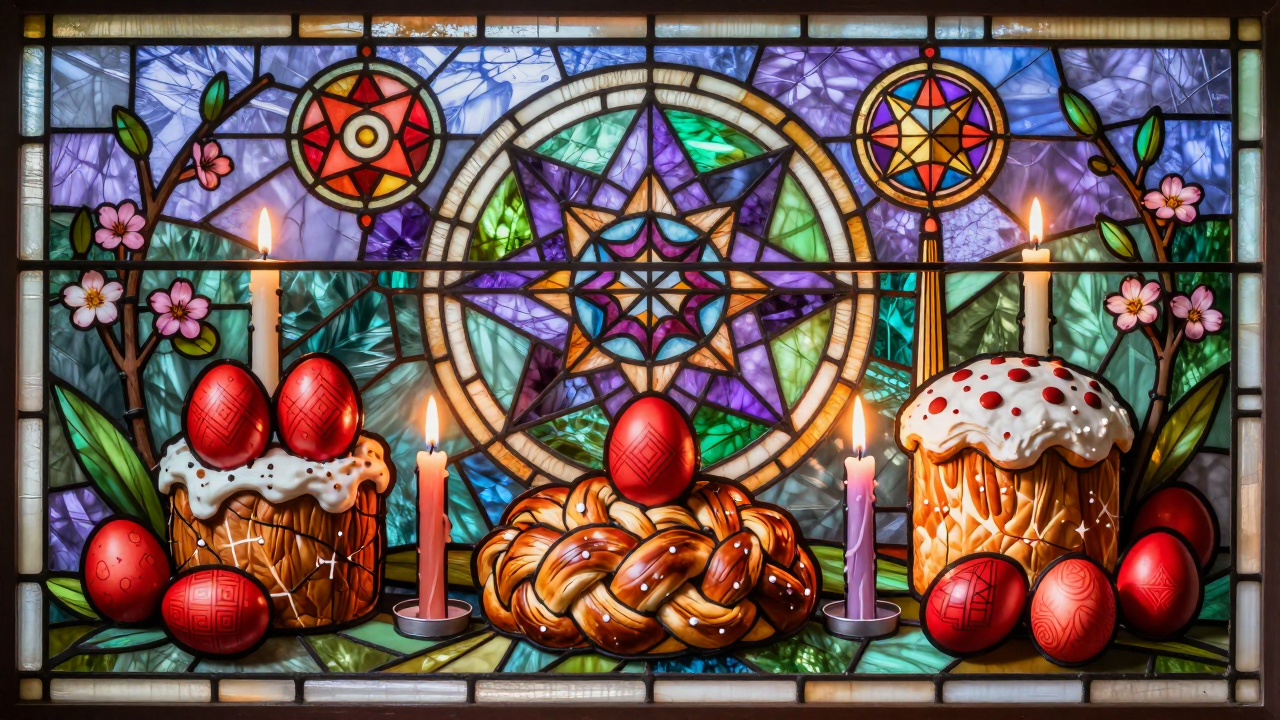
As Orthodox Easter evolved over the centuries, it became deeply intertwined with various cultural practices and traditions across different countries. Many Orthodox Christians observe the week leading up to Easter, known as Holy Week, with fasting, prayer, and special church services. This period culminates in the midnight Paschal service, where the faithful gather to celebrate the Resurrection. The festive atmosphere is marked by traditional foods, such as lamb and dyed red eggs, symbolizing new life and resurrection. These customs vary widely but commonly include joyful processions and communal meals that strengthen community bonds.
Culturally, Orthodox Easter represents not only a religious observance but also a time for family reunions and communal gatherings, reflecting the significance of resurrection and renewal in the spring season. The holiday serves as a reminder of hope and salvation, offering a moment for reflection and celebration among Orthodox Christians worldwide. On May 2, 2023, the observance of Orthodox Easter will once again highlight the rich tapestry of traditions and the enduring faith of its followers.