Oak Apple Day
United Kingdom
About
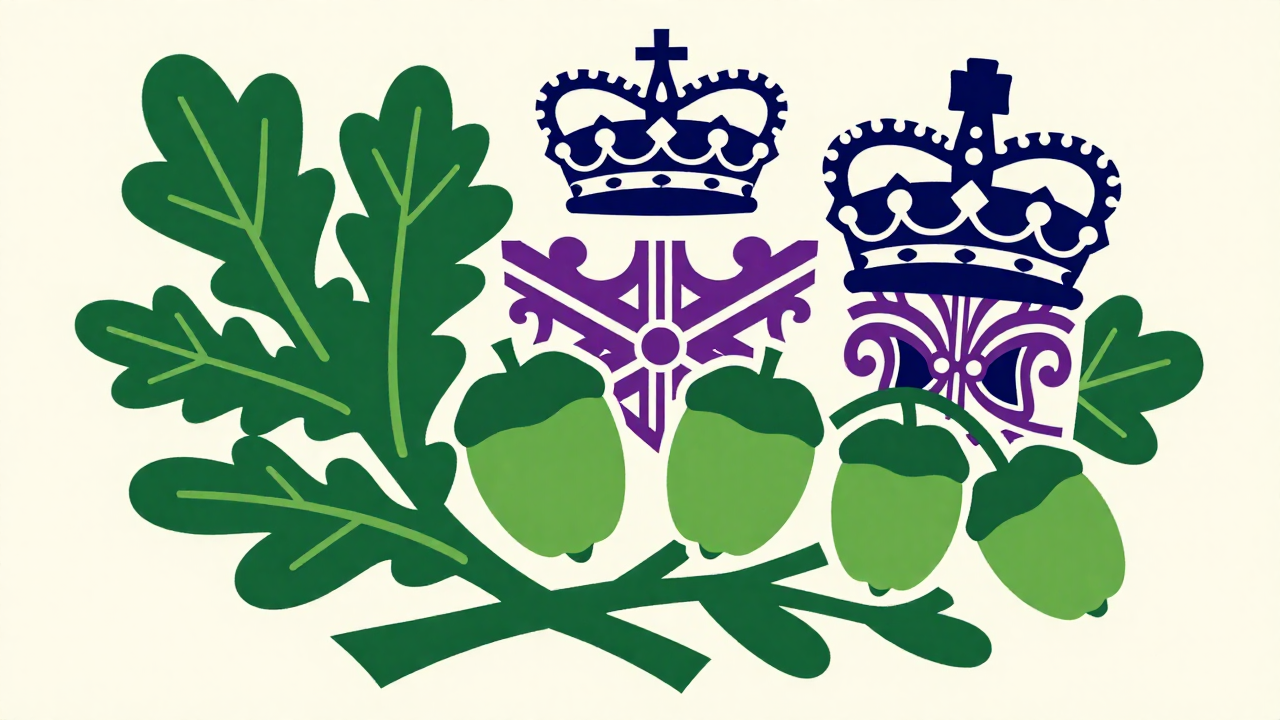
Oak Apple Day, celebrated on May 29, is a delightful observance steeped in British history and culture. This day commemorates the restoration of the monarchy in England after the turbulent years of the English Civil War. It marks the moment in 1660 when Charles II returned to the throne, a significant turning point that symbolizes stability and renewal for the nation. The oak apple itself, a small round gall produced by wasps on oak trees, became a symbol of the king’s return and a reminder of the resilience of the monarchy.
Traditionally, Oak Apple Day was celebrated with vibrant festivities, where people would wear an oak apple or a sprig of oak leaves as a sign of loyalty to the crown. The day was filled with parades, music, and merriment, bringing communities together in a spirit of unity and joy. While the grand celebrations have faded over time, the essence of Oak Apple Day remains alive as a charming reminder of England's rich heritage. So, on May 29, take a moment to reflect on this unique observance, perhaps by donning a sprig of oak or sharing stories about its historical significance with friends and family.
History
Oak Apple Day, observed on May 29, has its roots in the historical events surrounding the Restoration of the monarchy in England in 1660. This day commemorates the return of King Charles II to the throne after years of civil war and the Commonwealth period under Oliver Cromwell. The oak tree holds significant symbolism in this context, as King Charles II famously hid in an oak tree to escape Parliamentary forces after the Battle of Worcester in 1651. The oak apple, a gall produced by wasps on oak trees, became a symbol of loyalty to the king and the monarchy.
The observance of Oak Apple Day began shortly after the Restoration, with celebratory practices that included wearing oak leaves or acorns as a sign of allegiance to Charles II. This act of wearing foliage was a way for the populace to express their support for the monarchy and to commemorate the king's survival and eventual restoration. As the years passed, the day evolved into a more public celebration, with festivities that included parades, music, and various forms of merriment, particularly in areas where loyalty to the monarchy was strong.
Throughout the 18th and 19th centuries, Oak Apple Day was widely recognized and celebrated, particularly in parts of England. The day was marked by public events, and in some regions, it was a day off work, with schools and businesses closing in honor of the occasion. However, as the 20th century approached, the observance began to decline in popularity, overshadowed by other national holidays and observances. In 1859, the day was officially removed from the list of public holidays, leading to a gradual fading of its recognition.
Despite the decline in formal celebrations, Oak Apple Day remains culturally significant as a reminder of the historical events that shaped the monarchy in England. The oak tree itself has come to represent endurance and resilience, reflecting the tumultuous history of the English crown. Today, while it may not be widely celebrated, Oak Apple Day is a point of interest for historians and those who appreciate the rich tapestry of British history, serving as a reminder of the societal shifts and the restoration of tradition following a period of upheaval.