National Velociraptor Awareness Day
About
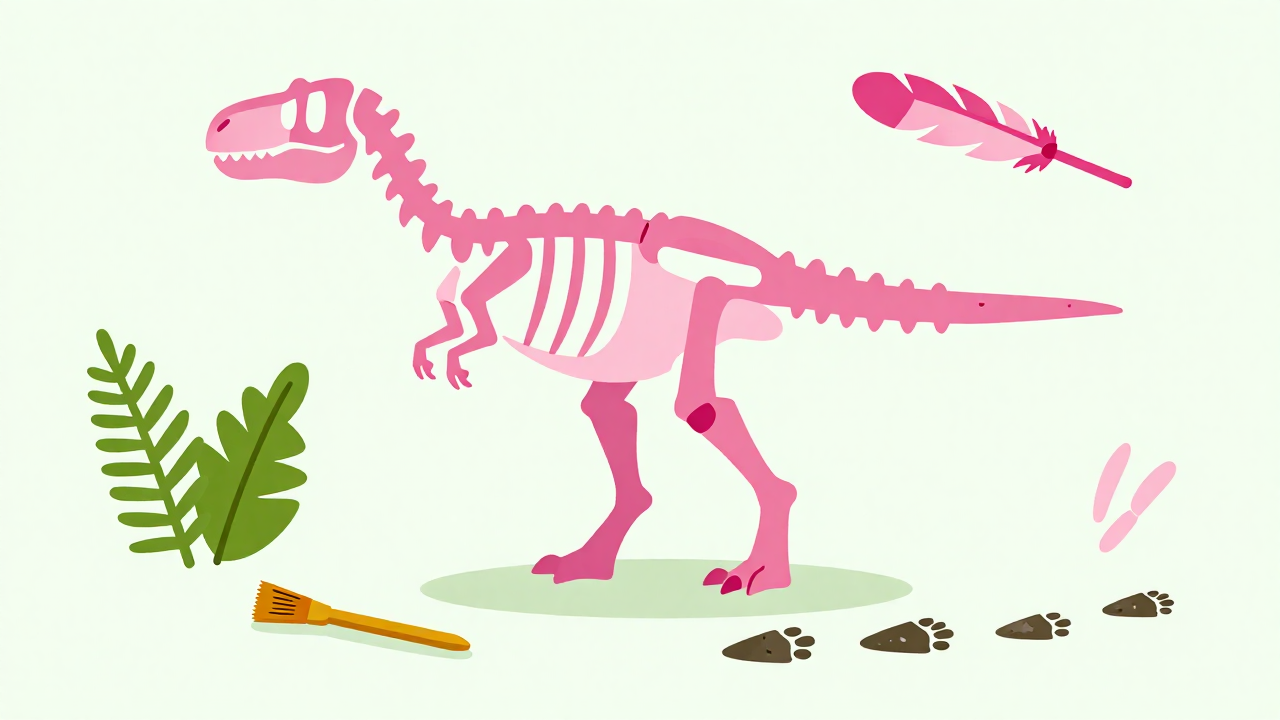
National Velociraptor Awareness Day, observed on April 18, invites us to delve into the fascinating world of one of the most intriguing dinosaurs from the Late Cretaceous period. While often depicted as ferocious predators in popular culture—thanks to films like "Jurassic Park"—the velociraptor was actually a small, feathered creature that played a vital role in its ecosystem. This day is dedicated to educating ourselves about these remarkable animals, their behavior, and their significance in the evolutionary history of birds.
Celebrating National Velociraptor Awareness Day is not just about recognizing the science behind these incredible creatures, but also about sparking curiosity and imagination. Whether you’re a dinosaur enthusiast, a student, or simply someone looking to learn something new, this day encourages exploration of paleontology and the natural world. So, gather your family and friends, visit a museum, watch documentaries, or simply share fun facts about velociraptors to honor their legacy and keep the spirit of discovery alive!
History
National Velociraptor Awareness Day is observed on April 18 each year, serving as a celebration of one of the most fascinating dinosaurs that ever roamed the Earth. The origins of this observance can be traced back to the popularization of dinosaurs in modern culture, particularly through films like "Jurassic Park," which sparked renewed interest in paleontology. The velociraptor, known for its intelligence and agility, captured the public's imagination, leading to a growing desire to learn about these creatures beyond their cinematic portrayals.
Initially, the day was proposed by dinosaur enthusiasts and educational organizations aiming to promote awareness about paleontological studies and the importance of dinosaurs in understanding Earth’s biological history. The inaugural observance on April 18 focused on educating the public about the velociraptor's characteristics, habitat, and role in the prehistoric ecosystem. As interest in dinosaurs continued to grow, so did the significance of this day, evolving into a platform for museums, schools, and conservation groups to engage communities in activities related to paleontology and natural history.
Culturally, National Velociraptor Awareness Day has become a fun and informative occasion for people of all ages to explore the wonders of the prehistoric world. Many educational institutions organize events, such as workshops and exhibitions, where participants can learn about fossils, the science of paleontology, and the history of the velociraptor itself. Additionally, social media campaigns and online content have made it easier for enthusiasts to share their knowledge and passion, fostering a community dedicated to understanding these magnificent creatures.
Over time, the observance has also sparked discussions about conservation and the preservation of natural history. By raising awareness about extinct species like the velociraptor, advocates emphasize the importance of protecting the biodiversity we have today. As April 18 approaches each year, National Velociraptor Awareness Day not only serves as a reminder of the fascinating world of dinosaurs but also encourages a broader dialogue about our planet's past and the future of its ecosystems.