National Sovereignty and Children's Day
Turkey
About
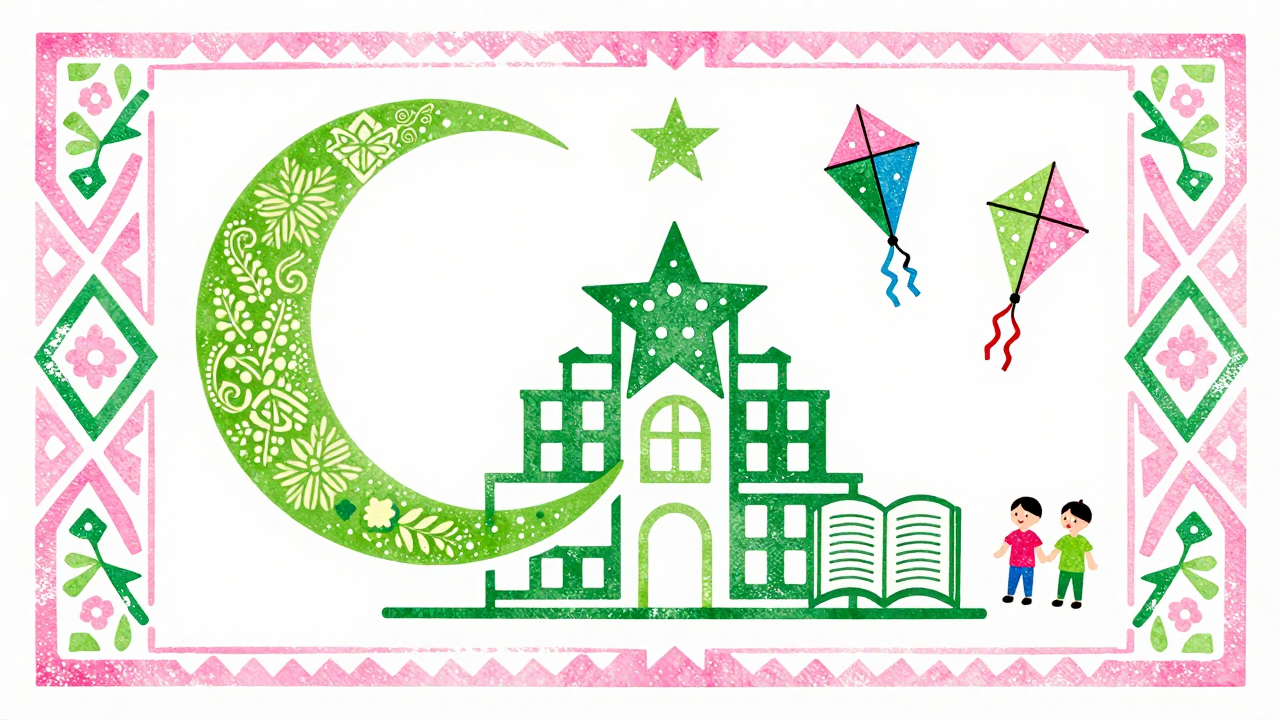
National Sovereignty and Children's Day, celebrated on April 23, is a vibrant observance that holds special significance in Turkey. This unique holiday was established in 1920 to honor the opening of the Grand National Assembly of Turkey, symbolizing the nation's sovereignty and the importance of self-governance. In a delightful twist, this day is also dedicated to children, emphasizing their role as the future of the nation and the hope for a brighter tomorrow.
On this festive occasion, communities come together to celebrate the joy and innocence of childhood through various activities and events. Schools often organize performances, parades, and games, allowing children to showcase their talents and creativity. It's a day filled with laughter and color, where families participate in picnics and outdoor celebrations, reinforcing the bonds of love and unity. National Sovereignty and Children's Day serves as a reminder of the importance of nurturing young minds while honoring the foundations of a sovereign nation, making it a day of both reflection and joy every April 23.
History
National Sovereignty and Children's Day is observed in Turkey on April 23 each year. This holiday has its roots in the establishment of the Grand National Assembly of Turkey in 1920, which marked a significant moment in the nation's struggle for independence following World War I. The assembly was a critical step toward establishing a sovereign state, free from foreign influence. The founding leader of modern Turkey, Mustafa Kemal Atatürk, designated this day as a celebration not only of national sovereignty but also of children, reflecting his belief in the importance of youth as the future of the nation.
Atatürk’s vision for the holiday was rooted in the idea that children represent hope and the promise of a better future. He famously stated, "The future is in the hands of the children." As such, April 23 was first celebrated as a day dedicated to children in 1920, coinciding with the opening of the Turkish Grand National Assembly. Over time, the observance has grown to include various activities and events aimed at fostering a sense of national pride among the youth. Schools organize performances, games, and ceremonies, allowing children to actively participate in the celebration.
The cultural significance of National Sovereignty and Children's Day extends beyond the borders of Turkey. It reflects a broader recognition of the importance of children in society and their role in shaping the future. The day is marked by festivities that bring together families and communities, emphasizing unity and the value of children as the foundation of a vibrant society. As a unique holiday, it stands out as a day where national pride and the innocence of childhood are celebrated simultaneously, thereby reinforcing the bond between the two.
Over the years, April 23 has become an international observance, with some regions outside Turkey also celebrating the day in solidarity with Turkish culture and values. In Turkey, the significance of this observance continues to resonate deeply, as it serves as a reminder of the sacrifices made for sovereignty and the importance of nurturing future generations. Thus, National Sovereignty and Children's Day remains a cherished occasion that highlights both national identity and the commitment to the well-being of children.