National Slavery and Human Trafficking Prevention Month
United States
About
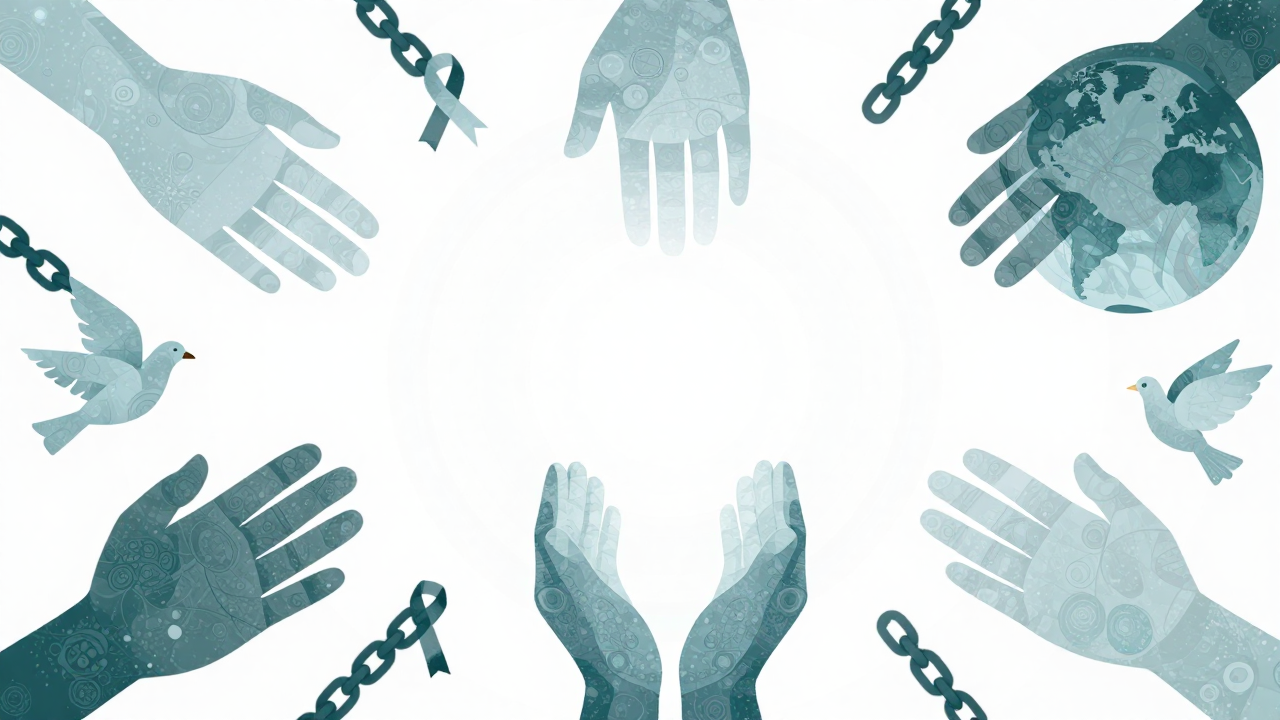
January is a time for reflection and action as communities across the nation come together to observe National Slavery and Human Trafficking Prevention Month. This important observance shines a light on the ongoing issues of modern slavery and human trafficking, raising awareness about the challenges faced by millions around the world. It serves as a reminder of the collective responsibility to protect the vulnerable and to advocate for those who cannot speak for themselves.
Throughout the month, various organizations, activists, and individuals engage in educational initiatives, outreach programs, and community events aimed at combating human trafficking in all its forms. By sharing stories, resources, and information, we can empower ourselves and others to recognize the signs of trafficking and take proactive steps to prevent it. This observance not only honors the resilience of survivors but also encourages a commitment to creating a world free from exploitation, ensuring that every person can live with dignity and freedom.
History
National Slavery and Human Trafficking Prevention Month is observed throughout January to raise awareness about the pervasive issues of slavery and human trafficking. The origins of this observance can be traced back to efforts made by various advocacy groups and government entities in the early 2000s. In 2007, Congress passed a resolution designating January as National Slavery and Human Trafficking Prevention Month, with the intent to educate the public about the realities of modern slavery and to promote the fight against human trafficking. This initiative was a response to a growing recognition of the global scale of human trafficking, which affects millions worldwide, including in the United States.
Over the years, the observance has evolved significantly. Initially focused primarily on raising awareness, it has expanded to include various educational campaigns, community outreach programs, and partnerships with law enforcement and non-profit organizations dedicated to combating human trafficking. The month serves as a platform for numerous events, such as workshops, seminars, and advocacy days, where individuals and organizations come together to share knowledge and resources. Efforts have been made to highlight the different forms of trafficking, including sex trafficking, labor trafficking, and the exploitation of children, emphasizing the need for a comprehensive approach to prevention and support for victims.
Culturally, National Slavery and Human Trafficking Prevention Month holds significant importance as it encourages conversations about social justice and human rights. By promoting awareness, the observance seeks to foster a collective responsibility to address and combat the systemic issues that allow trafficking to thrive. Educational initiatives during this month aim to empower individuals with the knowledge to recognize the signs of trafficking and to understand how they can contribute to prevention efforts within their communities.
In recent years, the observance has also aligned itself with broader movements advocating for human rights, echoing themes of equality and justice. It underscores the importance of collaboration among various sectors of society, including government, education, and healthcare, to create a united front against human trafficking. As a result, National Slavery and Human Trafficking Prevention Month not only highlights the urgent need for action but also serves as a reminder of the ongoing struggle for dignity and freedom for all individuals.