National Remembrance Day in Netherlands
Netherlands
About
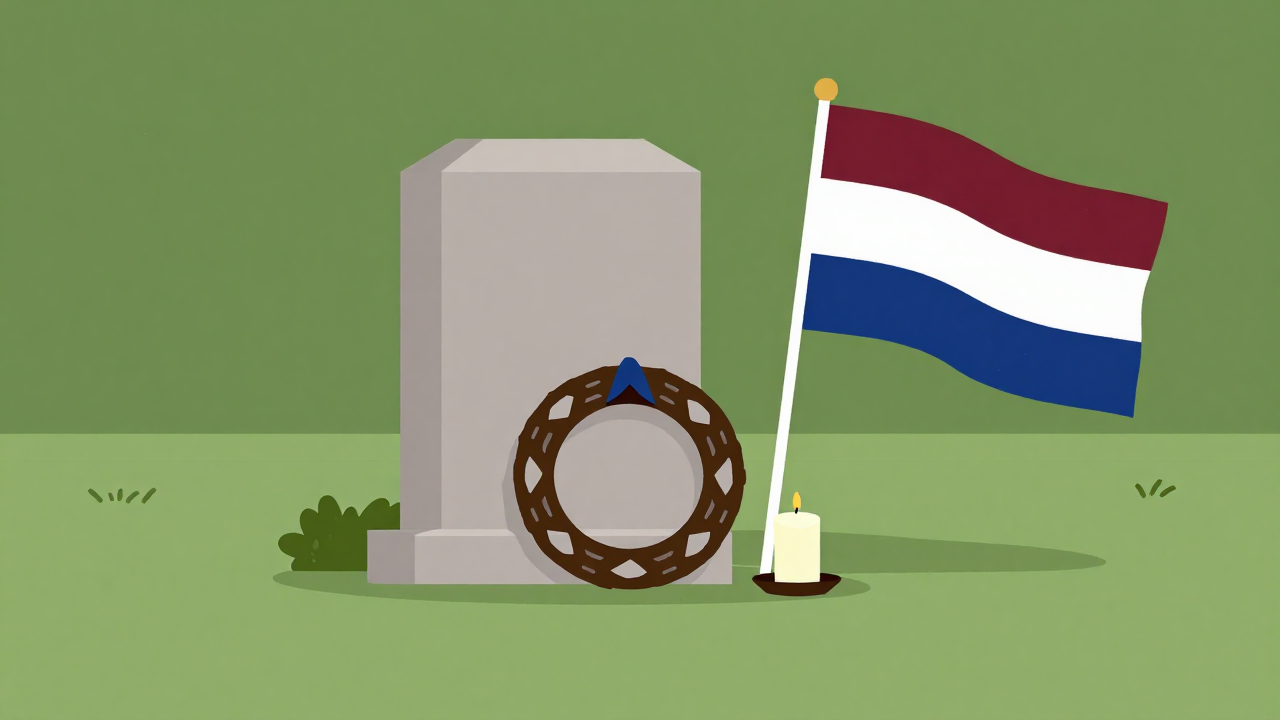
National Remembrance Day in the Netherlands, observed on May 4, is a poignant occasion dedicated to honoring the memory of those who lost their lives during World War II and in subsequent conflicts. This day serves as a solemn reminder of the sacrifices made for freedom and peace, and it invites citizens to reflect on the past while fostering a commitment to a more harmonious future. The day culminates in a nationwide moment of silence at 8:00 PM, allowing individuals to pause and remember the bravery of those who fought for their homeland and the values they cherished.
Throughout the day, various ceremonies and events take place, particularly in cities like Amsterdam, where the National Monument on Dam Square becomes a focal point for remembrance. People gather to lay flowers, listen to speeches, and share stories that highlight the importance of remembrance and the lessons learned from history. National Remembrance Day not only honors the fallen but also encourages a collective commitment to preventing conflict and promoting peace in today’s world. It’s a heartfelt observance that unites people across the Netherlands in gratitude and reflection, ensuring that the sacrifices of the past are never forgotten.
History
National Remembrance Day in the Netherlands, observed on May 4, is a solemn occasion dedicated to honoring the memory of those who lost their lives during World War II and in subsequent conflicts. The origins of this observance can be traced back to 1945, when the Netherlands was liberated from Nazi occupation. The first official commemoration took place in 1946, marked by a national moment of silence and various ceremonies to remember the victims of war and persecution.
Over the years, National Remembrance Day has evolved from a purely World War II commemoration to include all victims of war and acts of violence, both past and present. This expansion reflects a broader understanding of the consequences of conflict and the importance of peace. The day is now a time for reflection on the impact of war on individuals, families, and societies. Ceremonies are held in various cities, with the most notable being in Amsterdam at the National Monument on the Dam Square, where the King of the Netherlands, along with other dignitaries, participates in a memorial service.
Culturally, National Remembrance Day holds deep significance for the Dutch people. It serves not only as a reminder of the sacrifices made during wartime but also as an opportunity to promote a culture of peace and tolerance. Many citizens participate in the observance by lighting candles in their homes, attending local ceremonies, or observing a moment of silence at 8 PM, the time when the Netherlands was liberated in 1945. This collective act of remembrance fosters national unity and encourages reflection on the importance of preserving freedom and preventing future conflicts.
As the years have gone by, National Remembrance Day has also become a platform for discussions about the lessons learned from history. It emphasizes the need for vigilance against intolerance and injustice, advocating for a society that values human rights and dignity. This observance not only honors those who have fallen but also serves as a powerful reminder of the ongoing responsibility to strive for peace and understanding in a complex world.