National Radon Action Month
United States
About
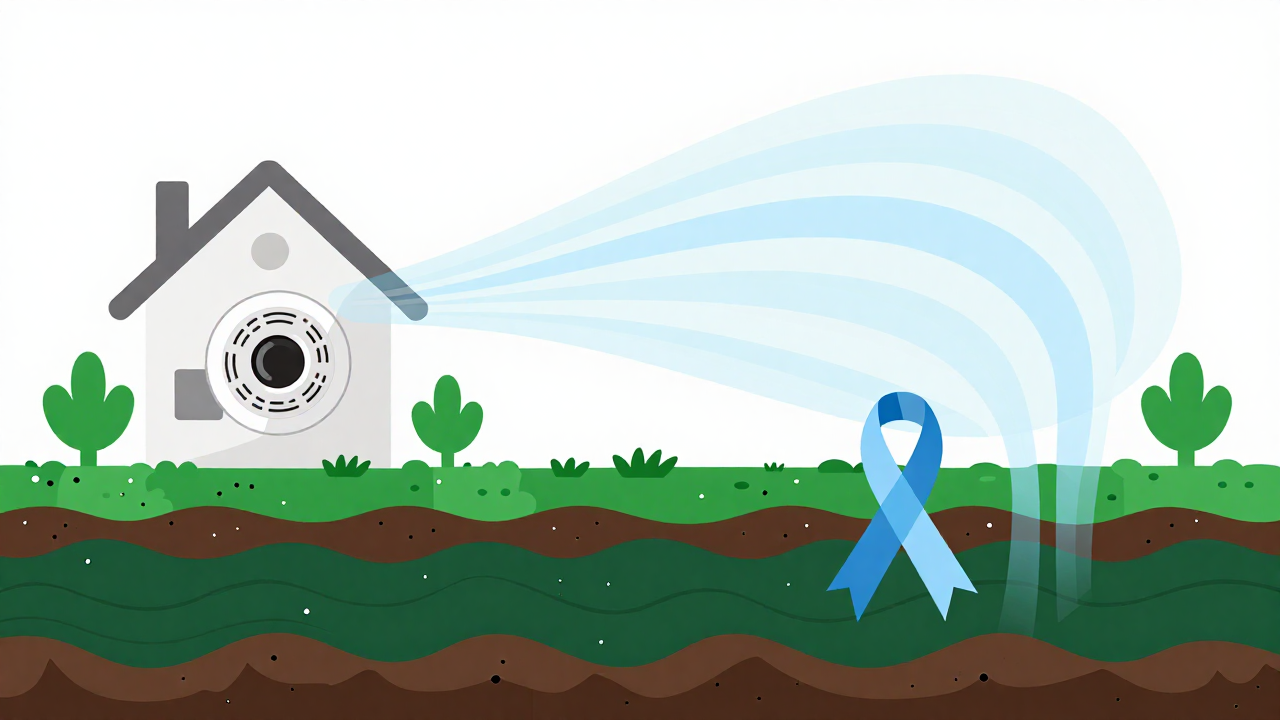
January brings with it the opportunity to focus on a crucial aspect of home safety: National Radon Action Month. This observance encourages individuals and families to take proactive steps in understanding and mitigating radon exposure in their homes. Radon, a colorless and odorless gas that can seep into homes from the ground, is known to be a leading cause of lung cancer among non-smokers. By dedicating this month to raising awareness, we can empower ourselves and our communities to take action against this hidden danger.
During National Radon Action Month, homeowners are encouraged to test their living spaces for radon levels and to seek solutions if necessary. Various organizations and health agencies provide resources and guidance on how to effectively measure radon and implement radon mitigation systems. This observance serves as a reminder that we all have the power to create safer environments for ourselves and our loved ones. By participating in National Radon Action Month, we not only foster awareness but also promote a culture of health and safety that benefits everyone.
History
National Radon Action Month is observed throughout January, serving as a crucial reminder of the importance of awareness and action against radon exposure, a leading cause of lung cancer in non-smokers. The observance was established in 2005 by the U.S. Environmental Protection Agency (EPA) as part of a broader initiative to educate the public about the dangers of radon gas and promote testing and mitigation efforts. The initiative aligns with the EPA's ongoing mission to protect human health and the environment, emphasizing the significant health risks posed by radon, which is an odorless, tasteless gas that can accumulate in homes and buildings.
Historically, the awareness of radon as a health hazard began to gain traction in the late 20th century. Scientific research in the 1980s and 1990s revealed the connection between radon exposure and lung cancer, particularly in areas with high natural radon levels. In response to these findings, the EPA and various public health organizations began advocating for radon testing and mitigation measures. National Radon Action Month was introduced to provide a focused time for communities to engage in educational outreach, encouraging homeowners to test their properties for radon and take necessary steps if elevated levels are detected.
Over the years, National Radon Action Month has evolved into an important platform for public health advocacy. Various organizations, including state health departments, the American Lung Association, and other community groups, participate in the observance by hosting events, distributing educational materials, and offering resources for radon testing and mitigation. This collective effort aims not only to raise awareness but also to empower individuals to take proactive measures to protect their health and that of their families.
The cultural significance of National Radon Action Month lies in its role in promoting health consciousness and community engagement. By encouraging discussions about indoor air quality and environmental health, the observance fosters a greater understanding of how radon exposure can affect families across different demographics. It serves as a reminder of the importance of preventive health measures and the collective responsibility to ensure safe living environments.
As National Radon Action Month continues to be observed each January, it reinforces the ongoing commitment to public education and health advocacy surrounding radon exposure. Through testing, mitigation, and community involvement, the observance strives to reduce the risks associated with radon and promote a healthier future for all.