National Leprechaun Day
United States, Ireland
About
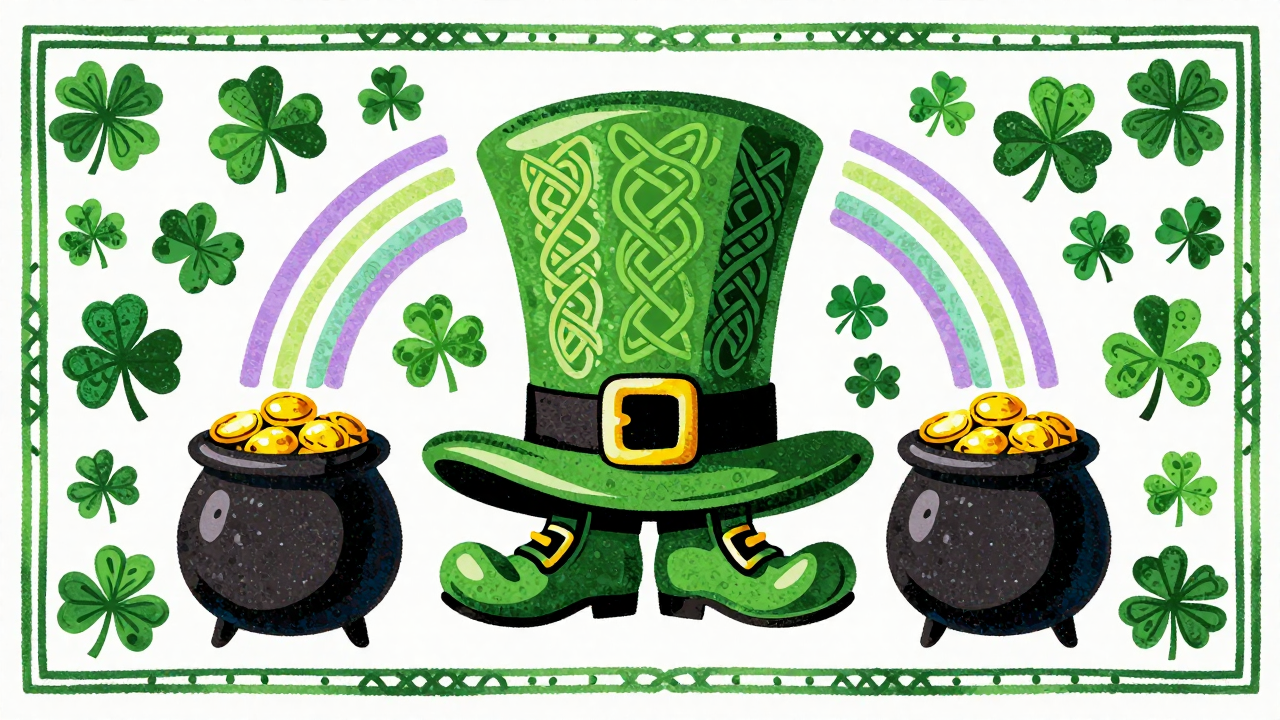
National Leprechaun Day, celebrated on May 13, invites everyone to unleash their imagination and embrace the whimsical charm of these iconic figures from Irish folklore. Leprechauns, often depicted as cheeky little fairies in green coats and buckled shoes, are known for their love of mischief and their legendary pots of gold hidden at the end of the rainbow. This delightful observance encourages people to dive into the enchanting stories and traditions surrounding these magical beings, fostering a sense of joy and creativity.
On this day, you can indulge in all things leprechaun! Whether it’s sharing tales of leprechaun lore, crafting colorful decorations, or even hosting a themed party, National Leprechaun Day is a wonderful opportunity to explore Irish culture and folklore. So gather your friends and family, don your finest green attire, and celebrate the spirit of these mischievous little creatures. After all, who doesn’t enjoy a little magic in their lives?
History
National Leprechaun Day is celebrated annually on May 13, honoring the whimsical figures of Irish folklore known as leprechauns. These mythical beings are often depicted as small, bearded men dressed in green coats and buckled shoes, known for their mischievous nature and association with hidden pots of gold. The observance of National Leprechaun Day reflects a broader cultural fascination with Irish mythology and the charm of leprechauns, which have become symbols of luck and folklore in popular culture.
The origins of leprechauns trace back to ancient Irish mythology, where they were considered a type of fairy, often linked to the Tuatha Dé Danann, the supernatural race in Irish lore. Traditionally, leprechauns were seen as solitary creatures, cobblers by trade, who guarded their treasure at the end of a rainbow. Over time, these figures evolved from their more serious mythological roots into the playful and jovial characters familiar today, particularly through the influence of literature and media. The first known appearance of leprechauns in print dates back to the 8th century, but their modern persona became widely recognized in the 19th century, especially with the rise of Irish nationalism and the romanticization of Irish culture.
As National Leprechaun Day has evolved, it has come to symbolize not only the playful spirit of leprechauns but also a celebration of Irish heritage. The day encourages people to engage with Irish traditions, folklore, and customs, often incorporating elements such as storytelling, music, and dance. Many celebrate by dressing in green, creating leprechaun-themed decorations, and sharing tales of these charming creatures. The observance also serves as an invitation to explore the rich cultural tapestry of Ireland, fostering appreciation for its myths and legends.
In contemporary society, National Leprechaun Day is embraced by those seeking a light-hearted celebration of Irish culture, especially during the spring, when communities often organize events that include parades, festivals, and educational activities. This observance not only pays homage to the leprechaun's mythical roots but also highlights the importance of cultural storytelling, connecting generations through shared narratives and traditions. Celebrating National Leprechaun Day on May 13 ultimately serves as a reminder of the enduring power of folklore and its ability to bring people together in joy and laughter.