National Lame Duck Day
United States
About
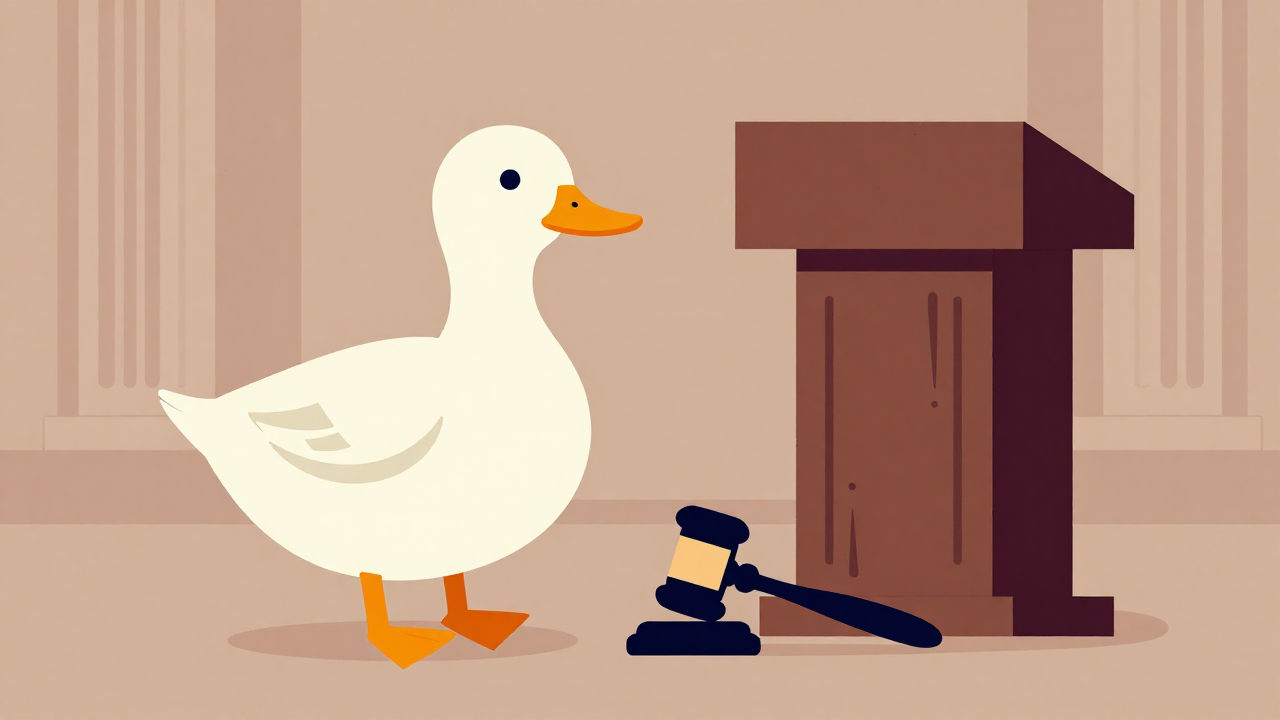
National Lame Duck Day, observed annually on February 6, offers a delightful opportunity to reflect on the concept of the "lame duck"—a term often associated with politicians who are nearing the end of their term and have limited power or influence. While the term may seem negative at first glance, this day encourages us to embrace the lighter side of the situation and recognize the unique position these individuals find themselves in. It’s a time to appreciate the fleeting moments, the transitions, and the potential for new beginnings that come with change.
On this special day, individuals are invited to celebrate the humor and quirks of being in a "lame duck" phase, whether in politics or everyday life. It’s a reminder that even as we near the end of a chapter, there’s always the chance to make the most of our remaining time. So, gather your friends and family, share a laugh about the quirks of transition, and perhaps even reflect on your own experiences of moving from one phase to another. National Lame Duck Day encourages us to find joy in the moments of uncertainty and to embrace the possibilities that lie ahead.
History
National Lame Duck Day is observed annually on February 6. This observance highlights the concept of a "lame duck," which refers to an elected official or group of officials who are still in office but whose terms are about to end. The term gained prominence in the political arena, particularly in the United States, during the 19th century, as the period between election and the inauguration of a new officeholder became more pronounced. The origins of the phrase can be traced back to the 18th century in England, where it was used to describe a businessperson who was unable to meet their financial obligations, thus drawing a parallel to politicians who may lack effectiveness at the end of their term.
Over time, the observance of National Lame Duck Day has evolved into a lighthearted way to reflect on political transitions. While the day primarily focuses on the humorous aspects of politicians who are either finishing their term or are not likely to be re-elected, it also serves as a reminder of the importance of electoral processes and the dynamics of political power. The shift from a more serious consideration of political efficacy to a recognition of the inevitable changes in leadership has allowed National Lame Duck Day to occupy a unique place in the political calendar.
Culturally, National Lame Duck Day encourages discussions about governance and accountability. It often prompts citizens to consider the impact of outgoing officials on policy and decision-making during their final days in office. The day can also serve as an opportunity for political commentary, where citizens engage in discussions about the actions of current leaders as they approach the end of their terms. In this way, the observance transcends mere humor, fostering a deeper understanding of the complexities of political leadership and the importance of civic engagement.
As February 6 rolls around each year, National Lame Duck Day not only commemorates the outgoing officials but also reminds the public of the ongoing nature of political involvement. It encourages citizens to reflect on the significance of their votes and the importance of staying informed about the political landscape, even as leadership transitions occur. Thus, this day serves both as a moment of levity and a call to action for civic responsibility.