National Freedom Day
United States
About
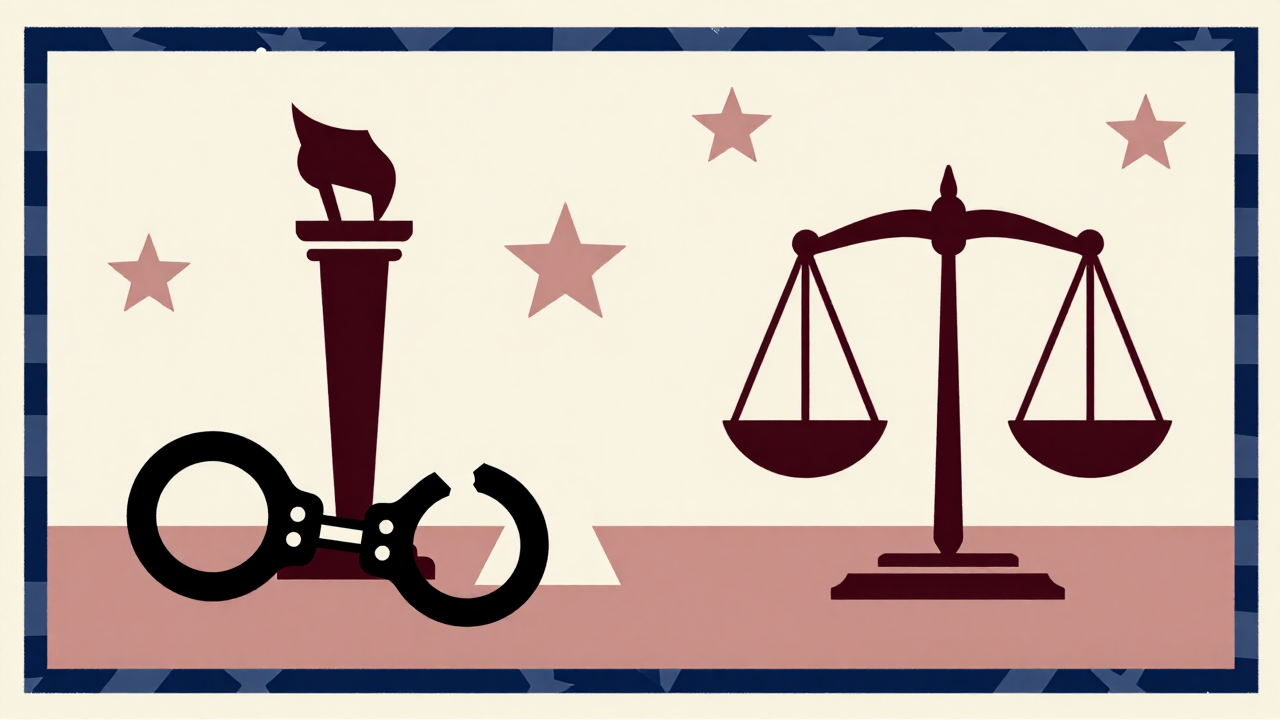
National Freedom Day, observed on February 1, serves as a poignant reminder of the ongoing pursuit of liberty and justice for all. This day honors the signing of the 13th Amendment to the United States Constitution in 1865, which abolished slavery and affirmed the fundamental principle that all individuals are entitled to freedom. By reflecting on the sacrifices made by countless individuals throughout history, National Freedom Day encourages us to appreciate the rights and privileges we enjoy today, while also inspiring us to continue the fight for equality and freedom for everyone.
As we observe National Freedom Day, communities across the nation engage in activities that celebrate diversity and promote understanding among all citizens. It’s a time for reflection, education, and action, allowing individuals to consider the progress made and the challenges that still lie ahead. Whether through discussions, community events, or personal moments of contemplation, this day invites us to honor the legacy of those who have fought for freedom and to reaffirm our commitment to ensuring that liberty remains a fundamental right for all. Let February 1 be a day of unity and hope, as we work together to uphold the ideals of freedom and justice.
History
National Freedom Day is observed annually on February 1, commemorating the signing of the 13th Amendment to the United States Constitution in 1865, which abolished slavery. This observance originated from the efforts of Richard R. Wright Sr., an African American leader and civil rights advocate, who proposed a day to celebrate freedom and the progress made towards equality in the United States. Wright believed that acknowledging the significance of the amendment was essential for fostering unity and understanding among all Americans.
The day was first officially recognized in 1948 when President Harry S. Truman signed a proclamation establishing February 1 as National Freedom Day. This was a pivotal moment in the observance's history, as it marked the federal recognition of the importance of freedom and civil rights within the context of American society. Since then, National Freedom Day has served as a reminder of the struggles for equality and the ongoing fight against discrimination, urging citizens to reflect on the values of liberty and justice for all.
Over the years, National Freedom Day has evolved into a broader celebration of civil rights and social justice. Various events and activities take place throughout the nation, including educational initiatives, community service, and commemorative gatherings that honor the sacrifices made by countless individuals in the pursuit of freedom. This observance encourages discussions about the historical context of slavery, the civil rights movement, and the importance of continued advocacy for equality in contemporary society.
Culturally, National Freedom Day holds significant importance as it serves as a catalyst for reflection on the nation's past and the ongoing journey towards true freedom for all individuals. It highlights the principles of democracy and human rights, reminding citizens of the collective responsibility to uphold these values. The observance encourages individuals to engage with their communities and work towards a more inclusive society, reinforcing the idea that freedom is not merely a historical achievement but an ongoing commitment to justice and equality.