National Flour Month
United States
About
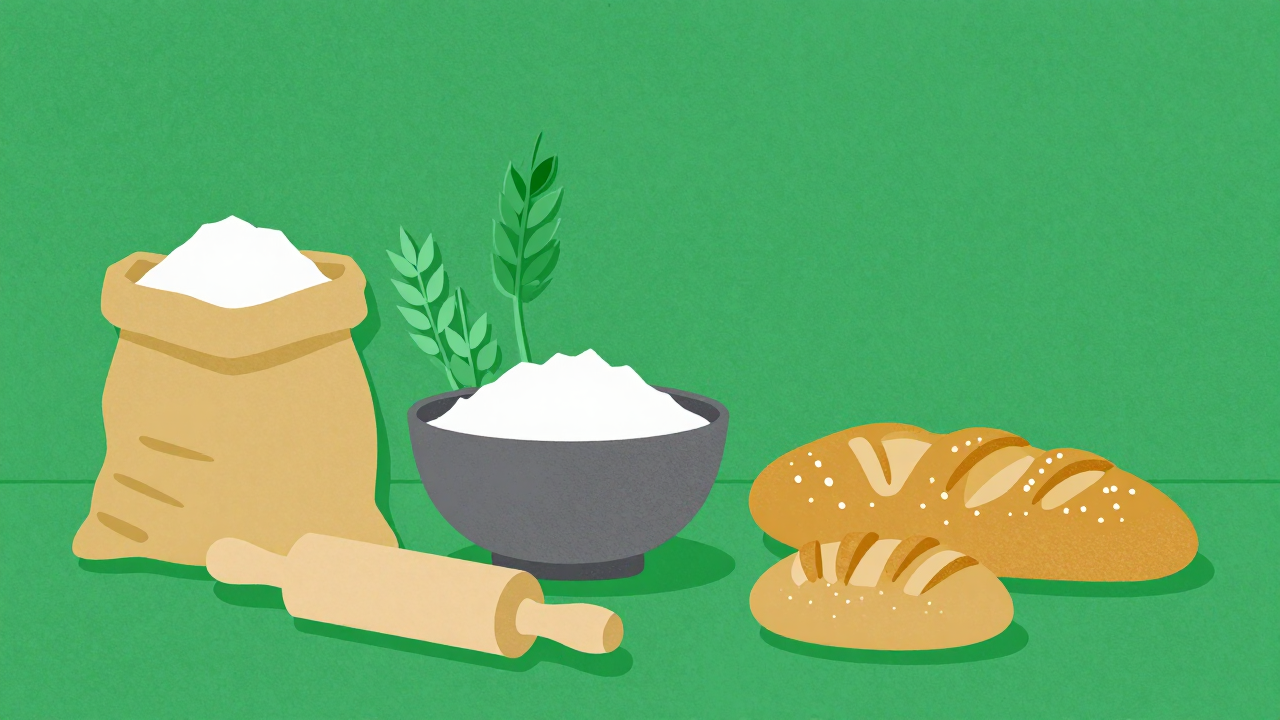
March brings with it the joy of National Flour Month, a delightful celebration of one of the most essential ingredients in our kitchens. Flour is the backbone of countless recipes, from the softest breads to the flakiest pastries, playing a crucial role in baking and cooking traditions around the world. This month invites us to explore the versatility of flour, highlighting its various types, such as all-purpose, whole wheat, and gluten-free options, and encouraging everyone to appreciate the skill and artistry involved in transforming this simple ingredient into delicious creations.
During National Flour Month, families and friends can come together to experiment with new recipes, share their culinary triumphs, and perhaps even pass down cherished family recipes that have flour at their heart. Whether you’re kneading dough for a homemade pizza, whipping up pancakes for breakfast, or crafting a decadent cake for a special occasion, this observance is a wonderful opportunity to savor the warmth and joy that baking brings. So, gather your ingredients, roll up your sleeves, and let the celebration of flour inspire creativity in your kitchen all month long!
History
National Flour Month is observed throughout March, celebrating the essential ingredient that has been a cornerstone of culinary practices across cultures and history. The observance brings attention to flour's significance in cooking and baking, a staple that has evolved alongside human civilization. The origins of flour date back thousands of years, with evidence of ancient civilizations such as the Egyptians and Mesopotamians grinding grains into flour, which allowed for the creation of bread, one of humanity's oldest prepared foods.
The observance of National Flour Month began as a way to acknowledge the vital role flour plays in our diets and its contributions to various cuisines around the world. As agriculture advanced, so did flour production methods, from stone grinding to the invention of mechanized milling in the 19th century. This evolution not only increased the availability of flour but also diversified its types, including whole wheat, all-purpose, and specialty flours like almond and coconut. As societies changed, so did the ways flour was utilized, leading to a rich array of baked goods, pastries, and pasta that are enjoyed globally.
Culturally, National Flour Month serves as a reminder of the connection between food and community. Baking has historically been a communal activity, whether it's families coming together to make bread or communities hosting festivals celebrating local grain harvests. The month encourages people to explore and experiment with different flour types in their cooking and baking endeavors, fostering creativity in the kitchen. Additionally, it highlights the importance of supporting local grain farmers and millers, recognizing their contributions to food security and sustainable agriculture.
Throughout March, various events and activities may take place, such as baking workshops, recipe contests, and educational programs focusing on the nutritional aspects of flour and its history. These initiatives promote awareness of how flour can be incorporated into healthier diets while celebrating its versatility and historical significance. National Flour Month ultimately honors the rich legacy of flour as a fundamental ingredient that continues to influence our culinary landscape.