National Flag Day Philippines
Philippines
About
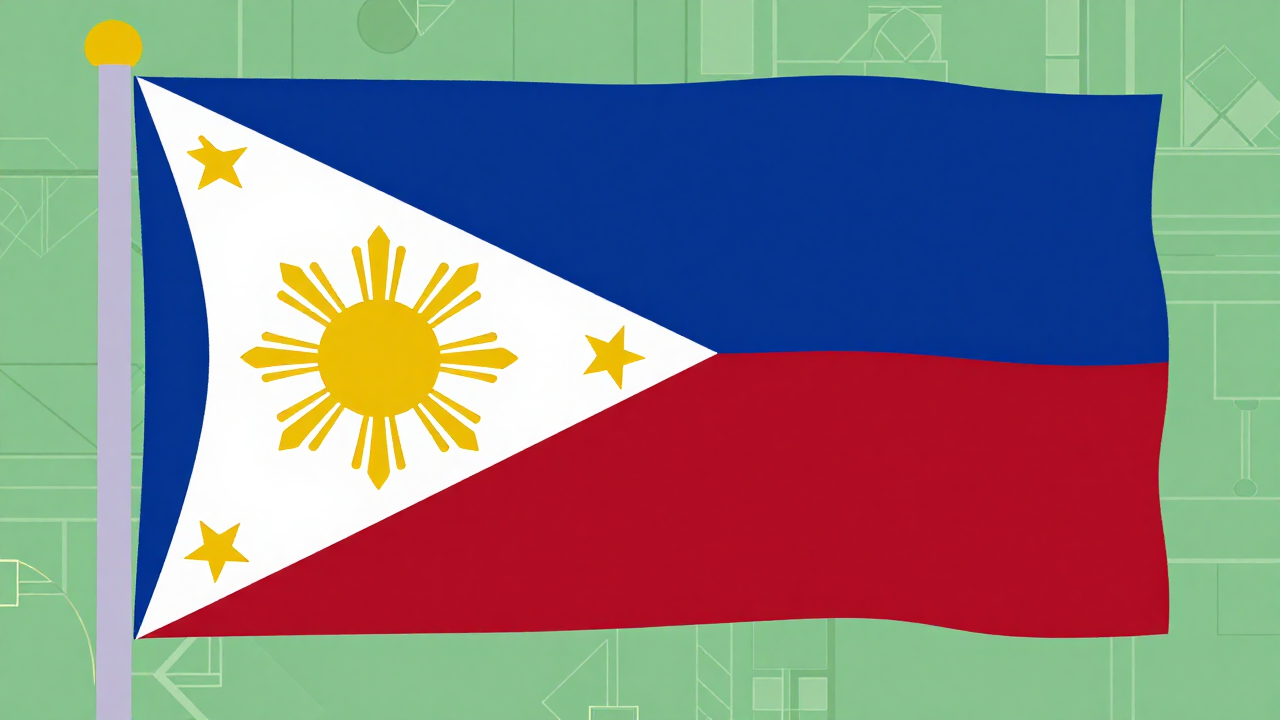
National Flag Day in the Philippines, celebrated on May 28, is a vibrant and meaningful observance that honors the country's rich history and the significance of its national flag. This day is a reminder of the struggles and sacrifices made by Filipinos in their pursuit of independence and national identity. The flag itself, with its striking colors and symbols, represents the courage, resilience, and unity of the Filipino people.
On this special day, citizens are encouraged to display the Philippine flag proudly, whether at home, in schools, or public spaces. Various activities and ceremonies take place, promoting national pride and fostering a sense of community among Filipinos. It’s a time to reflect on the values the flag embodies—freedom, peace, and patriotism—while also celebrating the diverse culture that makes the Philippines unique. As families and friends come together to commemorate National Flag Day on May 28, they reinforce their bond to the nation and each other, creating a festive atmosphere filled with joy and respect for their heritage.
History
National Flag Day in the Philippines is observed annually on May 28, commemorating the first hoisting of the Philippine flag in 1898. This significant event took place in Kawit, Cavite, during the proclamation of Philippine independence from Spanish rule. The flag, designed by Emilio Aguinaldo and featuring a blue field representing peace, a red field symbolizing patriotism, and a white triangle symbolizing equality, became a powerful emblem of national identity and sovereignty.
The observance of National Flag Day was formalized through Republic Act No. 8491, signed into law on February 12, 1998. This act aimed to promote awareness of the national flag's importance and to instill love for the country among Filipinos. The law mandates that the flag should be displayed prominently from May 28 until June 12, which is celebrated as Independence Day. This period serves as a reminder of the struggles for freedom and the sacrifices made by countless Filipinos in their quest for independence.
Over the years, National Flag Day has evolved from a simple commemoration of a historical event into a broader celebration of Filipino nationalism and patriotism. Schools, government institutions, and community organizations engage in various activities, such as flag-raising ceremonies, educational programs, and cultural performances, to honor the significance of the flag and its role in the country's history. This observance not only fosters a sense of pride in Filipino heritage but also encourages unity among the diverse cultural groups within the nation.
Culturally, National Flag Day serves as a poignant reminder of the Philippines’ rich history and the ongoing journey towards national identity. The flag itself has become a symbol of resilience and hope for many Filipinos, representing the values of freedom, justice, and equality. As May 28 arrives each year, citizens reflect on their shared history and the importance of upholding the principles that the flag embodies, ensuring that future generations remain connected to their roots and committed to the ideals of independence.