National Day of Ethiopia
Ethiopia
About
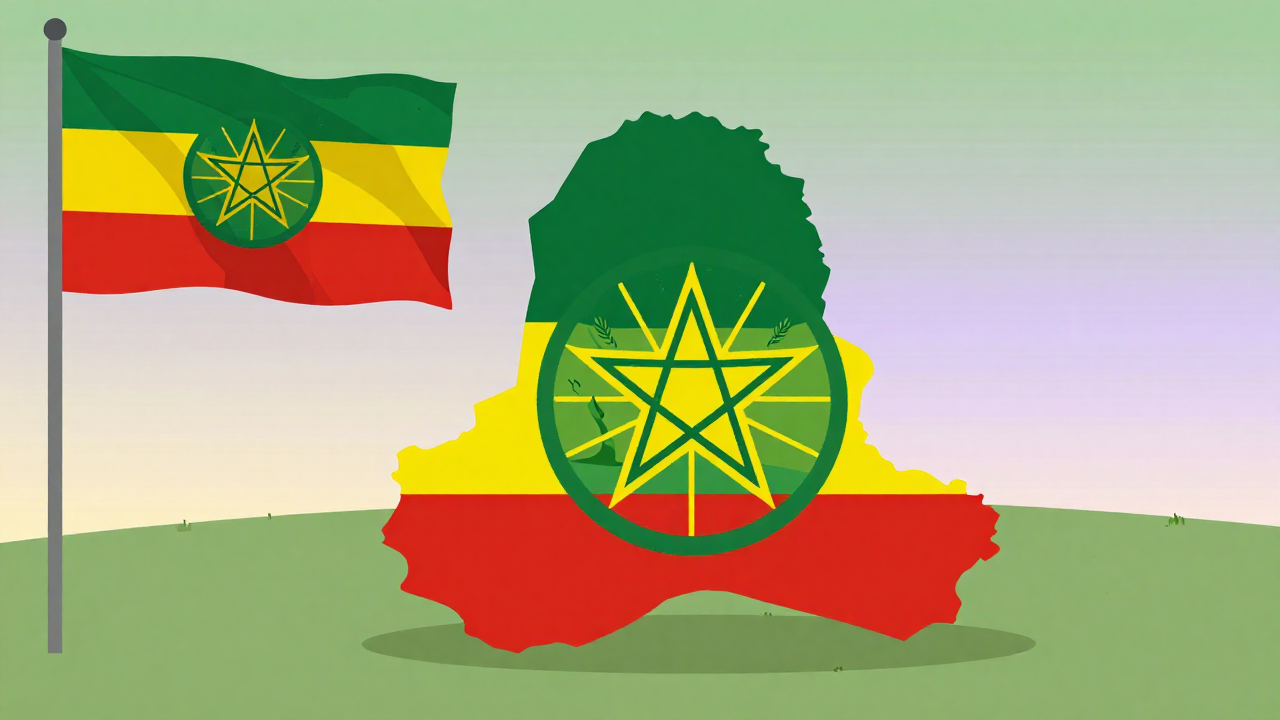
National Day of Ethiopia, observed on May 28, is a significant celebration that marks the victory of the Ethiopian People’s Revolutionary Democratic Front (EPRDF) over the Derg regime in 1991. This day symbolizes not only the end of a long and oppressive rule but also the beginning of a new era for the country, characterized by hope, resilience, and unity. Ethiopians around the world take pride in their rich history and cultural heritage, and this day serves as a powerful reminder of their struggles and achievements.
Festivities on National Day of Ethiopia are vibrant and full of life, showcasing the diverse cultures and traditions of the nation. Families and communities come together to celebrate with music, dance, and traditional cuisine, creating an atmosphere of joy and camaraderie. As people reflect on their journey towards freedom and democracy, they also honor those who fought for their rights and the values that continue to unite them as a nation. This day is not only a commemoration of past struggles but also an opportunity to look ahead, fostering a spirit of hope and progress for future generations.
History
National Day of Ethiopia is observed annually on May 28, commemorating a significant turning point in the country's history. This day marks the fall of the Derg regime in 1991, a military junta that had ruled Ethiopia since 1974. The Derg, which was led by Mengistu Haile Mariam, was responsible for widespread human rights abuses and a brutal civil war that led to the deaths of countless Ethiopians. The overthrow of the Derg by the Ethiopian People's Revolutionary Democratic Front (EPRDF) not only signaled the end of a repressive regime but also set the stage for a new era of governance and reform in Ethiopia.
The origins of National Day can be traced back to the struggles of various Ethiopian ethnic groups and political movements against the Derg. The EPRDF, a coalition of regional and ethnic factions, united to challenge the military government, ultimately leading to the capture of the capital, Addis Ababa, on May 28, 1991. This victory was celebrated as a liberation of the Ethiopian people from oppression and marked the beginning of significant political changes, including the establishment of a federal system of governance based on ethnic lines. Over the years, the observance of this day has evolved into a national celebration of unity and resilience, showcasing the diversity of the Ethiopian people.
Culturally, National Day is significant as it not only remembers the struggle for liberation but also emphasizes the importance of national identity and unity among Ethiopia's diverse ethnic groups. Celebrations typically include parades, cultural performances, and speeches from political leaders, reflecting on the achievements since the fall of the Derg and the ongoing challenges facing the country. This day serves as a reminder of the sacrifices made for freedom and the importance of continuing to work towards a more inclusive and democratic society.
As Ethiopia continues to navigate its path in the post-Derg era, May 28 remains a pivotal date in the national consciousness. The observance of National Day allows Ethiopians to reflect on their shared history, honor those who fought for their freedom, and look forward to a future marked by peace and development. It is a day that encapsulates both remembrance and hope, serving as a foundation for building a cohesive national identity amidst the rich tapestry of Ethiopia's cultural heritage.