National Carnation Day
United States
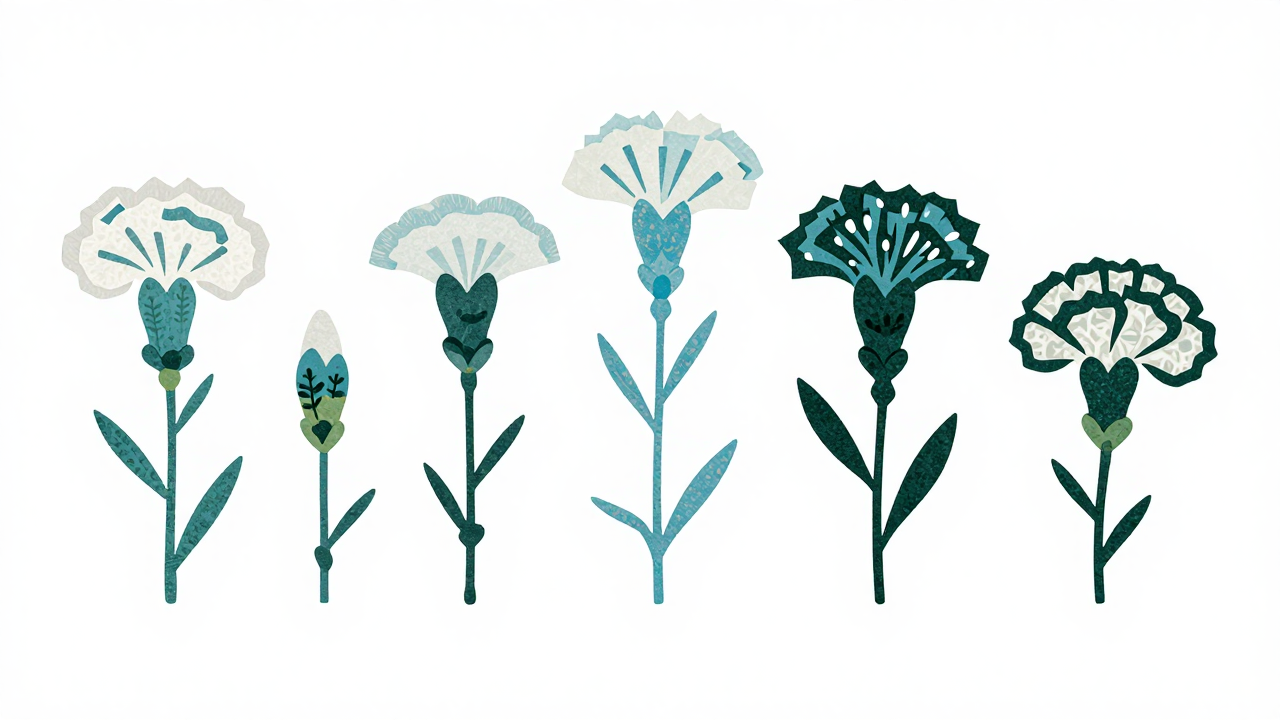
About
National Carnation Day, celebrated annually on January 29, is a delightful occasion dedicated to honoring the beauty and significance of the carnation flower. Known for its vibrant colors and captivating fragrance, the carnation has long been associated with various meanings, from admiration to love and fascination. This day encourages flower enthusiasts and casual admirers alike to appreciate the rich symbolism of the carnation, which has been cherished in cultures around the world for centuries.
As you celebrate National Carnation Day, consider incorporating these lovely blooms into your day, whether by gifting a bouquet to a loved one, planting them in your garden, or simply enjoying their beauty in your home. The carnation serves as a reminder of the warmth and affection we share with those around us. So, take a moment on January 29 to reflect on the connections that bring joy into your life, and let the vibrant colors of carnations inspire you to spread love and appreciation in your community.
History
National Carnation Day is observed annually on January 29, celebrating the beauty and significance of the carnation flower. The origins of this observance can be traced back to the late 19th century when the carnation emerged as a popular symbol in various contexts, including art, literature, and social movements. The flower, belonging to the Dianthus family, has been cherished for its diverse colors and long-lasting blooms, making it a favorite among gardeners and florists alike.
The day is particularly significant as it honors the contributions of the carnation to the floral industry and its role in cultural expressions. In the early 1900s, carnations were used in various celebrations and ceremonies, symbolizing love, fascination, and distinction. This association with love and admiration made the carnation a popular choice for corsages and boutonnieres, especially during significant events like graduations and proms. Over the years, National Carnation Day has evolved to not only recognize the flower's aesthetic appeal but also to promote awareness about its cultivation and the environmental importance of flowers in our ecosystems.
Culturally, carnations have been linked to many traditions and symbols across different societies. For instance, in the United States, the flower is often associated with Mother's Day, where it signifies a mother's love and appreciation. The observance on January 29 serves as a reminder of these deep connections and the ways in which flowers can convey emotions and sentiments. As people recognize and celebrate National Carnation Day, they also engage in activities like planting, gifting, or creating floral arrangements, which fosters a deeper appreciation for nature and its beauty.
As National Carnation Day continues to be celebrated each year on January 29, it reflects not only the enduring popularity of the flower but also the growing awareness of the importance of floral beauty in human culture. This observance invites individuals to acknowledge the elegance of the carnation and its historical significance, while also encouraging sustainable practices in gardening and floral decoration. By engaging with this day, people can connect with nature and express their feelings through the timeless language of flowers.