National Bunion Day
United States
About
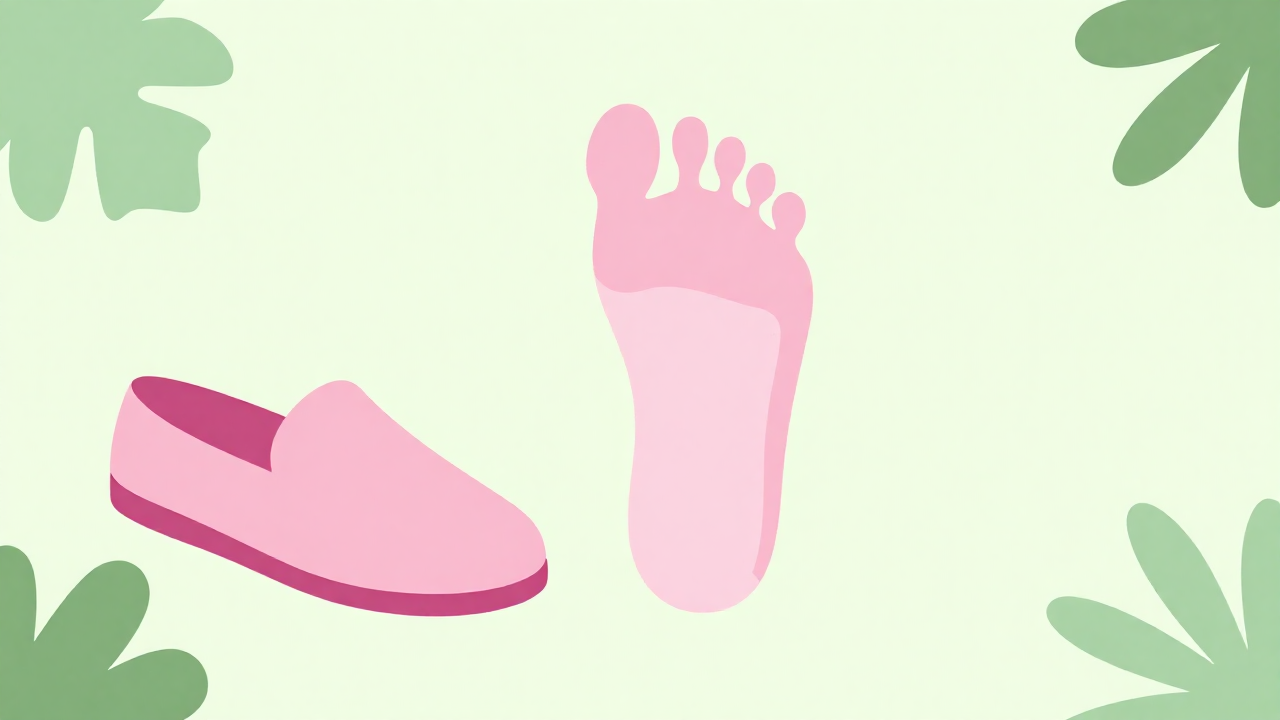
National Bunion Day, celebrated annually on April 20, offers a unique opportunity to shine a light on a common yet often overlooked foot condition. Bunions, those bony protrusions at the base of the big toe, can cause discomfort and change the way we walk. This day encourages awareness about bunions and promotes foot health, reminding us that caring for our feet is just as important as any other aspect of our well-being.
On this special day, individuals are invited to take a moment to learn about bunions, their causes, and treatment options. It’s a chance to appreciate the importance of proper footwear and the impact it can have on our overall health. Whether through sharing personal stories, seeking advice from professionals, or simply taking a few steps toward better foot care, National Bunion Day serves as a reminder that understanding and addressing our health issues can lead to happier, more comfortable lives. So, mark your calendars for April 20, and let’s step into a day dedicated to healthier feet!
History
National Bunion Day is observed annually on April 20, a day dedicated to raising awareness about bunions—those painful bony bumps that form at the base of the big toe. The origins of this observance are somewhat obscure, as there is no documented founding date or individual credited with its inception. However, the observance likely emerged from a growing awareness of foot health issues and the increasing prevalence of bunions among the general population. Conditions like bunions have been noted since ancient times, and as society became more health-conscious, it became important to highlight such common ailments.
Historically, bunions can be traced back to ancient civilizations. Early references to foot deformities appear in Greek and Roman texts, indicating that the condition has been recognized for centuries. The evolution of National Bunion Day reflects a broader trend in modern society to acknowledge and educate the public about various health conditions. Over time, the observance has transformed from a simple awareness day into a more comprehensive initiative that emphasizes preventive care, proper footwear, and the importance of seeking medical advice for foot-related issues.
Culturally, National Bunion Day serves as a reminder to prioritize foot health, which is often overlooked in discussions about overall well-being. It prompts individuals to consider how their footwear choices can impact their feet and encourages them to practice good foot hygiene. The observance also highlights the need for greater public awareness regarding the symptoms and treatment options for bunions, promoting discussions around orthopedic health and the importance of consulting healthcare providers for foot ailments.
As April 20 approaches each year, healthcare professionals, podiatrists, and organizations focused on foot health ramp up efforts to educate the public about bunions. Campaigns often include tips on choosing appropriate footwear, exercises to strengthen foot muscles, and information about possible surgical options for severe cases. National Bunion Day, while focused on a specific health issue, ultimately serves to foster a culture of awareness and proactive health management, encouraging individuals to take charge of their foot health and seek solutions for discomfort.