National Bird Feeding Month
United States
About
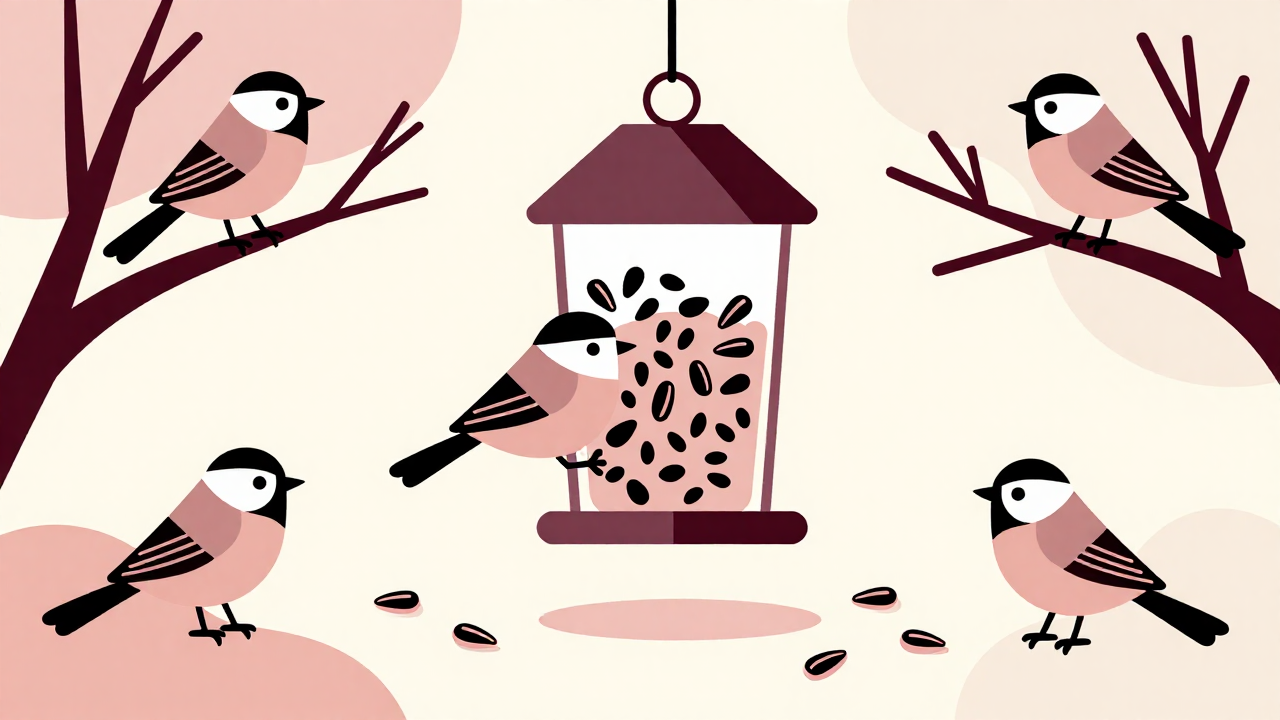
February is a time of year when nature's beauty can be celebrated in a unique way through National Bird Feeding Month. This delightful observance invites people of all ages to connect with the feathered friends that grace our backyards and parks. As winter often makes food scarce for many bird species, this month serves as a reminder to provide nourishment and support to our avian neighbors. By filling bird feeders with seeds, nuts, and other treats, we not only help sustain these creatures but also create opportunities to observe their vibrant behaviors and enjoy their cheerful songs.
Engaging in National Bird Feeding Month can be a rewarding experience for families and individuals alike. Whether you’re a seasoned birdwatcher or just starting out, taking the time to feed birds can foster a deeper appreciation for wildlife and the environment. It’s a wonderful way to learn about different bird species, as you may find yourself visited by an array of colorful cardinals, sparrows, and even the occasional woodpecker. So, this February, grab your birdseed, hang a feeder, and enjoy the simple joy of watching nature unfold right outside your window.
History
National Bird Feeding Month is observed throughout February and serves to raise awareness about the importance of feeding and caring for birds during the harsh winter months. The origins of this observance can be traced back to a recognition of the significant challenges that many bird species face in colder climates. As food becomes scarce and temperatures drop, providing supplemental feeding can be a vital source of nourishment for birds, particularly during this critical time.
The establishment of National Bird Feeding Month reflects a growing awareness and appreciation for wildlife conservation. While the exact origins of the observance are less documented, it gained traction in the late 20th century as more people began to engage with birdwatching and backyard bird feeding. Organizations dedicated to wildlife preservation and education recognized the potential of this initiative to foster a deeper connection between individuals and the natural world. By promoting bird feeding, they hoped to inspire a sense of responsibility towards the environment and the creatures that inhabit it.
Over the years, National Bird Feeding Month has evolved into an opportunity for communities to come together to celebrate nature. Various educational programs and events are held throughout February, encouraging people of all ages to participate in birdwatching and feeding activities. Schools, nature centers, and wildlife organizations often host workshops, providing information on the types of food that attract different species and how to create inviting habitats. This observance not only promotes the act of feeding birds but also emphasizes the importance of creating safe environments where they can thrive.
Culturally, National Bird Feeding Month highlights the interconnectedness of humans and wildlife. It serves as a reminder of the beauty and diversity of bird species, many of which play crucial roles in the ecosystem as pollinators and pest controllers. The observance encourages a collective appreciation for nature and fosters a sense of stewardship. By engaging in bird feeding and observation, individuals can contribute to conservation efforts while also enjoying the simple pleasure of watching these creatures in their natural habitats.