National Alligator Day
United States
About
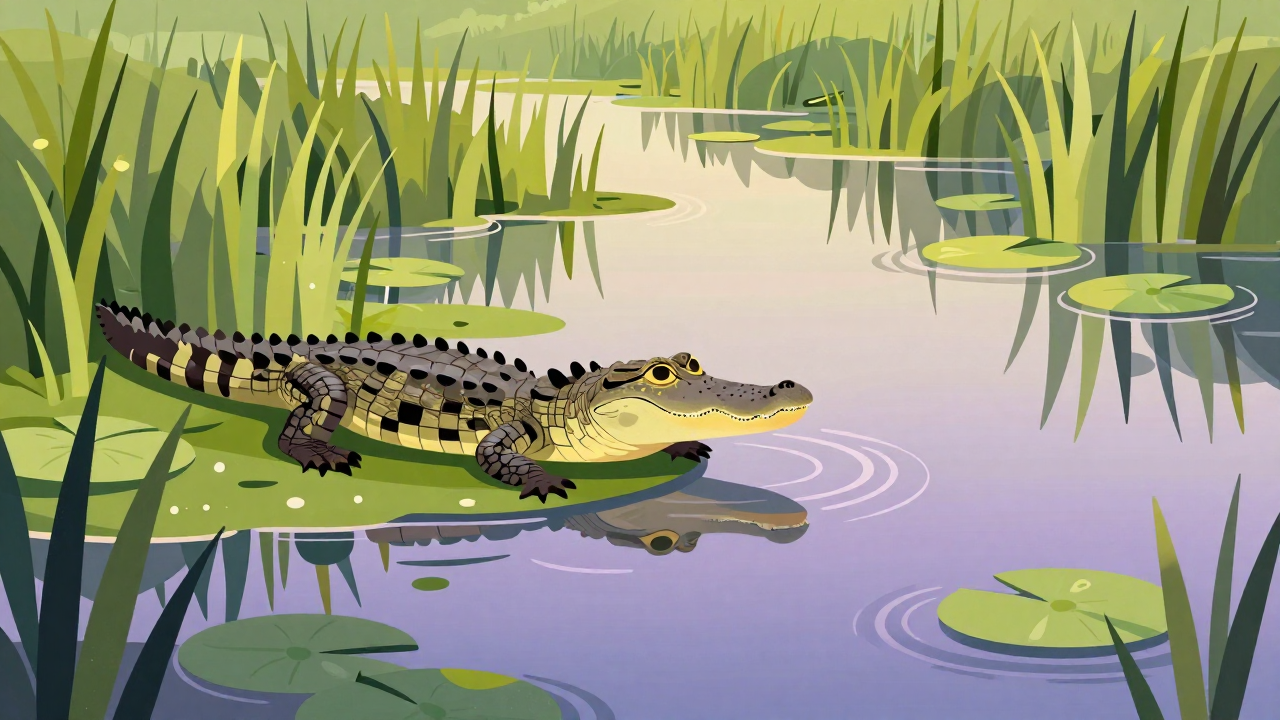
National Alligator Day, celebrated on May 29, invites us to take a moment to appreciate these fascinating reptiles that have roamed the Earth for millions of years. This special day serves not only to highlight the incredible adaptability and resilience of alligators but also to raise awareness about their vital role in maintaining the balance of our ecosystems. As one of the oldest species on the planet, alligators have a rich history that offers a glimpse into the ancient world, making them a true marvel of nature.
On National Alligator Day, enthusiasts and curious minds alike can delve into the intriguing lives of these magnificent creatures. From their unique hunting techniques to their crucial part in wetland ecosystems, alligators play a significant role in their habitats. Many communities take this opportunity to promote conservation efforts and educate the public about the importance of protecting these magnificent reptiles and their environments. So, whether you’re visiting a local swamp, watching a documentary, or simply sharing fun facts with friends, May 29 is the perfect day to celebrate all things alligator!
History
National Alligator Day, observed on May 29, is a celebration dedicated to the fascinating and often misunderstood reptiles that inhabit the wetlands and waterways of the United States, particularly in the southeastern regions. The origins of this observance can be traced back to a growing awareness of the ecological importance of alligators and the need for conservation efforts. As awareness of environmental issues increased in the late 20th century, so did the recognition of alligators as a keystone species in their ecosystems, prompting the establishment of a day to honor and educate the public about these remarkable creatures.
Over time, National Alligator Day has evolved into a platform for raising awareness about alligator conservation and the vital role they play in maintaining the health of their habitats. While the exact origins of the day are not well-documented, it gained traction in the early 2000s as part of a broader movement to promote awareness of various animal species and their conservation needs. Educational initiatives, wildlife tours, and community events have become common ways to observe this day, fostering a deeper understanding of the alligator's role in the ecosystem and the challenges it faces due to habitat loss and climate change.
Culturally, National Alligator Day serves as a reminder of the unique biodiversity found in the United States, particularly in states like Florida and Louisiana, where alligators are integral to local folklore and tourism. The day encourages people to explore their natural surroundings and appreciate the wildlife within them. It often features educational programs in schools and local communities, emphasizing the importance of respecting wildlife and preserving natural habitats. By highlighting the alligator's significance, the observance also aims to bridge the gap between humans and nature, encouraging sustainable practices that protect these ancient reptiles.
As the observance continues to grow, it becomes a crucial opportunity for conservation organizations to rally support and promote protective measures for alligators and their habitats. Through various outreach efforts, National Alligator Day not only acknowledges the importance of these reptiles but also seeks to inspire future generations to advocate for wildlife conservation. Celebrated annually on May 29, this day highlights the intersection of culture, ecology, and community, cementing the alligator's place in American heritage and natural history.