National Absinthe Day
United States, France, Switzerland
About
National Absinthe Day, celebrated on March 5, invites enthusiasts and curious souls alike to indulge in the intriguing world of this famed spirit. Absinthe, often referred to as the "Green Fairy," has a rich history that dates back to the late 18th century. This distinct anise-flavored liquor, known for its vibrant green hue, has captivated many with its mystique and allure. Today, National Absinthe Day serves as a wonderful opportunity to explore its complex flavors, discover its fascinating backstory, and perhaps even partake in the traditional ritual of preparing it with water and sugar.
As you raise a glass on March 5, take a moment to appreciate the artistry and craftsmanship involved in absinthe production. From its selection of botanicals to the meticulous distillation process, each bottle tells a story of tradition and passion. Whether you're a seasoned aficionado or new to the experience, National Absinthe Day is a chance to connect with fellow enthusiasts, share a toast, and savor the unique taste of this historic spirit. So, gather friends, explore the nuances of absinthe, and celebrate this captivating drink that has inspired countless artists, writers, and dreamers throughout the ages. Cheers!
History
National Absinthe Day is observed annually on March 5, celebrating the enigmatic and storied spirit known as absinthe. This potent green liquor, often associated with the bohemian culture of 19th-century Europe, has a complex history that intertwines with art, literature, and social movements. The origins of absinthe can be traced back to the late 18th century when it was first distilled in Switzerland. Initially marketed as a medicinal tonic, absinthe gained popularity among the French, particularly in Paris, where it became synonymous with the artistic and literary elite.
As absinthe's popularity surged, especially during the Belle Époque, it became a favored drink of famous figures such as Vincent van Gogh, Oscar Wilde, and Ernest Hemingway. This period saw the emergence of cafés and bars that served the green fairy, as absinthe was often referred to due to its distinctive color and mythos. However, the drink's increasing consumption led to concerns about its effects, particularly due to its high alcohol content and the presence of thujone, a compound derived from wormwood, one of its key ingredients. By the early 20th century, these concerns culminated in a wave of prohibition, with absinthe being banned in several countries, including France in 1915.
The revival of absinthe began in the late 20th century, as laws were relaxed and the spirit was reintroduced to global markets. March 5 was chosen as National Absinthe Day to honor this resurgence and to celebrate the drink's rich heritage. Today, distilleries around the world produce various styles of absinthe, each with unique flavors and characteristics. The observance serves as a reminder of absinthe's tumultuous journey from a beloved beverage to a banned substance and back again, highlighting its resilience and the enduring fascination it holds in popular culture.
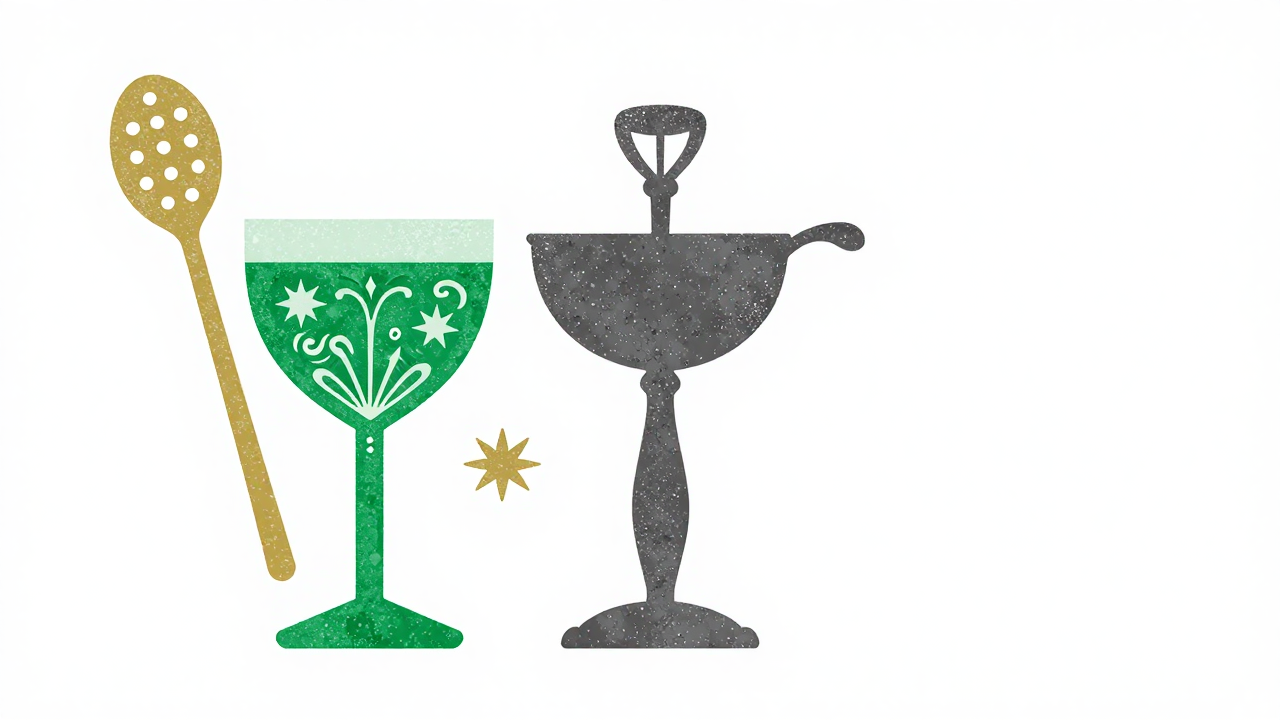
Culturally, National Absinthe Day invites enthusiasts to explore the drink's intricate preparation methods, often involving the classic ritual of pouring water over a sugar cube resting on a slotted spoon. This experience not only enhances the flavors of the absinthe but also connects drinkers to the historical practices of those who came before them. The day serves as a celebration of creativity and expression, reflecting the spirit's deep ties to the world of art and literature, making March 5 a significant date for both connoisseurs and casual drinkers alike.