Memento Mori "Remember You Die" Day
About
Memento Mori "Remember You Die" Day, observed on January 3, invites us to reflect on the transient nature of life and the importance of living meaningfully. The phrase "Memento Mori," which translates from Latin as "remember you must die," serves as a gentle reminder to cherish each moment and prioritize what truly matters. This day encourages individuals to pause their busy lives, contemplate their mortality, and embrace the beauty of the present.
Celebrated in various ways, Memento Mori Day can inspire personal rituals, such as journaling about one’s aspirations, spending quality time with loved ones, or even engaging in acts of kindness. Many find solace in meditative practices or in sharing stories that celebrate the lives of those who have passed, fostering a sense of connection and gratitude. Whether through personal reflection or communal gatherings, this observance is a heartfelt opportunity to acknowledge life’s fragility and to inspire a deeper appreciation for the journey we share.
History
Memento Mori "Remember You Die" Day is observed on January 3, serving as a poignant reminder of mortality and the inevitability of death. The phrase "memento mori," which translates from Latin as "remember you must die," has roots that trace back to ancient Rome. It was commonly used to remind individuals of their mortality and the transient nature of life. In Roman culture, this reminder was particularly significant in the context of public life, where generals would be celebrated with triumphs but were also reminded of their own mortality by a slave who would whisper "memento mori" during their parades.
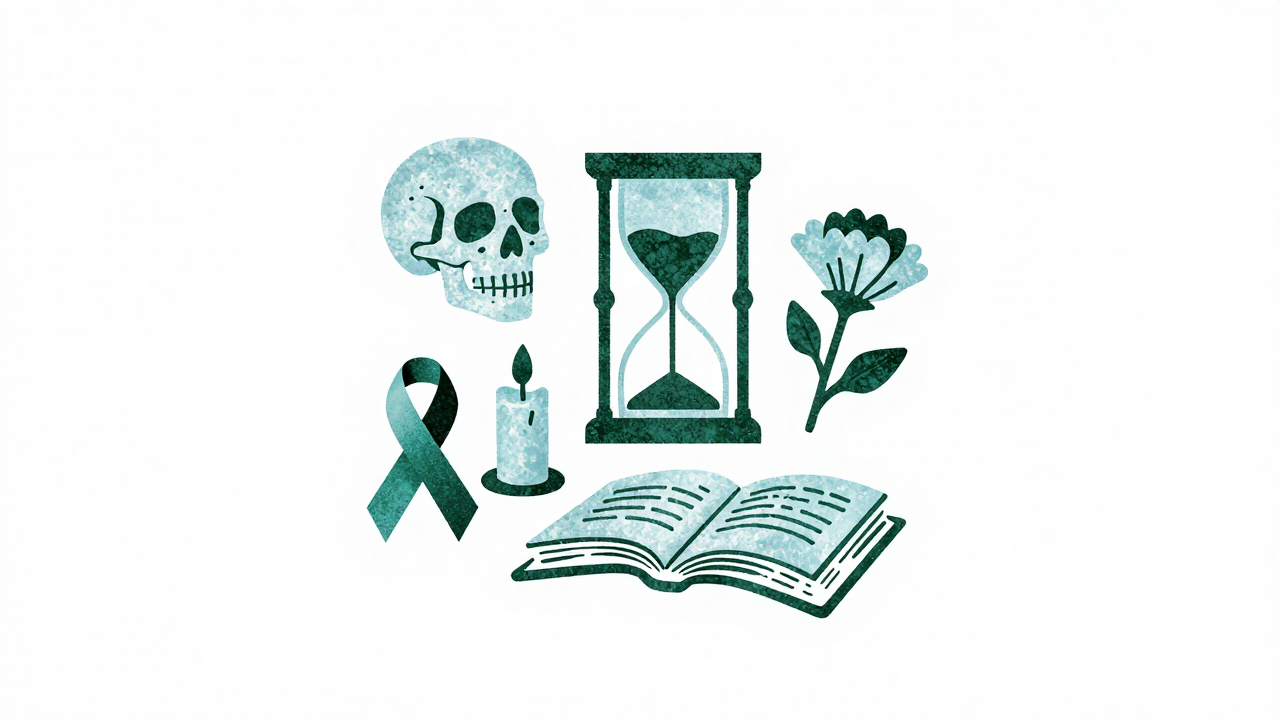
The observance of Memento Mori has evolved over the centuries, finding its place in various philosophical and artistic movements. During the Middle Ages, the concept was embraced by the Christian tradition, which viewed it as a call to live a virtuous life in preparation for the afterlife. The imagery associated with memento mori—such as skulls, hourglasses, and wilting flowers—became prevalent in art and literature, serving as visual metaphors for the fleeting nature of human existence. By the Renaissance, the notion had permeated European culture, influencing a wide array of artistic expressions, from paintings to poetry, as artists sought to explore themes of life, death, and the moral implications of human actions.
Culturally, Memento Mori "Remember You Die" Day serves as an opportunity for reflection and mindfulness. In a world often preoccupied with the hustle and bustle of daily life, this observance encourages individuals to pause and consider their priorities and the legacy they wish to leave behind. January 3, positioned at the start of a new year, symbolizes a fresh beginning and a chance to contemplate personal goals and values in light of life's impermanence. Many people engage in practices such as journaling, meditating, or participating in discussions that revolve around the significance of life and death.
As society continues to grapple with existential themes, Memento Mori "Remember You Die" Day has gained traction in modern culture, particularly in wellness and mindfulness communities. It serves not only as a reminder of mortality but also as an encouragement to seize the day and live life fully. By observing this day each January 3, individuals are invited to reflect on their lives, embrace gratitude, and foster meaningful connections with others, ultimately promoting a deeper understanding of what it means to live well in the face of life's fleeting nature.