Matariki
New Zealand
About
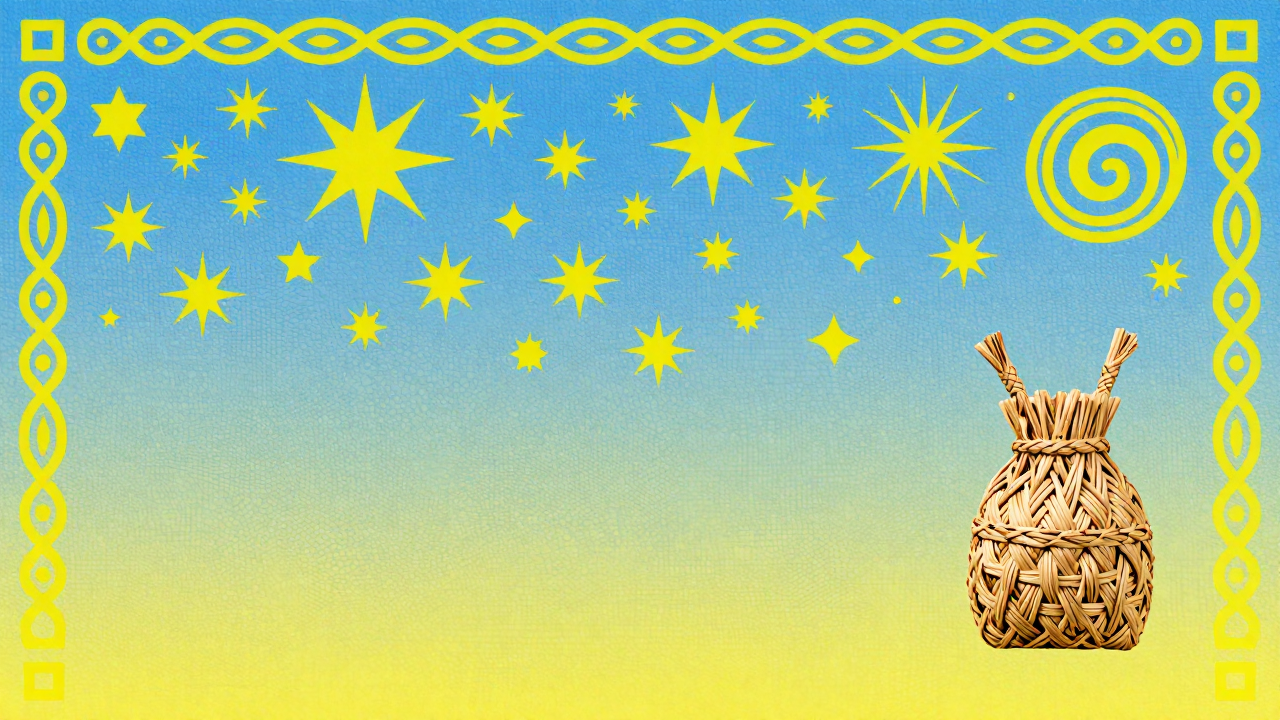
Matariki, celebrated on June 25, marks the Māori New Year and is a time of reflection, renewal, and celebration in Aotearoa, New Zealand. This beautiful observance is named after the Matariki star cluster, also known as the Pleiades, which rises in the winter sky, signaling the start of a new agricultural season. Matariki is a moment to honor the past, remember loved ones who have passed, and look forward to the year ahead with hope and positivity.
During Matariki, communities come together to share stories, enjoy traditional foods, and participate in various cultural activities. It’s a time for families and friends to gather, fostering connections and strengthening bonds. People often engage in rituals that celebrate nature and its cycles, such as planting seeds or preparing feasts that highlight the abundance of the land. As the stars twinkle in the night sky, they remind us of the importance of unity and the shared experiences that shape our lives. Celebrating Matariki is not just about marking the new year; it’s about embracing the spirit of togetherness and gratitude that enriches our communities.
History
Matariki, celebrated on June 25, marks the Māori New Year in New Zealand, heralding the winter solstice and the appearance of the Pleiades star cluster in the night sky. The name "Matariki" translates to "little eyes," referring to the bright stars that signify the start of a new agricultural cycle, traditionally associated with planting and harvest. The observance of Matariki is deeply rooted in Māori culture, where it serves not only as a time for reflection and remembrance but also as an opportunity for communities to come together in celebration of their heritage and the natural world.
Historically, Matariki was observed as a time to honor the deceased and to celebrate the living. The Māori people believed that the appearance of the Matariki stars signaled the end of one year and the beginning of another, prompting various rituals and practices aimed at ensuring prosperity for the year ahead. These included feasting, storytelling, and communal activities that reinforced familial and communal bonds. The significance of Matariki has evolved over time, especially during the colonial period when many Māori traditions were suppressed. However, in recent decades, there has been a resurgence of interest in Māori culture, leading to a revitalization of Matariki as a national observance.
Culturally, Matariki represents a time for reflection and renewal. It encourages individuals and communities to remember those who have passed away, celebrate achievements, and set intentions for the coming year. The observance is characterized by various activities, including planting, feasting, and cultural performances, which serve to reaffirm Māori identity and values. Additionally, Matariki has grown to encompass a broader interpretation, inviting all New Zealanders to participate in its celebrations, regardless of their background. This inclusivity has helped to foster a greater understanding and appreciation of Māori culture within New Zealand society as a whole.
As Matariki continues to be celebrated on June 25 each year, it stands as a testament to the resilience of Māori culture and its significance in contemporary New Zealand. The observance not only honors ancient traditions but also encourages a collective commitment to sustainability and respect for the land and its resources. In this way, Matariki serves as a reminder of the interconnectedness of life, nature, and community, making it a vital part of New Zealand's cultural landscape.