Martyrs' Day in Eritrea
Eritrea
About
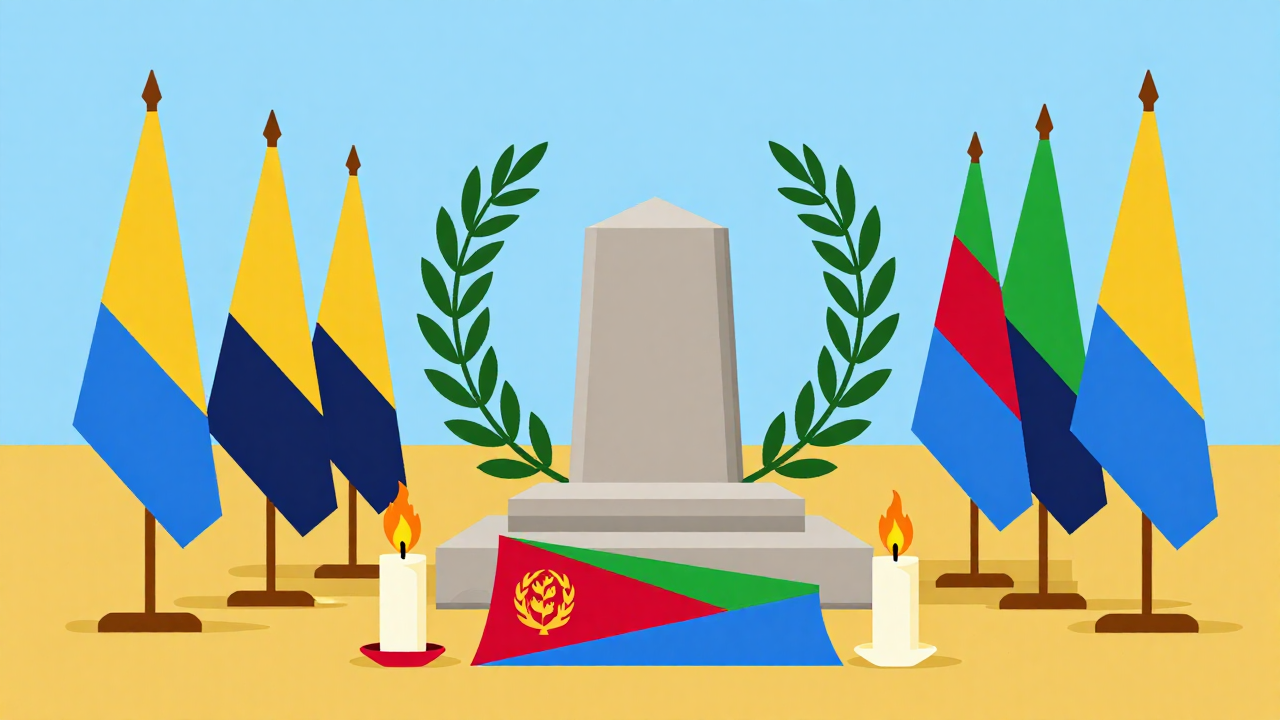
Martyrs' Day in Eritrea, observed on June 20, is a poignant and heartfelt commemoration that honors the sacrifices made by those who fought for the country's independence. This day serves as a powerful reminder of the bravery and resilience displayed by Eritreans during their struggle against oppression, particularly during the 30-year war of liberation against Ethiopia. Families and communities come together to pay tribute to the fallen heroes who laid down their lives for the freedom and sovereignty of their homeland.
Celebrations and observances on this day are imbued with deep emotion and national pride. Many Eritreans visit memorials and gravesites to reflect and express their gratitude to the martyrs. Ceremonies often include speeches, music, and cultural performances that highlight the rich history and spirit of the Eritrean people. Martyrs' Day is not just a time for remembrance; it’s an opportunity for unity and reflection on the values of courage and sacrifice that continue to inspire the nation today. As June 20 approaches, the collective memory of these heroes serves as a beacon of hope and resilience for future generations.
History
Martyrs' Day in Eritrea is observed annually on June 20, serving as a solemn remembrance of the sacrifices made by those who fought in the struggle for Eritrean independence. The origins of this observance trace back to the protracted war for liberation that began in 1961 and lasted until Eritrea achieved independence from Ethiopia in 1991. This day was officially recognized in 1994, underscoring the importance of honoring the thousands of Eritreans who lost their lives in the quest for freedom and sovereignty.
The observance of Martyrs' Day has evolved significantly since its inception. Initially, it was a grassroots movement to honor fallen fighters, but as the nation solidified its independence, it transformed into a national holiday that reflects the collective memory and resilience of the Eritrean people. The day is marked by various ceremonies, including memorial services, speeches, and cultural performances, all of which serve to reinforce national identity and unity. It is also a time for families to visit the graves of loved ones who perished during the struggle, highlighting the personal connections many have to this pivotal period in Eritrea's history.
Culturally, Martyrs' Day holds profound significance as it embodies the themes of sacrifice, resilience, and national pride. It is a day when Eritreans reflect on their shared history and the struggles that shaped their national identity. The observance promotes a sense of solidarity among citizens and reinforces the values of freedom and dignity that the martyrs fought for. Additionally, it serves as a reminder of the ongoing challenges the country faces and the importance of working towards a peaceful and prosperous future.
In contemporary Eritrea, Martyrs' Day is not only a day of remembrance but also an occasion for fostering a renewed commitment to the values for which the martyrs sacrificed their lives. As Eritreans gather to honor their fallen heroes every June 20, they reaffirm their dedication to the ideals of independence and unity that continue to shape the nation's path forward. This day stands as a testament to the enduring spirit of the Eritrean people and their ongoing journey toward a better future.