Maghi Purnima
India, Nepal
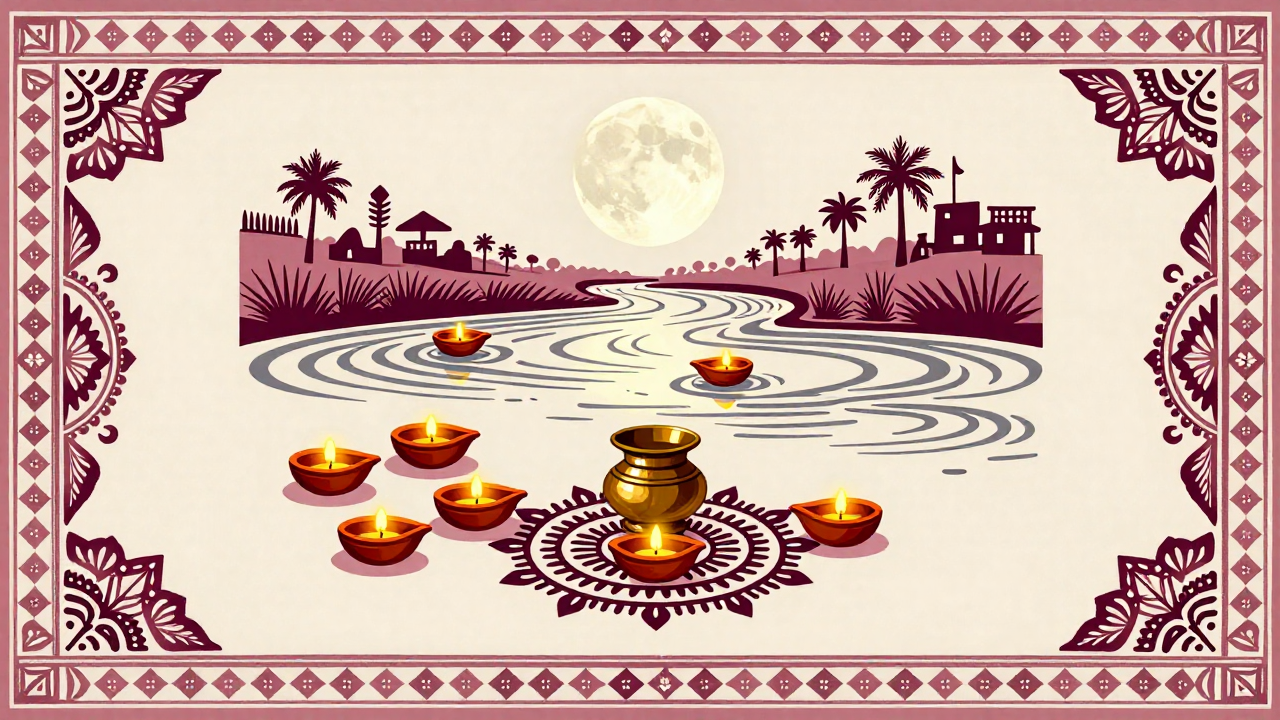
About
Maghi Purnima, celebrated on February 20, is a vibrant and meaningful observance, particularly cherished in the Indian states of Punjab and Haryana. This festival marks the full moon day of the Magha month in the Hindu calendar and is a time for reflection, gratitude, and community bonding. It holds special significance as it honors the legendary event when the great sage Drona, a pivotal character in the Mahabharata, is believed to have achieved spiritual liberation. Families come together to remember the teachings of compassion and selflessness that Drona embodied, fostering a sense of unity and love within the community.
On this auspicious day, many people participate in sacred rituals and activities, including taking holy dips in rivers, which are believed to cleanse the soul and bring blessings. Devotees often visit temples and engage in prayers, expressing their gratitude for the abundance in their lives. Additionally, it is customary to prepare and share traditional foods, emphasizing the importance of hospitality and togetherness. Maghi Purnima serves as a beautiful reminder of the rich cultural heritage and spiritual values that connect people, inviting all to celebrate the warmth of family and community.
History
Maghi Purnima, observed on February 20, holds significant cultural and religious importance, particularly among various communities in India. This observance marks the full moon day of the month of Magha in the Hindu lunar calendar and is associated with several mythological and historical events. The origins of Maghi Purnima can be traced back to ancient Hindu scriptures and traditions, where it is believed that this day is auspicious for performing rituals, particularly bathing in sacred rivers, and honoring ancestors.
Historically, Maghi Purnima has evolved to encompass a variety of practices and beliefs across different regions. It is particularly revered by the Sikh community, as it coincides with the celebration of the martyrdom of Guru Gobind Singh's sons, who are remembered for their bravery and sacrifice. Over the years, the observance has also become an occasion for community gatherings and festivities, where people come together to share food, engage in prayers, and perform charitable acts, fostering a spirit of unity and compassion.
Culturally, Maghi Purnima is significant as it symbolizes the transition from winter to spring, marking a time of renewal and new beginnings. It is a period when devotees seek spiritual cleansing and enlightenment through rituals such as taking holy dips in rivers like the Ganges or Yamuna. The observance emphasizes the importance of giving back to the community, with many individuals participating in charitable works, feeding the less fortunate, and providing support to those in need.
In modern times, Maghi Purnima continues to be celebrated with great enthusiasm, reflecting both its historical roots and contemporary values. The observance serves as a reminder of the rich cultural heritage of India, while also promoting values of service, remembrance, and spiritual growth among devotees. As it falls on February 20, this day remains a significant point of reflection and celebration for many, reinforcing the enduring legacy of faith and community in the lives of those who honor it.