Madaraka Day
Kenya
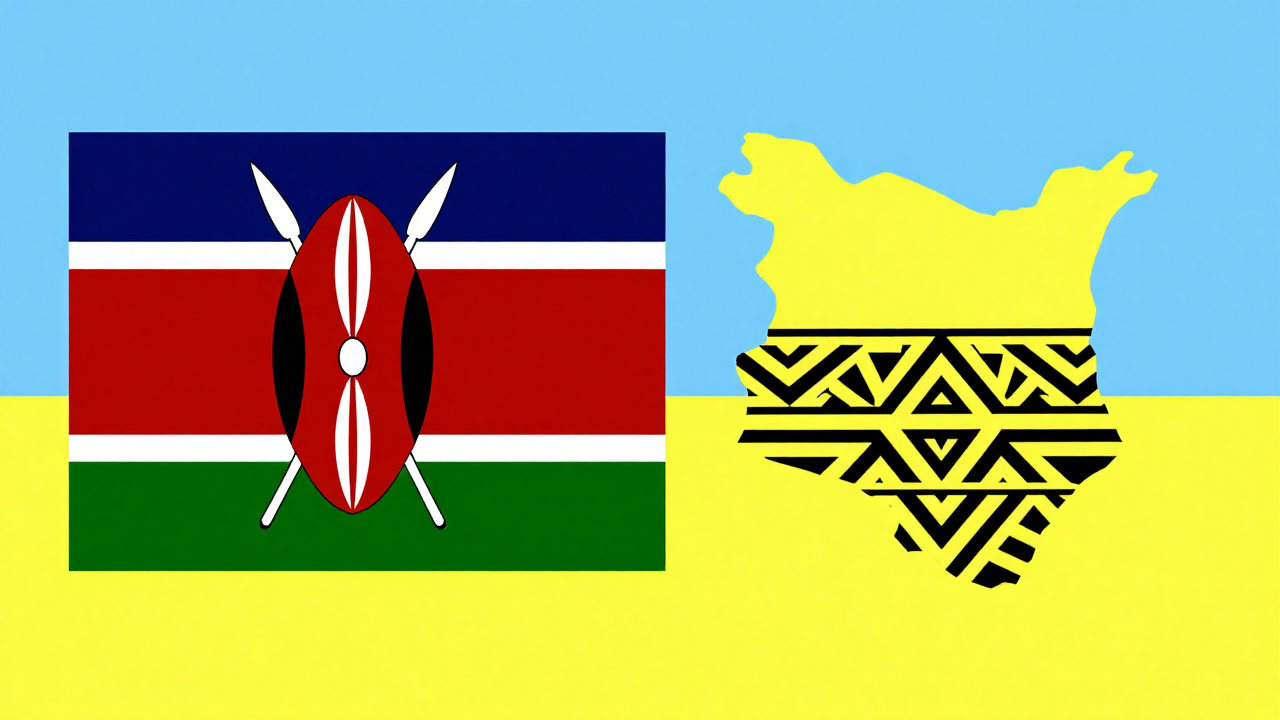
About
Madaraka Day, celebrated on June 1 each year, is a significant national holiday in Kenya that commemorates the day in 1963 when the country attained internal self-governance from British colonial rule. This momentous occasion marked the beginning of a new chapter for Kenya, as it laid the groundwork for full independence just a few months later. The term "Madaraka" translates to "power" in Kiswahili, symbolizing the newfound authority and autonomy that Kenyans embraced as they took charge of their own governance.
On this special day, celebrations are held across the nation, with various events that showcase Kenya’s rich culture and heritage. Festivities often include parades, cultural performances, and speeches by prominent leaders, highlighting the importance of unity, freedom, and the journey towards independence. As Kenyans come together to honor their history and reflect on their progress, Madaraka Day serves as a reminder of the resilience and spirit of the Kenyan people, inspiring them to continue striving for a brighter future.
History
Madaraka Day is celebrated annually on June 1 in Kenya, commemorating the day in 1963 when the country attained internal self-governance from British colonial rule. This significant milestone marked a crucial transition in Kenya's journey toward full independence, which was realized later in 1963. The term "Madaraka" translates to "power" or "authority" in Swahili, reflecting the newfound autonomy granted to the Kenyan people. The observance of this day serves as a reminder of the struggles and sacrifices made by those who fought for the country's freedom and self-determination.
The origins of Madaraka Day can be traced back to the broader context of Kenya's fight against colonialism. Following World War II, there was a surge in nationalist sentiments across Africa, including Kenya. Various political movements and figures, most notably Jomo Kenyatta, began advocating for independence and the end of colonial administration. The culmination of these efforts led to the establishment of the Kenya Independence Act in 1963, which granted the country a legislative assembly and a degree of self-governance. June 1, 1963, thus became a historic date, symbolizing the beginning of Kenya's journey towards complete independence.
Over time, Madaraka Day has evolved into a national celebration that highlights Kenya's identity, unity, and achievements. It is marked by various events, including parades, cultural performances, and speeches by political leaders, where they reflect on the nation’s progress and challenges. The day serves not only as a celebration of self-governance but also as an opportunity for Kenyans to engage in discussions about national development and the importance of democracy. Schools and communities often organize activities to educate younger generations about the significance of this day, ensuring that the history of Kenya's struggle for independence is preserved.
Culturally, Madaraka Day resonates deeply with the Kenyan populace, fostering a sense of pride and national identity. It underscores the importance of unity in diversity, as people from various ethnic backgrounds come together to celebrate their shared heritage and aspirations for the future. The observance is not just a reflection of Kenya's past but also a reminder of the ongoing journey towards achieving the ideals of freedom, justice, and equality for all Kenyans. As the nation continues to navigate the complexities of modern governance and socio-economic challenges, Madaraka Day remains a pivotal occasion for unity and reflection on the values that underpin Kenya's independence.