Mad for Plaid Month
United States, Canada, United Kingdom
About
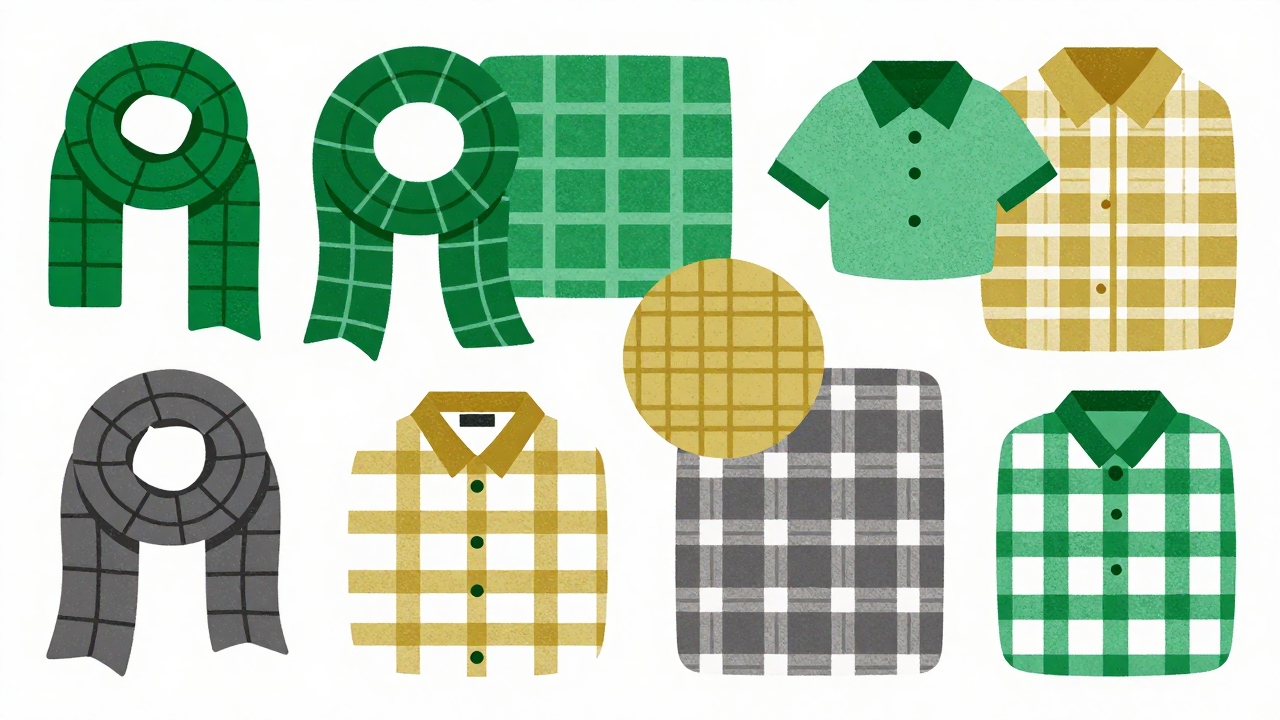
March brings a delightful celebration for fashion enthusiasts and pattern lovers alike: Mad for Plaid Month! This vibrant observance invites everyone to embrace the timeless charm and versatility of plaid patterns. From classic tartans to modern interpretations, plaid has woven its way into the fabric of our wardrobes and home decor, making it a staple that transcends trends and generations. Whether you’re sporting a plaid shirt, a cozy blanket, or even a chic scarf, this month is the perfect opportunity to showcase your favorite checked designs.
As you dive into the spirit of Mad for Plaid Month, consider exploring the rich history behind this beloved pattern. Originally associated with Scottish heritage, plaid has evolved into a symbol of camaraderie and style across the globe. This is a time to celebrate creativity and self-expression, encouraging everyone to experiment with different colors and styles. Share your plaid looks on social media or host a gathering where friends can showcase their favorite plaid pieces. Whatever you choose, let March be a joyful homage to the beloved pattern that brings warmth and character to our lives!
History
Mad for Plaid Month is an observance celebrated throughout March, dedicated to the appreciation of plaid patterns and their rich cultural history. The origins of this observance can be traced back to the early 20th century, when plaid became a prominent fashion statement, particularly in Scotland where tartan designs are deeply rooted in the country’s heritage. The term “plaid” itself is derived from the Scottish word “plaide,” which refers to a blanket or tartan cloth. This month-long celebration not only recognizes the aesthetic appeal of plaid but also honors its significance in various cultures around the world.
As plaid entered mainstream fashion, particularly in the 1950s and 1960s, it became synonymous with rebellion and individuality, especially among youth subcultures. The punk movement, in particular, embraced plaid patterns, infusing them with a sense of defiance and nonconformity. Over the decades, plaid has evolved from a traditional textile into a versatile pattern that appears in clothing, home decor, and accessories. The celebration of Mad for Plaid Month reflects this evolution, encouraging people to explore and incorporate plaid into their personal styles and lifestyles.
Culturally, plaid has significance beyond mere fashion. It represents a connection to heritage, identity, and community, particularly in regions like Scotland, where specific tartans are associated with clans and families. During Mad for Plaid Month, many engage in activities that promote cultural awareness, such as workshops on tartan weaving or events showcasing traditional Scottish music and dance. The observance fosters appreciation for the craftsmanship involved in creating plaid textiles and highlights the importance of preserving cultural traditions.
As the observance has gained popularity, it has inspired various community events, fashion shows, and social media campaigns where individuals are encouraged to share their plaid outfits and experiences. Mad for Plaid Month serves as a reminder of the enduring appeal of this iconic pattern and its ability to connect people across different backgrounds. Whether through personal expression or cultural appreciation, this month-long celebration invites everyone to embrace the charm and history of plaid.