London Marathon
United Kingdom
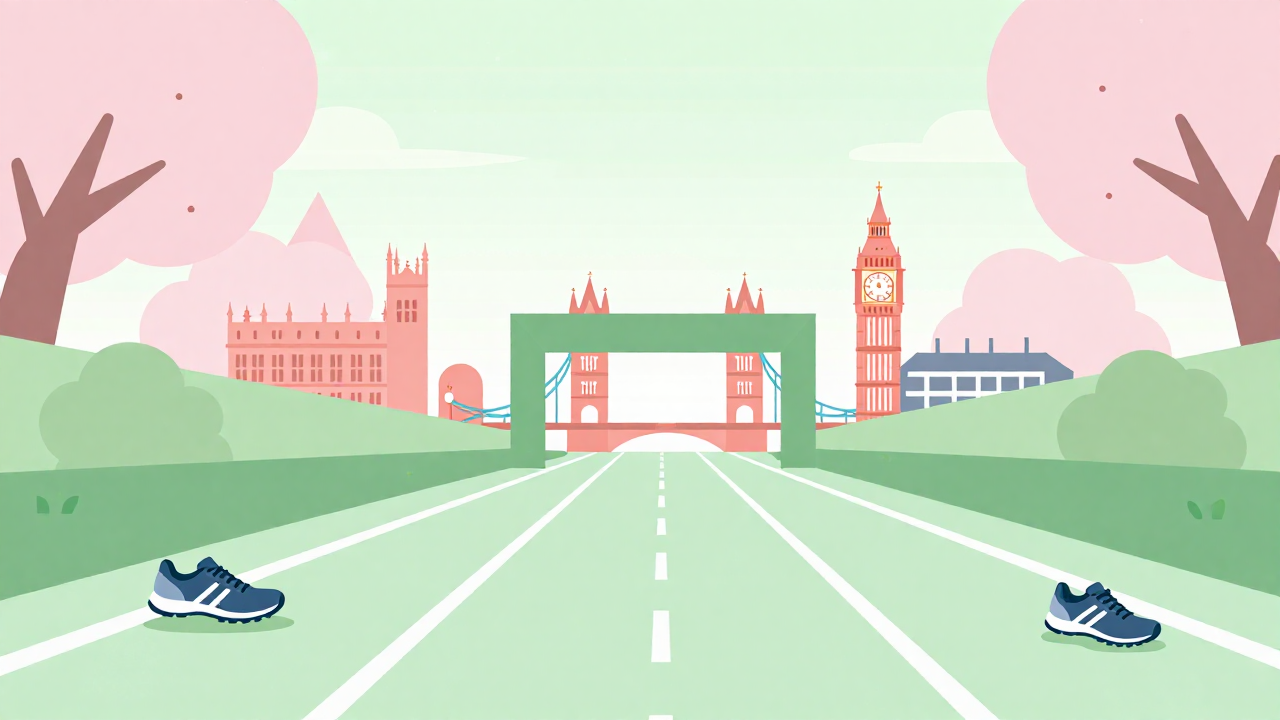
About
The London Marathon, celebrated on April 23, is a highly anticipated event that unites runners, spectators, and communities in a vibrant display of endurance and spirit. This iconic race, which first took place in 1981, has grown to become one of the largest and most prestigious marathons in the world, attracting participants from all walks of life. Whether you're a seasoned athlete or a first-time runner, the London Marathon offers an inspiring journey through the heart of one of the world’s most dynamic cities.
On this special day, thousands of runners hit the scenic streets of London, passing historic landmarks and cheering crowds. The marathon not only celebrates personal achievement but also raises significant funds for various charities, embodying the spirit of compassion and camaraderie. As participants strive to reach the finish line, they are met with encouragement and support from friends, family, and enthusiastic onlookers. The London Marathon is more than just a race; it’s a celebration of determination, community, and the human spirit, making April 23 a day of joy and inspiration for all involved.
History
The London Marathon, celebrated on April 23, is one of the most prestigious and iconic running events in the world, drawing thousands of participants and millions of spectators each year. Its origins can be traced back to the early 1980s, when British athlete Chris Brasher, inspired by the New York City Marathon, sought to create a similar event in London. The inaugural race took place on April 29, 1981, and featured around 7,000 runners, a modest number compared to the tens of thousands who would later participate. The event was initially designed as a way to promote fitness and encourage public interest in long-distance running.
Over the years, the London Marathon has significantly evolved. The race quickly gained popularity, and by its third edition in 1983, it had already attracted a field of more than 10,000 runners. The growth in participation mirrored a broader trend in the 1980s and 1990s, as running became a popular recreational activity worldwide. The event has also become a vital platform for charity fundraising, with participants raising millions of pounds for various causes. This focus on charity has helped solidify the London Marathon’s status as not just a race, but a community event that brings together people from all walks of life.
Culturally, the London Marathon holds a significant place in British society. It has become synonymous with the spirit of endurance and camaraderie, drawing both elite athletes and amateur runners alike. The race showcases London’s iconic landmarks, with the course winding through notable sites such as the Tower of London, Big Ben, and Buckingham Palace. This integration of the city’s historic sites into the marathon route enhances the experience for both participants and spectators, fostering a sense of pride and community. Additionally, the event has inspired countless individuals to take up running, contributing to a greater emphasis on health and fitness in contemporary culture.
As it approaches its anniversary each April 23, the London Marathon continues to celebrate its legacy while adapting to the changing landscape of athletics and community engagement. The event not only showcases the athletic prowess of its participants but also reflects the resilience and spirit of a city that has embraced this global phenomenon. With its rich history, commitment to charity, and cultural significance, the London Marathon remains a hallmark of endurance and a testament to the power of community.