Laylatul Qadr
Indonesia, Pakistan, India, Bangladesh, Egypt, Turkey, Saudi Arabia, Iran, Malaysia, United Arab Emirates, Jordan, Iraq, Afghanistan, Nigeria, Algeria
About
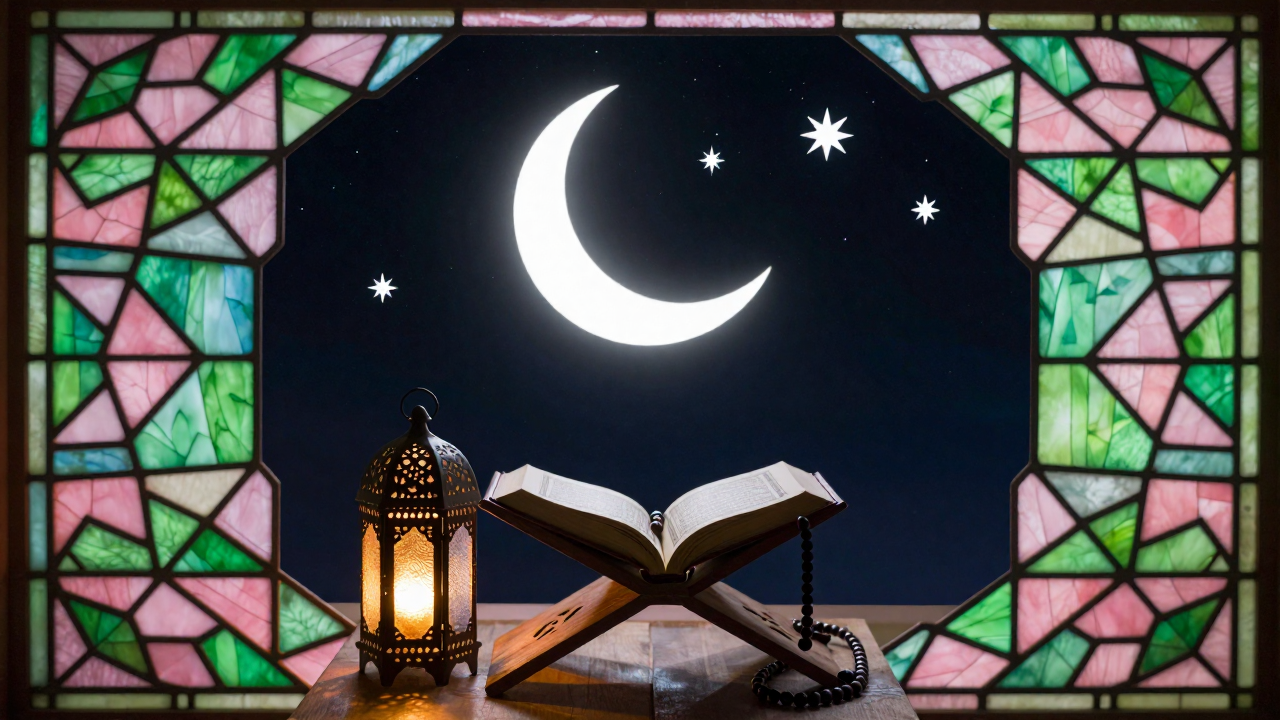
Laylatul Qadr, also known as the Night of Decree, is a deeply significant observance in the Islamic faith, celebrated on April 6. This holy night is believed to be the moment when the Quran was first revealed to the Prophet Muhammad, making it a time of profound reflection, prayer, and connection to one's faith. Observers regard Laylatul Qadr as an opportunity to seek forgiveness, guidance, and blessings, as it is said that the rewards for good deeds performed during this night are magnified beyond measure.
Communities around the world come together to mark this sacred occasion with special prayers and readings from the Quran. Many engage in acts of charity and kindness, reflecting the core values of compassion and generosity that are central to Islam. The atmosphere during Laylatul Qadr is imbued with a sense of peace and devotion, as individuals strive to deepen their spiritual connection and embrace the transformative power of faith. As April 6 approaches, families and friends gather to share in this meaningful observance, fostering a spirit of unity and hope that resonates throughout the community.
History
Laylatul Qadr, also known as the Night of Decree or Night of Power, holds significant importance in the Islamic faith as it commemorates the night when the Quran was first revealed to the Prophet Muhammad. This pivotal event is believed to have occurred during the last ten nights of Ramadan, with many Muslims specifically observing it on April 6. The exact date is not definitively established, but the spiritual essence of Laylatul Qadr is universally recognized, marking a time when the heavens are believed to be particularly open to prayers and supplications.
The origins of Laylatul Qadr can be traced back to the Quran itself, where it is mentioned in Surah Al-Qadr. The surah emphasizes the night’s greatness, stating that it is "better than a thousand months," underscoring its significance in terms of divine mercy and forgiveness. Historically, Islamic scholars have interpreted Laylatul Qadr as a night of immense spiritual significance, wherein believers are encouraged to engage in prayer, reflection, and acts of charity. The traditions surrounding this observance have remained largely unchanged since the time of the Prophet Muhammad, with practices such as recitation of the Quran, special prayers (Tahajjud), and seeking forgiveness being central to the observance.
Over time, Laylatul Qadr has evolved into a time of heightened spiritual awareness and communal gatherings within Muslim communities across the world. In many cultures, it is customary to spend the night in prayer and remembrance, often leading to various communal events that foster unity and collective worship. Many mosques organize special programs to mark the occasion, encouraging attendees to immerse themselves in spiritual activities. The observance of Laylatul Qadr has also inspired various cultural traditions, including the preparation of special meals and the sharing of food with the less fortunate, reflecting the values of charity and community support that are central to Islamic teachings.
Culturally, Laylatul Qadr signifies a moment of reflection and spiritual awakening for Muslims. The night serves as a reminder of the importance of faith, devotion, and the pursuit of knowledge, symbolizing the transformative power of the Quran. The observance fosters a sense of connection among Muslims worldwide as they participate in shared rituals, fostering both individual and communal spirituality. As April 6 approaches each year, Muslims anticipate this sacred night, embracing its potential for personal growth and a deeper connection to their faith.