Lantern Festival
China, Taiwan, Singapore, Malaysia
About
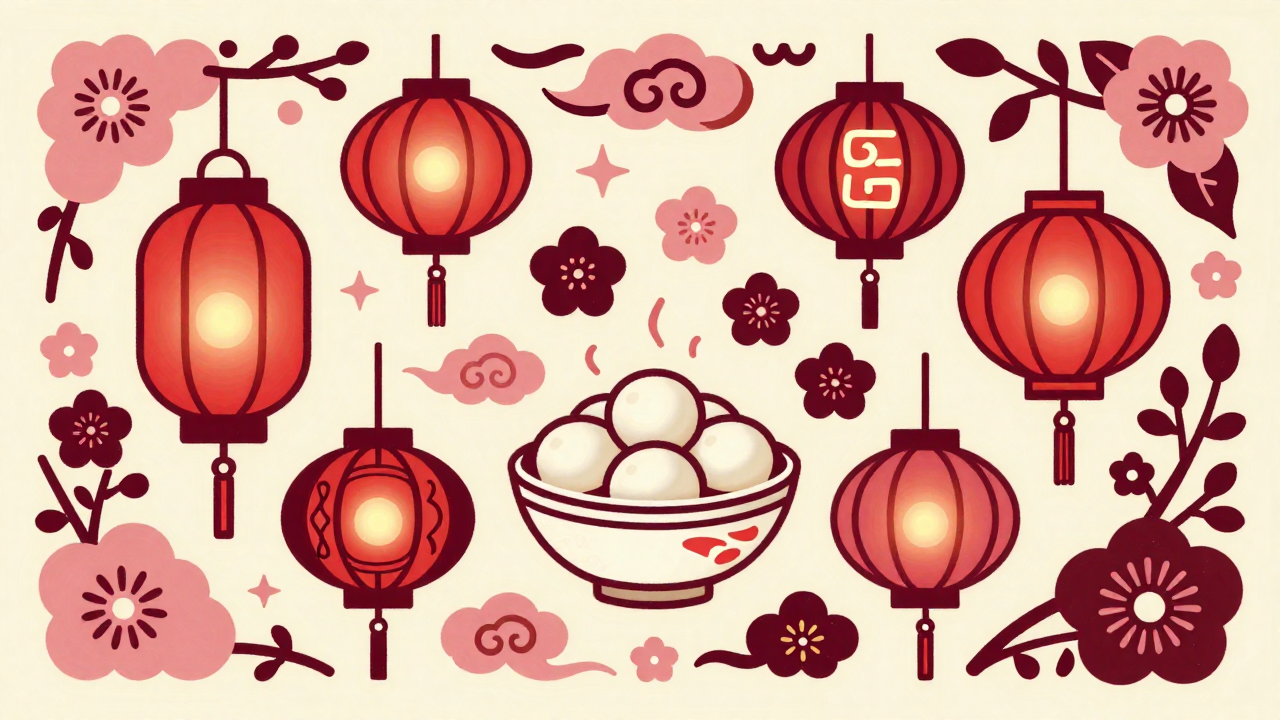
The Lantern Festival, celebrated on February 21, marks the joyous conclusion of the Lunar New Year festivities. This enchanting occasion is a time for families and communities to come together under the glow of beautifully crafted lanterns, symbolizing the return of spring and the hope for prosperity in the coming year. Traditionally, people hang colorful lanterns, often depicting zodiac animals or various auspicious symbols, and partake in delightful activities, including solving riddles written on the lanterns and savoring sweet glutinous rice balls known as tangyuan. These round treats, representing family unity, are enjoyed by many as a symbol of togetherness and happiness.
As night falls, streets and parks become a mesmerizing display of light and color, with lanterns illuminating the night sky. The Lantern Festival is not just a visual feast; it is also a celebration of cultural heritage, where families honor their ancestors while forging new memories together. Whether it’s watching lion dances or lighting sky lanterns that drift into the night, this festival encapsulates the spirit of joy, renewal, and community. So, as February 21 approaches, prepare to immerse yourself in the warmth and beauty of the Lantern Festival, a time to cherish connections and welcome the promise of brighter days ahead.
History
The Lantern Festival, celebrated on February 21, marks the culmination of the Chinese New Year festivities, traditionally occurring on the 15th day of the first lunar month. Its origins date back over 2,000 years to the Han Dynasty (206 BC – 220 AD), where it is believed that the festival was initiated as a way to worship deities and ancestors. The custom of lighting lanterns was associated with the belief in bringing good fortune and prosperity. During this time, it was customary for people to hang red lanterns outside their homes, which symbolized joy and celebration.
As the centuries progressed, the Lantern Festival evolved into a vibrant cultural celebration. By the Tang Dynasty (618-907 AD), the event had gained immense popularity, with lantern displays becoming more elaborate and artistic. The festival also began to incorporate various activities, such as lion dances, dragon dances, and traditional performances. The practice of solving riddles written on lanterns emerged during the Song Dynasty (960-1279 AD), adding an interactive element to the festivities. This evolution reflected the growing importance of community and family gatherings, as people came together to celebrate the end of the lunar New Year season.
Culturally, the Lantern Festival holds significant meaning within Chinese society. It symbolizes the reunion of families and the arrival of spring, serving as a reminder of the importance of unity and harmony. The festival is also associated with various folk traditions and legends, including the story of the Jade Emperor, who once sent a celestial creature to destroy a village. To protect themselves, the villagers lit lanterns, which ultimately led to the creature's demise. This tale emphasizes the themes of resilience and teamwork, which resonate deeply in Chinese culture.
In contemporary celebrations, the Lantern Festival continues to be an occasion marked by joy and festivity. People enjoy traditional foods such as tangyuan (glutinous rice balls filled with sweet filling), which symbolize family unity and togetherness. Lantern displays are often illuminated in public spaces, showcasing intricate designs and artistic expressions. The festival has also gained international recognition, with many cities around the world hosting their own lantern events, promoting cultural exchange and understanding. Thus, the Lantern Festival remains a cherished observance, deeply rooted in history yet continually evolving to reflect the values and traditions of modern society.