Language Movement Day
Bangladesh
About
Language Movement Day, observed annually on February 21, is a vibrant celebration that honors the importance of linguistic diversity and the struggle for language rights. This day commemorates the sacrifices made by those who fought for the recognition of their mother tongue, particularly in Bangladesh, where students lost their lives in 1952 advocating for the recognition of Bengali as an official language. Their bravery and dedication have inspired generations to stand up for their cultural identity and linguistic heritage.
On this special day, communities around the world come together to celebrate their languages and promote multilingualism as a means of fostering understanding and unity among different cultures. Events often include workshops, cultural performances, and discussions that emphasize the value of preserving endangered languages. By recognizing Language Movement Day on February 21, we not only pay tribute to the past but also encourage a future where every language is valued and nurtured, ensuring that the beauty of human expression continues to thrive.
History
Language Movement Day, observed annually on February 21, commemorates the struggle for the recognition of the Bengali language in Bangladesh and the broader Bengali culture. The observance has its roots in the Language Movement of the early 1950s, when the government of Pakistan attempted to impose Urdu as the sole national language, disregarding the linguistic rights of the Bengali-speaking majority in East Pakistan (now Bangladesh). This decision sparked widespread protests, culminating in a tragic event on February 21, 1952, when police opened fire on students advocating for the recognition of Bengali. The day became a symbol of resistance against linguistic oppression and is now observed as a day of cultural pride.
Over time, Language Movement Day has evolved into a significant cultural observance in Bangladesh and among Bengali communities around the world. The day was officially recognized in 1999 by UNESCO, which proclaimed February 21 as International Mother Language Day, acknowledging the importance of linguistic and cultural diversity. This international recognition has helped to further highlight the significance of language rights and the preservation of mother tongues globally. The observance has grown in scope, leading to various activities that promote awareness about linguistic heritage and the importance of preserving native languages.
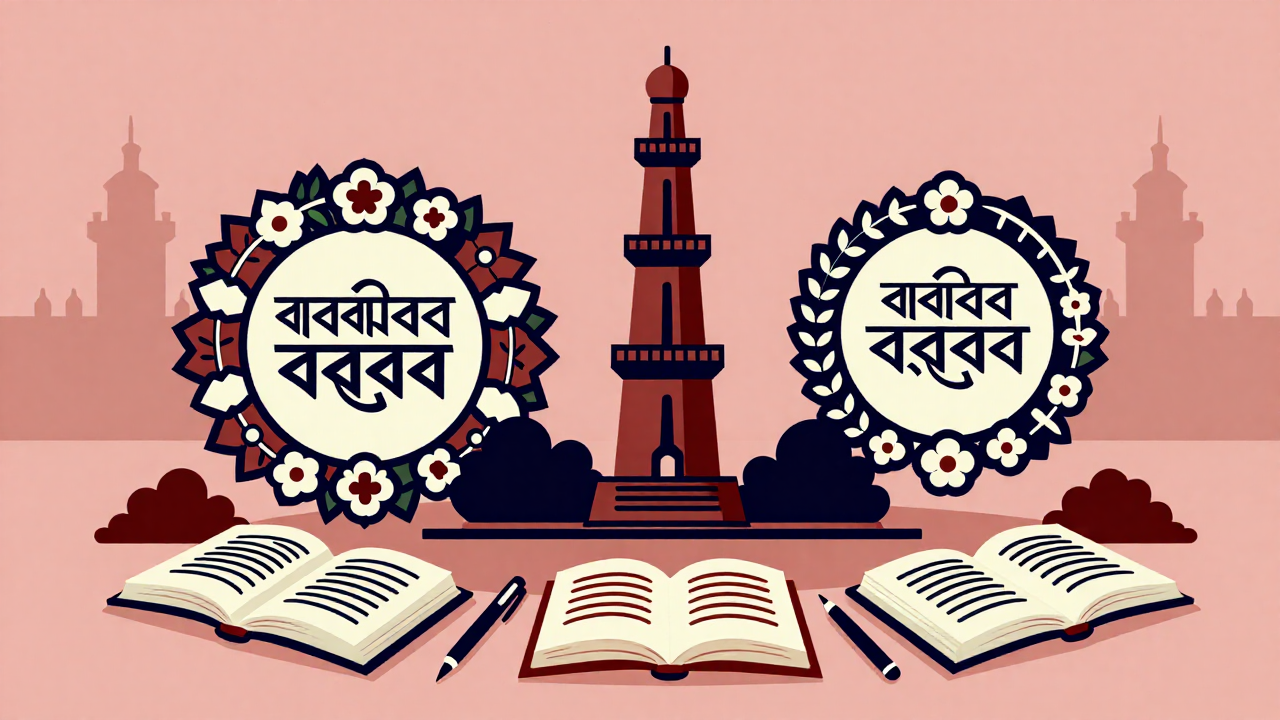
Culturally, Language Movement Day holds profound significance for the people of Bangladesh. It is a day to honor the sacrifices made by those who fought for linguistic recognition and to celebrate the richness of the Bengali language and literature. The events of February 21 are marked by various ceremonies and cultural programs, including poetry recitations, discussions, and the laying of wreaths at the Shaheed Minar (Martyrs' Monument) in Dhaka, which stands as a tribute to the martyrs of the Language Movement. The observance not only reinforces national identity but also serves as a reminder of the ongoing struggle for linguistic rights worldwide, emphasizing the importance of protecting cultural heritage.
In conclusion, Language Movement Day on February 21 is a poignant reminder of the historical struggle for linguistic recognition in Bangladesh. It serves to unite people in celebrating their cultural identity while also promoting the preservation of languages around the globe. The day stands as a testament to the power of language as a vehicle for cultural expression and the ongoing fight against linguistic discrimination.