Lailatul Barat
Indonesia, Malaysia, Pakistan, India, Bangladesh, Brunei, Turkey, Saudi Arabia, United Arab Emirates, Egypt
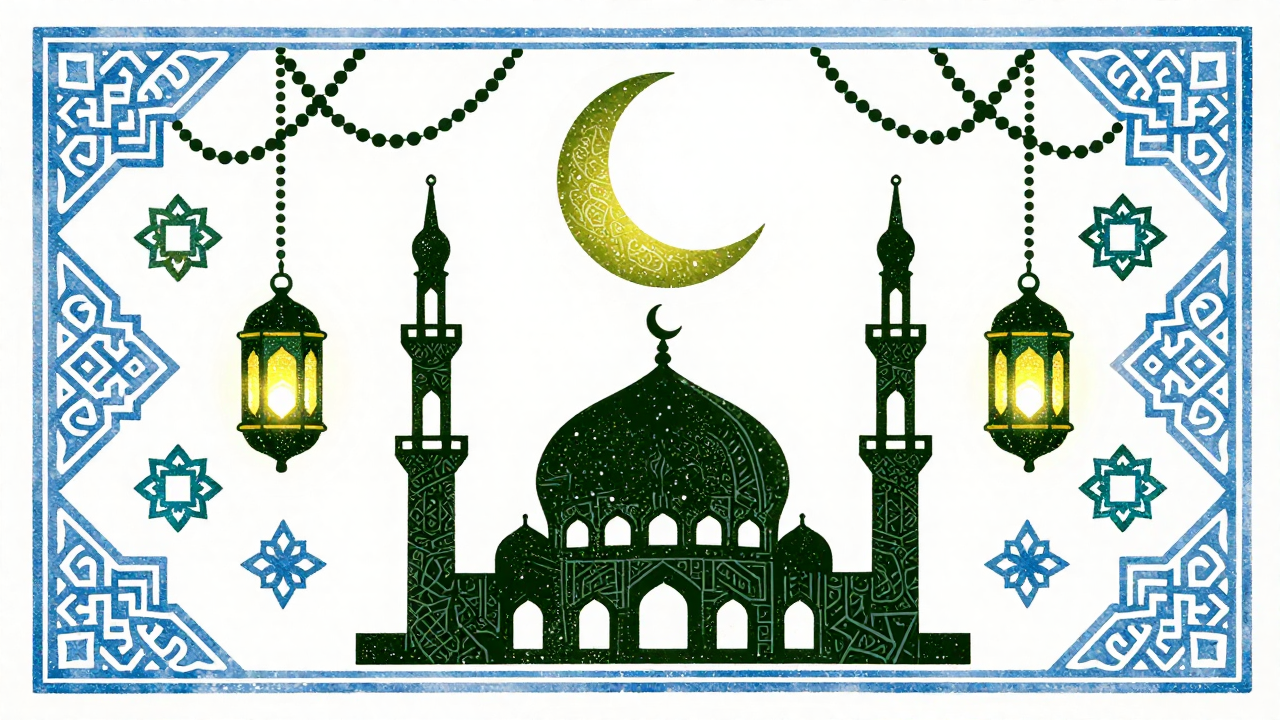
About
Lailatul Barat, observed on January 24, is a significant night in the Islamic calendar, often referred to as the Night of Forgiveness or the Night of Repentance. This special evening is believed to be when Allah grants mercy and forgiveness to those who sincerely seek it. As the moon shines brightly, Muslims around the world engage in prayers, reflection, and a deep spiritual connection, seeking to cleanse their hearts and minds in preparation for the months to come. The night is a time for introspection, allowing individuals to contemplate their actions and strive for personal growth.
Traditionally, Lailatul Barat is marked by a variety of practices that foster community and belonging. Families often come together to offer prayers, share meals, and extend their compassion to those in need. It is a time to reach out to loved ones, mend relationships, and cultivate a spirit of generosity. Observers also take this opportunity to remember those who have passed, honoring their memory through prayers and acts of kindness. As January 24 approaches, the atmosphere fills with a sense of hope and renewal, inviting everyone to embrace the power of forgiveness and the promise of a fresh start.
History
Lailatul Barat, observed annually on January 24, holds significant importance in various Islamic communities around the world. The name "Lailatul Barat" translates to "Night of Freedom" or "Night of Forgiveness." This observance falls on the 15th night of the month of Sha'ban in the Islamic lunar calendar, which occasionally aligns with January 24 in the Gregorian calendar due to the shifting nature of the lunar months. The night is believed to be a time when the faithful seek forgiveness for their sins and seek divine mercy.
The origins of Lailatul Barat can be traced back to early Islamic traditions. It is believed that on this night, Allah writes the destinies of individuals for the coming year and grants forgiveness to those who sincerely repent. The observance draws from various Hadiths, which are sayings attributed to the Prophet Muhammad, emphasizing the importance of prayer and seeking forgiveness during this special night. The historical significance of Lailatul Barat is rooted in the belief that it is a time for reflection, prayer, and the renewal of faith.
Over time, Lailatul Barat has evolved into various cultural practices across different regions. In many countries, the night is marked by special prayers and gatherings at mosques, where the community comes together to engage in reciting the Quran and performing additional prayers. Families often prepare special meals and share them with neighbors, symbolizing unity and forgiveness. In some cultures, it is also customary to engage in acts of charity, further emphasizing the themes of compassion and community support associated with this observance.
The cultural significance of Lailatul Barat extends beyond its religious roots. It serves as a reminder of the importance of forgiveness, not only in a spiritual sense but also in fostering harmony within communities. The night encourages individuals to reflect on their actions, seek reconciliation with others, and approach the coming year with a renewed spirit. As January 24 arrives each year, many Muslims around the world partake in these rituals, reinforcing their commitment to faith and community, and honoring the profound meanings behind Lailatul Barat.