Kuwait Liberation Day
Kuwait
About
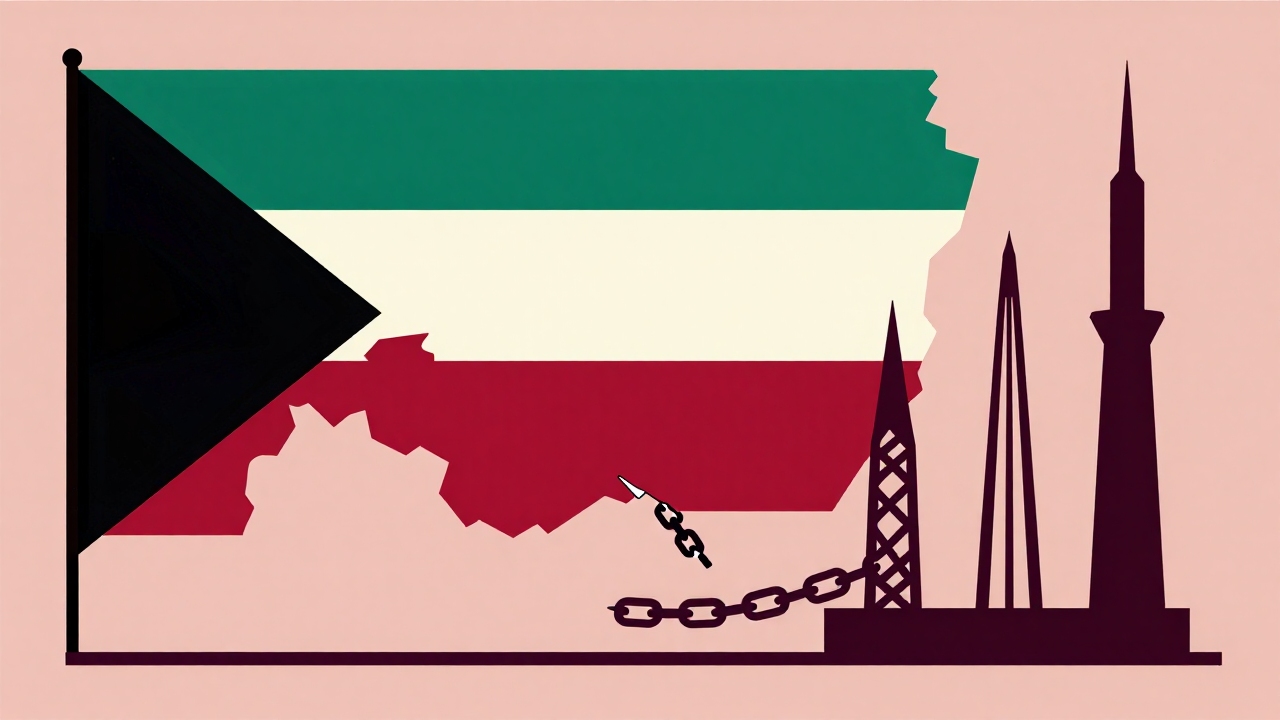
Kuwait Liberation Day, celebrated every year on February 26, is a significant occasion that commemorates the end of the Gulf War and the liberation of Kuwait from Iraqi occupation in 1991. This day is marked by a profound sense of national pride and unity as Kuwaitis reflect on their resilience and determination during a challenging period in their history. The liberation is not only a celebration of freedom but also a tribute to the sacrifices made by those who fought for the country's sovereignty.
On this day, festivities typically include parades, cultural events, and public gatherings, showcasing the rich heritage and spirit of the Kuwaiti people. Families and communities come together to honor their nation and remember the hardships endured, fostering a deep appreciation for peace and stability. As Kuwaitis wave their flags and participate in various activities, the atmosphere is filled with joy and gratitude, making Kuwait Liberation Day a truly heartfelt celebration of national identity.
History
Kuwait Liberation Day, observed on February 26, commemorates the country's liberation from Iraqi occupation in 1991 during the Gulf War. The origins of this significant day trace back to the invasion of Kuwait by Iraq on August 2, 1990, which was prompted by a complex mix of political, economic, and territorial disputes. The invasion led to widespread international condemnation and resulted in the formation of a coalition of nations, led by the United States, aimed at restoring Kuwait's sovereignty. After months of military action, known as Operation Desert Storm, coalition forces successfully liberated Kuwait on February 26, 1991, marking a pivotal moment in the region's history.
Over the years, Kuwait Liberation Day has evolved into a national holiday that not only celebrates the end of the occupation but also honors the sacrifices made by Kuwaiti citizens and coalition forces during the conflict. Initially, the day was marked by public displays of patriotism, including parades, fireworks, and various cultural events. As the years have passed, the observance has also come to include reflections on national unity and resilience, emphasizing the importance of sovereignty and the collective memory of the liberation.
Culturally, Kuwait Liberation Day holds significant importance for the Kuwaiti people. It serves as a reminder of their identity and the trials they faced during the occupation. The day fosters a sense of pride and gratitude among citizens, not only for their regained freedom but also for the support received from the international community during a time of crisis. Ceremonies held on this day often include speeches by national leaders, commemorative events, and expressions of solidarity within the Kuwaiti population.
In recent years, Kuwait Liberation Day has also taken on a broader significance as a symbol of regional stability and cooperation. The observance encourages dialogue about peace and security in the Gulf region, reflecting on the lessons learned from the past. As Kuwait continues to celebrate its liberation every February 26, the day remains a potent reminder of resilience, national pride, and the ongoing commitment to safeguarding freedom and independence.