Julian Felipe Day
Philippines
About
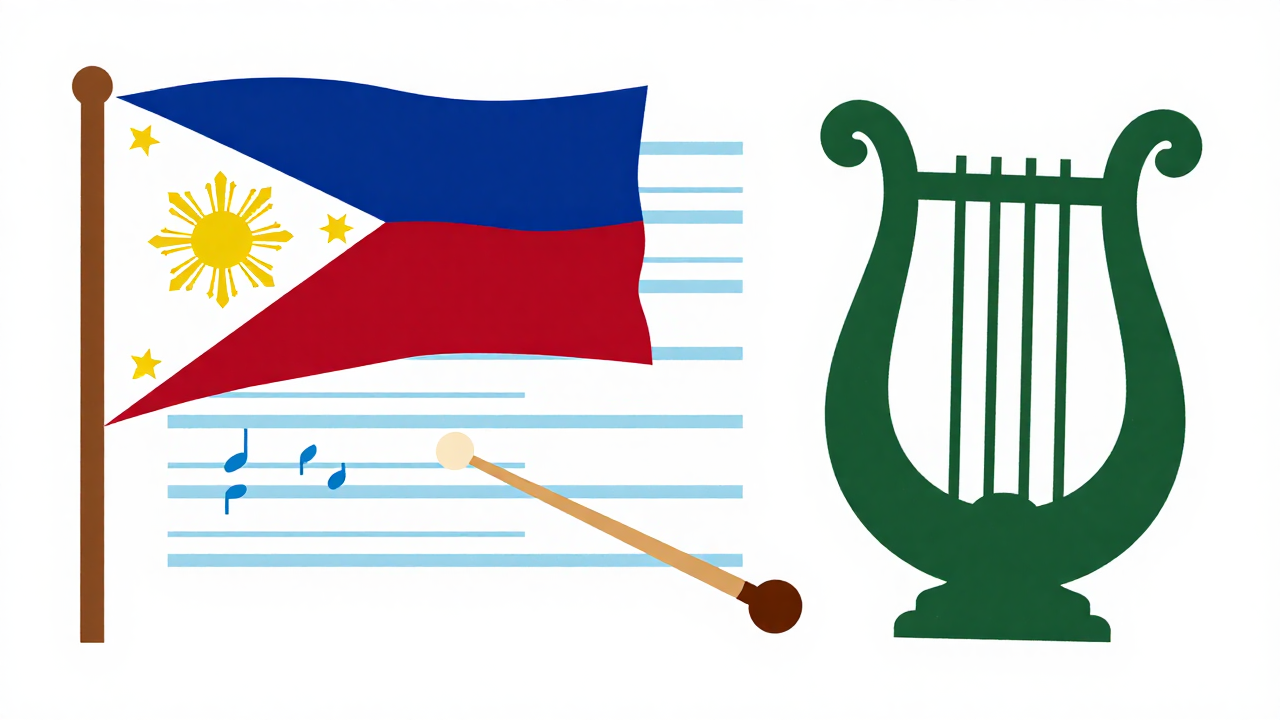
Julian Felipe Day, celebrated on January 28, is a heartfelt tribute to the renowned Filipino composer and musician, Julian Felipe. This special observance honors his remarkable contributions to the rich tapestry of Philippine music, particularly his creation of the country's national anthem, "Lupang Hinirang." Celebrated for its stirring melody and powerful lyrics, the anthem encapsulates the spirit of Filipino pride and patriotism, making Felipe's legacy an enduring part of national identity.
On this day, Filipinos reflect on the significance of music in their culture, celebrating not only Felipe's achievements but also the broader impact of artists in shaping the nation's narrative. Communities often engage in various activities, such as musical performances, educational programs, and discussions about the importance of preserving cultural heritage through the arts. Julian Felipe Day serves as a reminder of the power of music to inspire unity and patriotism, inviting everyone to appreciate the artistry that continues to resonate within the hearts of the Filipino people.
History
Julian Felipe Day is observed annually on January 28 to commemorate the birth of Julian Felipe, a prominent figure in Philippine history known for his contributions to the nation's musical heritage. Julian Felipe was born on January 28, 1861, in the town of San Fernando, La Union. He is best recognized for composing the music to the Philippine national anthem, "Lupang Hinirang." This day serves not only to honor Felipe's legacy but also to celebrate the cultural identity of the Philippines as expressed through music and art.
The origins of Julian Felipe Day can be traced back to the early 20th century, when the Philippines was establishing its identity as a nation following centuries of Spanish colonial rule. The significance of Felipe's composition of the national anthem became apparent as it became a symbol of the country's struggle for independence and national pride. As the anthem gained prominence, the need to celebrate the individuals who contributed to its creation became a focal point for educational institutions, cultural organizations, and civic groups.
Over time, Julian Felipe Day has evolved into a broader celebration of Filipino heritage and patriotism. Schools and communities engage in various activities, including musical performances, lectures, and discussions about the importance of national identity and the arts. This observance also provides a platform for the younger generation to learn about their cultural roots and the vital role music plays in uniting the Filipino people. It emphasizes the importance of remembering and honoring those who have shaped the nation's history.
Culturally, Julian Felipe Day holds significant importance as it not only honors Felipe's contributions but also serves as a reminder of the power of music in shaping national consciousness. The observance encourages Filipinos to reflect on their identity and heritage while fostering a sense of unity among the populace. As people come together to celebrate this day, it reinforces the enduring spirit of nationalism and pride in Filipino culture, inspiring future generations to appreciate and uphold their rich artistic traditions.