Iwo Jima Day
United States
About
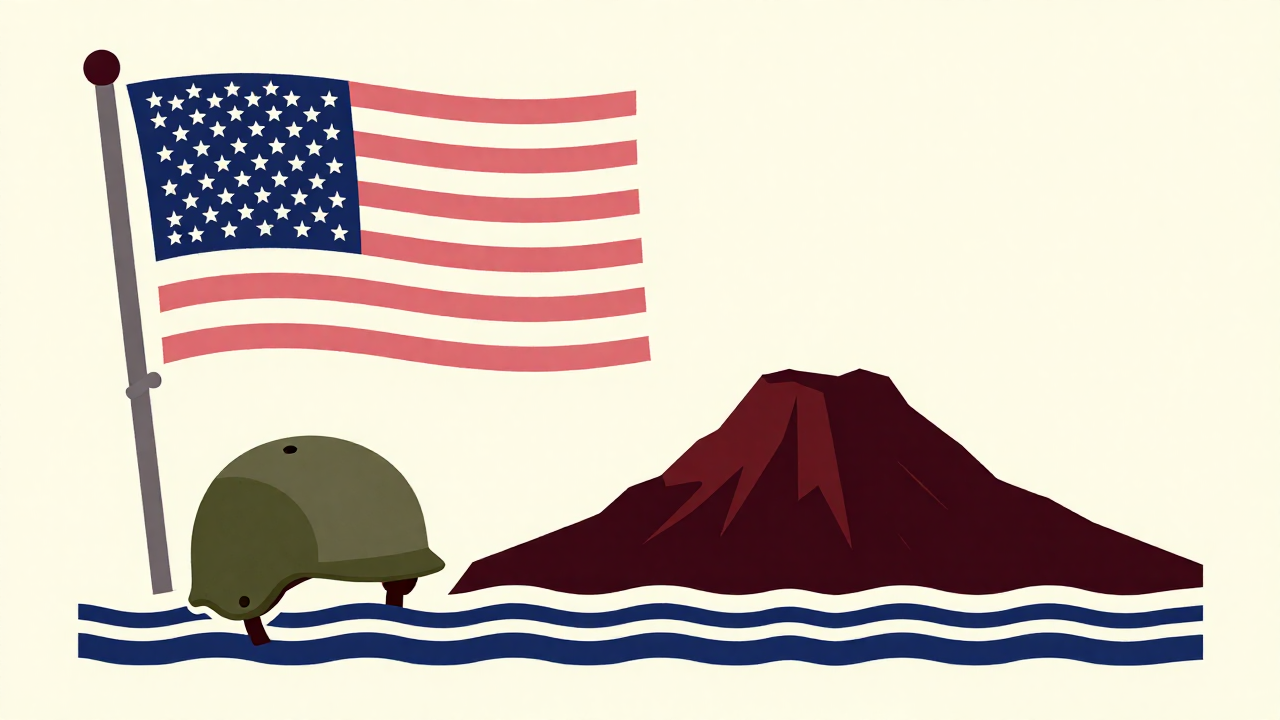
Iwo Jima Day, observed on February 19, is a poignant reminder of the bravery and sacrifice displayed during one of World War II's most significant battles. On this day in 1945, U.S. Marines landed on the small Japanese island of Iwo Jima, embarking on a fierce fight to capture strategic ground during the Pacific campaign. This day holds great historical importance, not only for its military significance but also for the iconic photograph of the Marines raising the American flag atop Mount Suribachi, a powerful symbol of hope and resilience that continues to resonate today.
As we commemorate Iwo Jima Day, we take a moment to honor the courage of those who fought and the lives that were lost in the battle. It's an opportunity to reflect on the values of bravery and sacrifice that define our shared history. Communities often come together to remember this moment, sharing stories and educating younger generations about the sacrifices made by veterans. So, on February 19, let us unite in remembrance and gratitude, ensuring that the legacy of those who served in the Battle of Iwo Jima remains alive in our hearts and minds.
History
Iwo Jima Day is observed on February 19, commemorating the significant World War II battle that took place on this small island in the Pacific Ocean. The battle began on February 19, 1945, and lasted until March 26 of the same year. It was part of the larger campaign to capture the Mariana and Palau Islands, which were crucial for the United States in its strategy to invade Japan. The battle is particularly famous for the iconic photograph taken by Joe Rosenthal, depicting U.S. Marines raising the American flag atop Mount Suribachi, which has become a symbol of American valor and sacrifice.
The origins of Iwo Jima Day can be traced back to the need to honor the bravery of the Marines and the sacrifices made during the battle. Of the approximately 70,000 U.S. Marines who landed on Iwo Jima, nearly 7,000 lost their lives, and many thousands more were wounded. The intense fighting, characterized by close combat in difficult terrain, underscored the ferocity of the conflict in the Pacific theater. As the years progressed, the observance of Iwo Jima Day started to take shape as a day of remembrance, not only to honor those who fought and died but also to educate future generations about the sacrifices made in the name of freedom.
Over time, Iwo Jima Day has evolved from a military remembrance focused on the battle itself to a broader observance honoring all veterans and their contributions to the nation. Various organizations, including veteran groups and educational institutions, have embraced the day as an opportunity to reflect on the lessons of war and the importance of peace. Commemorative events often include ceremonies, educational programs, and discussions on the historical significance of the battle and its impact on U.S. military strategy and foreign policy.
Culturally, Iwo Jima Day holds a significant place in American history as it highlights themes of bravery, sacrifice, and the complexities of war. The image of the flag-raising has transcended the specific conflict to become a symbol of national pride and resilience. Educational initiatives surrounding this day often emphasize the importance of remembering not just the battles fought but also the human stories behind them, fostering a sense of gratitude and respect for those who serve in the armed forces. As Iwo Jima Day continues to be observed annually on February 19, it serves as a poignant reminder of the costs of war and the enduring spirit of those who fight for their country.