Israel Independence Day
Israel, United States, Canada, United Kingdom, Australia
About
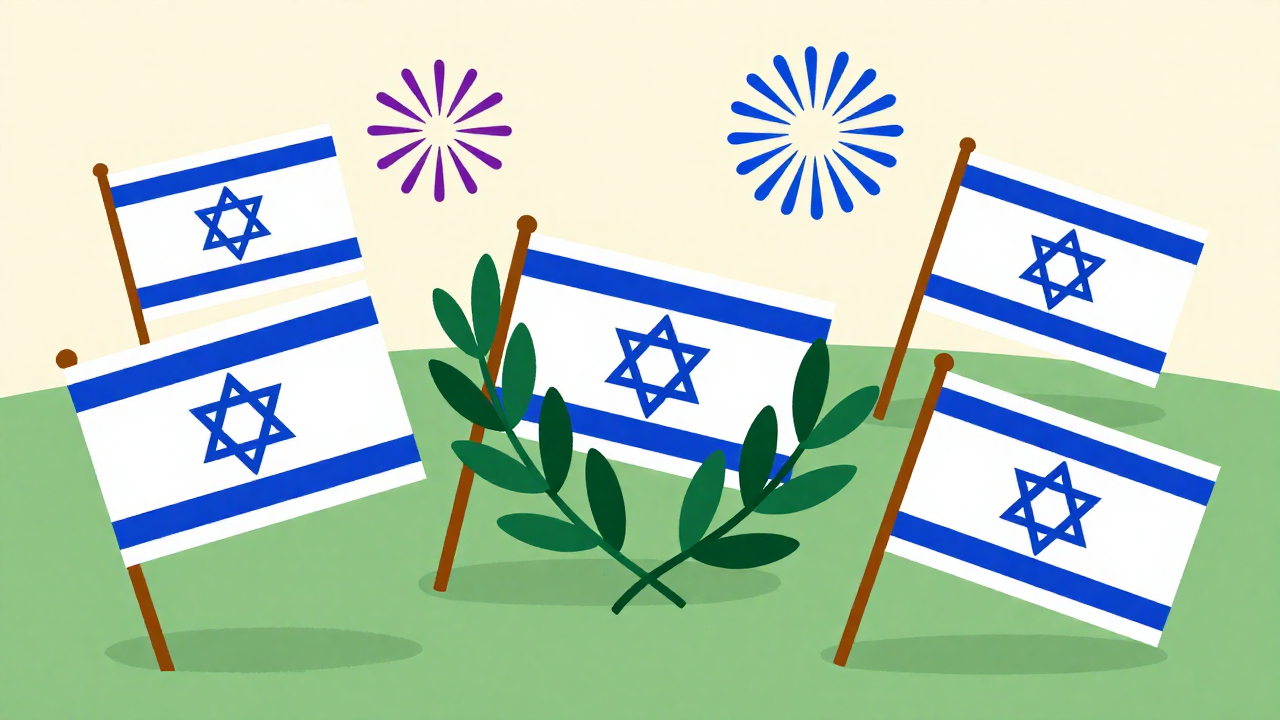
Israel Independence Day, celebrated on May 11, is a significant and joyous occasion that marks the declaration of the State of Israel in 1948. This day is a heartfelt tribute to the resilience and determination of the Jewish people, who have long sought a homeland where they can thrive in peace and security. As the sun rises on this special day, festivities begin with a range of activities that reflect both the history and the vibrant culture of Israel.
Throughout the day, communities come together to celebrate with barbecues, music, and various cultural performances. Public ceremonies, parades, and fireworks light up the night sky, creating an atmosphere of unity and pride. Families and friends gather to share stories of their heritage while honoring the sacrifices made for the establishment of the nation. Israel Independence Day is not just a day of remembrance; it’s a celebration of hope, renewal, and the enduring spirit of a people dedicated to their homeland.
History
Israel Independence Day, known in Hebrew as Yom Ha'atzmaut, is a significant national holiday observed annually on May 11. This day commemorates the declaration of the establishment of the State of Israel, which took place on May 14, 1948. The origins of this observance are deeply rooted in the historical and cultural aspirations of the Jewish people for self-determination and statehood in their ancestral homeland.
The declaration of independence was made by David Ben-Gurion, the head of the Jewish Agency, in Tel Aviv, just as the British Mandate over Palestine was set to expire. This moment marked a pivotal turning point in Jewish history, following decades of political and social movements aimed at establishing a Jewish state. The declaration was met with immediate conflict, as neighboring Arab states opposed the establishment of Israel, leading to the Arab-Israeli War of 1948. The subsequent victory of Israeli forces solidified the nascent state's existence and laid the groundwork for the annual celebration of Israel Independence Day.
Over the years, Yom Ha'atzmaut has evolved from a day of solemn remembrance of the struggles faced to establish the state into a broader celebration of Israeli culture and achievements. Initially observed quietly, the holiday now features a variety of festivities, including parades, fireworks, and public gatherings. It has become a day for Israelis to express national pride, reflect on their history, and celebrate the diverse tapestry of cultures within the country. Activities often include barbecues, communal meals, and musical performances, fostering a sense of unity among citizens.
Culturally, Israel Independence Day holds immense significance as it represents the culmination of the Jewish people’s aspirations for sovereignty and security after centuries of diaspora and persecution. It serves as a reminder of the resilience and determination of those who fought for the establishment of the state. The day also invites reflection on the ongoing challenges faced by Israel and the complex realities of coexistence in the region. As Israel continues to navigate its identity in a modern context, Yom Ha'atzmaut remains a cornerstone of national pride and cultural expression, celebrated with enthusiasm on May 11 each year.