International Wealth Mentality Month
About
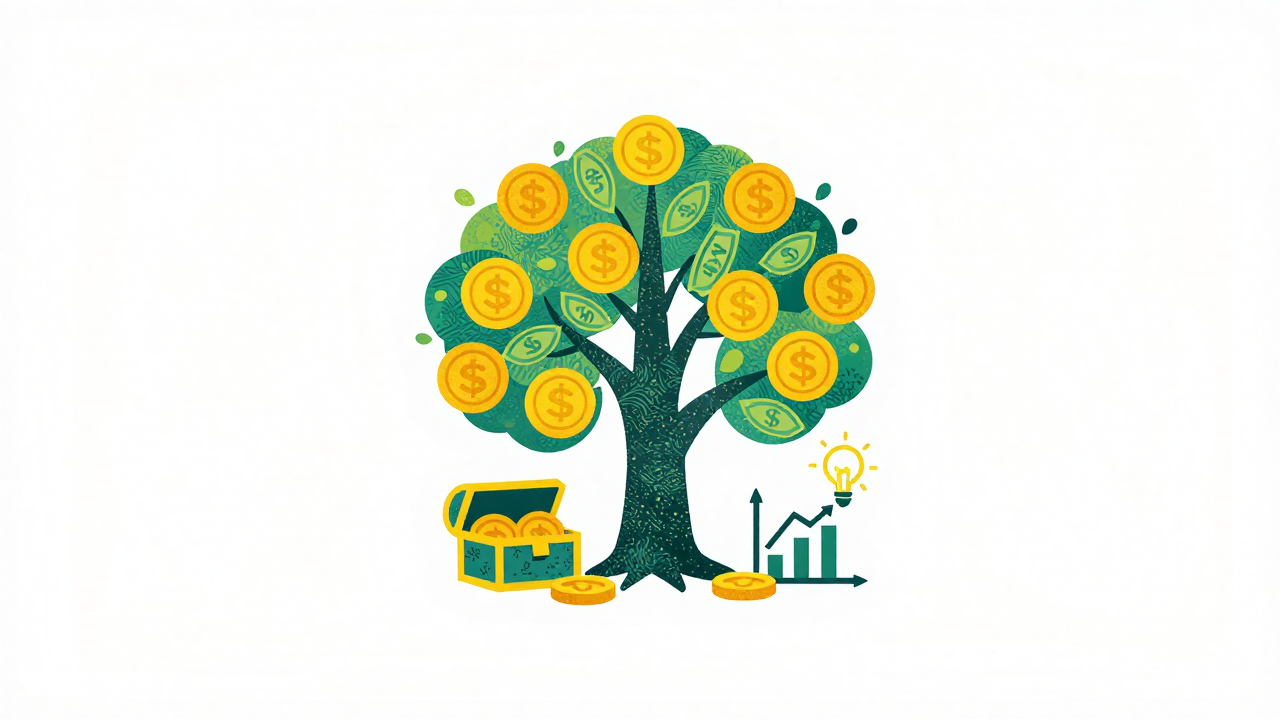
International Wealth Mentality Month is a time for reflection and growth, encouraging individuals to cultivate a mindset centered around abundance and prosperity. Throughout January, people are invited to explore their beliefs about wealth, success, and financial well-being. This observance emphasizes the importance of developing a positive relationship with money, fostering a mindset that attracts opportunities and encourages personal growth.
As we embark on a new year, this month serves as a reminder to set intentions not only for financial goals but also for personal development and self-improvement. It’s a chance to engage in conversations about financial literacy, share resources, and inspire one another to adopt habits that lead to greater financial freedom. By embracing the principles of abundance, individuals can open themselves up to new possibilities, paving the way for a prosperous year ahead. Whether through workshops, discussions, or self-reflection, International Wealth Mentality Month invites everyone to envision their financial future with hope and confidence.
History
International Wealth Mentality Month is observed throughout January and serves as a time for individuals to reflect on their financial habits and attitudes towards wealth. The observance emphasizes the importance of developing a positive mindset regarding financial prosperity and success. Its origins can be traced back to a growing recognition in the late 20th century of the psychological factors that influence financial decision-making. As personal finance became a more prevalent topic of discussion in media and education, the concept of wealth mentality began to gain traction among financial advisors and motivational speakers.
Over the years, International Wealth Mentality Month has evolved to include a variety of activities aimed at promoting financial literacy and personal growth. Workshops, seminars, and online courses are often offered during this month, encouraging participants to cultivate positive financial behaviors and develop strategies for achieving their financial goals. As awareness of mental health and wellness has increased, the observance has also come to encompass broader discussions about the intersection of mental well-being and financial success, highlighting how one's mindset can directly affect their financial outcomes.
Culturally, this observance holds significance in encouraging individuals to shift their perceptions of wealth from purely materialistic views to a more holistic understanding that includes emotional, social, and psychological dimensions. In many communities, especially those with historically marginalized populations, International Wealth Mentality Month serves as a platform for addressing systemic barriers to financial success and fostering a sense of empowerment among participants. By promoting a wealth mentality, the observance aims to inspire a generation that values financial education and seeks to create opportunities for themselves and others.
Ultimately, International Wealth Mentality Month presents an opportunity for introspection and proactive engagement with financial well-being. As individuals reflect on their financial habits and aspirations throughout January, the observance fosters a community-focused environment that champions growth, resilience, and a positive approach to wealth. This focus on cultivating a wealth mentality is not only about improving personal finances but also about creating a supportive culture that encourages shared knowledge and resources for achieving financial success.