Indian Republic Day
India
About
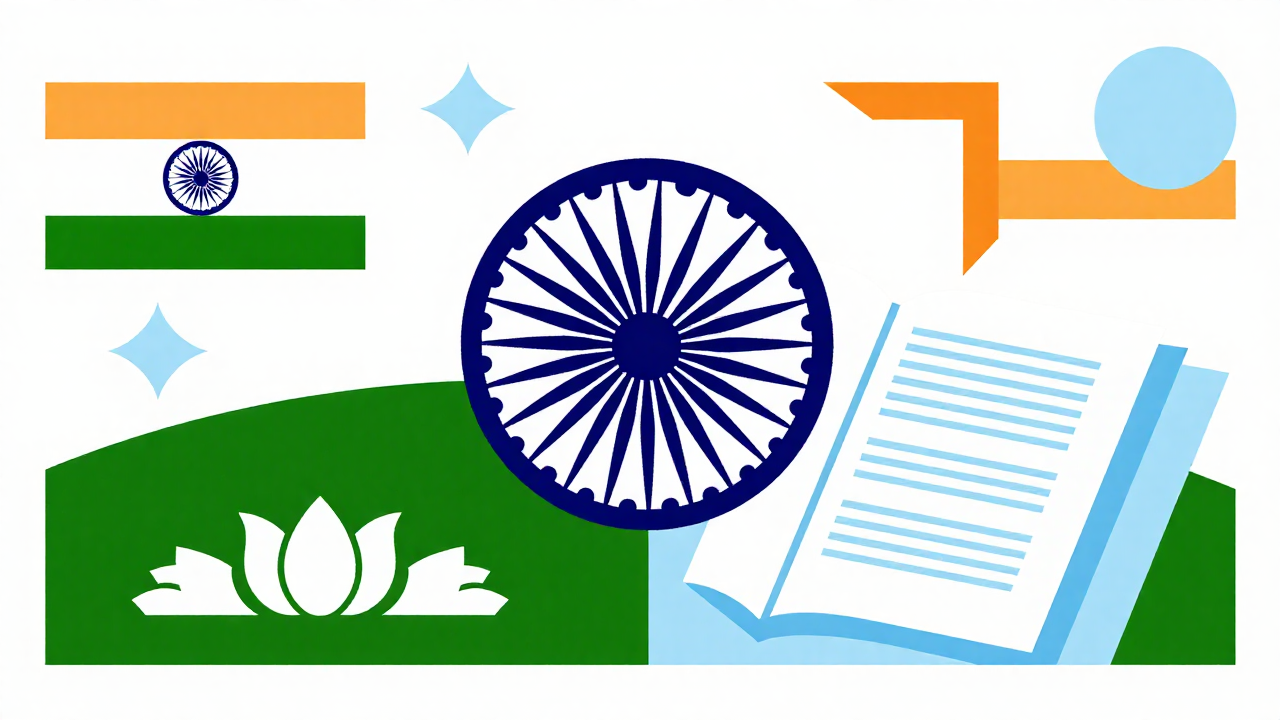
Indian Republic Day, celebrated on January 26 each year, marks a significant milestone in the history of India. This special day commemorates the adoption of the Constitution of India in 1950, which transformed the nation into a sovereign republic. It is a moment of pride for Indians, as it reflects the values of justice, liberty, equality, and fraternity that are enshrined in the Constitution. The day serves as a reminder of the struggles and sacrifices made by countless individuals who fought for the country’s independence and the establishment of a democratic framework.
Festivities on Republic Day are vibrant and filled with nationalistic fervor. The highlight of the celebration is the grand parade held in the capital city of New Delhi, showcasing India's cultural diversity and military prowess. Colorful floats, traditional dance performances, and the march of armed forces captivate audiences both in person and through broadcasts, uniting citizens across the nation in a shared sense of patriotism. Schools, communities, and organizations also partake in various programs to honor the spirit of the day, fostering a deeper understanding of the Constitution and its significance. On January 26, people come together to celebrate their identity and reaffirm their commitment to the values that make India a flourishing democracy.
History
Indian Republic Day is celebrated annually on January 26, marking a significant milestone in the nation’s history. The origins of this observance date back to 1947, when India gained independence from British rule. However, it was on January 26, 1950, that the Constitution of India came into effect, officially transforming the nation from a British dominion into a sovereign republic. This day was chosen to honor the Purna Swaraj Declaration of 1930, which proclaimed complete independence from British rule, emphasizing the aspirations of the Indian independence movement.
Over the years, Indian Republic Day has evolved into a grand celebration of national pride and unity. Initially, the day was marked with a ceremonial parade in New Delhi, which showcased India’s military strength and cultural diversity. The first Republic Day parade took place in 1950, and since then, it has become an annual tradition. The event features a display of various cultural performances, marching contingents from the armed forces, and vibrant floats representing different states, emphasizing the rich tapestry of India's heritage. In addition to the main celebrations in the capital, various states and cities across the country also hold their own events, fostering a sense of community and collective identity.
Culturally, Indian Republic Day holds immense significance as it symbolizes the values enshrined in the Constitution, such as justice, liberty, equality, and fraternity. It serves as a reminder of the struggles and sacrifices made by countless individuals during the fight for independence and the subsequent establishment of a democratic framework. Schools and educational institutions often conduct special programs to instill a sense of patriotism in the younger generation, highlighting the importance of civic duties and responsibilities.
In summary, Indian Republic Day on January 26 is not just a commemoration of the country's constitutional framework but also a celebration of its diverse cultural heritage and democratic ideals. As it continues to evolve with time, the observance remains a poignant reminder of India’s journey towards self-governance and the enduring spirit of its people. The day is celebrated with enthusiasm and pride, reinforcing the identity of India as a democratic republic and fostering unity among its citizens.