Imbolc
Ireland, United Kingdom, United States, Canada, Australia
About
Imbolc, celebrated on February 1, marks a beautiful transition in the seasonal calendar, welcoming the first hints of spring. This ancient festival, rooted in Celtic traditions, is a time to honor the goddess Brigid, who embodies fertility, healing, and inspiration. As the days gradually lengthen, Imbolc symbolizes the awakening of the earth after the long winter months, encouraging communities to come together in joy and reflection. It's a moment to celebrate the returning light and the promise of new beginnings, making it a cherished occasion for many.
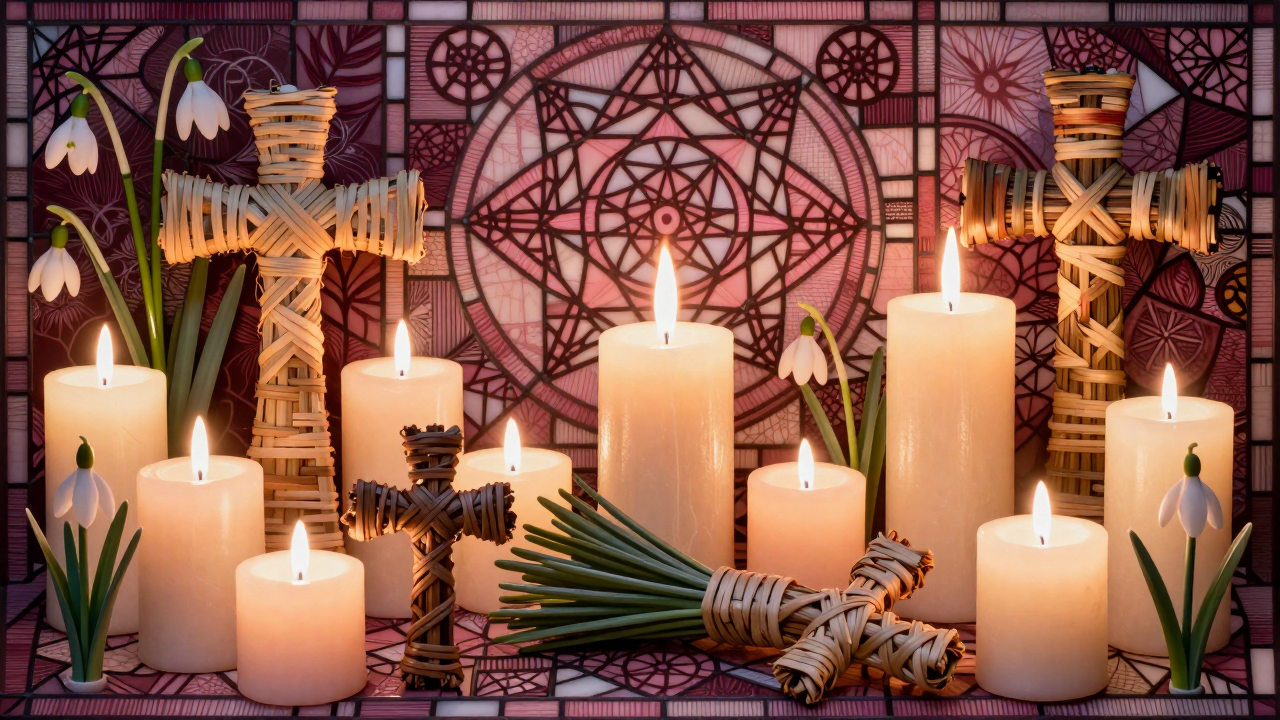
During Imbolc, people engage in various customs that highlight the themes of purification and renewal. Homes are often cleaned and decorated, symbolizing the clearing away of the old to make space for the new. Additionally, candles are lit to represent Brigid’s light, adding warmth and brightness to the lingering chill of winter. As families gather to share stories and partake in special foods, Imbolc fosters a deep sense of connection to one another and to nature, reminding us of the cycles of life and the importance of hope as we transition into a season of growth and abundance.
History
Imbolc, celebrated on February 1, is a traditional Gaelic festival marking the midpoint between the winter solstice and the spring equinox. Its origins can be traced back to ancient Celtic customs, where it was likely a time for the purification of the home and the welcoming of spring. The name "Imbolc" is derived from the Old Irish word "imbulc," which means "in the belly," possibly referencing the pregnancy of ewes during this time, as lambing season begins. This connection to fertility and renewal underscores the festival's significance in agrarian societies that relied heavily on livestock.
As Christianity spread through the Celtic regions, many pagan traditions were integrated into Christian observance. Imbolc became associated with St. Brigid, a revered figure in both pagan and Christian traditions. St. Brigid's Day, also celebrated on February 1, honors her life and contributions, particularly her role as a nun, abbess, and founder of several monasteries in Ireland. The convergence of the pagan festival and the Christian saint allowed Imbolc to evolve, maintaining its roots in the celebration of light and renewal while adopting new religious significance.
Culturally, Imbolc signifies a time of hope and anticipation as the days begin to lengthen and the harshness of winter starts to wane. Traditionally, people would light candles and fires to symbolize the return of light, reflecting the growing strength of the sun. Rituals often included the weaving of Brigid's crosses from rushes, which were hung in homes for protection and blessings. The festival also served as a time for divination practices, allowing communities to forecast the coming season's fortune.
Over time, Imbolc has experienced a revival among modern pagans and those interested in Celtic traditions, who celebrate it with various customs that honor both its ancient roots and contemporary meanings. Today, it is recognized as a time for reflection, renewal, and the preparation for the upcoming spring. The observance on February 1 continues to be a reminder of the cyclical nature of life, celebrating the transition from winter to spring and the hope that accompanies new beginnings.