Iceland Independence Day
Iceland
About
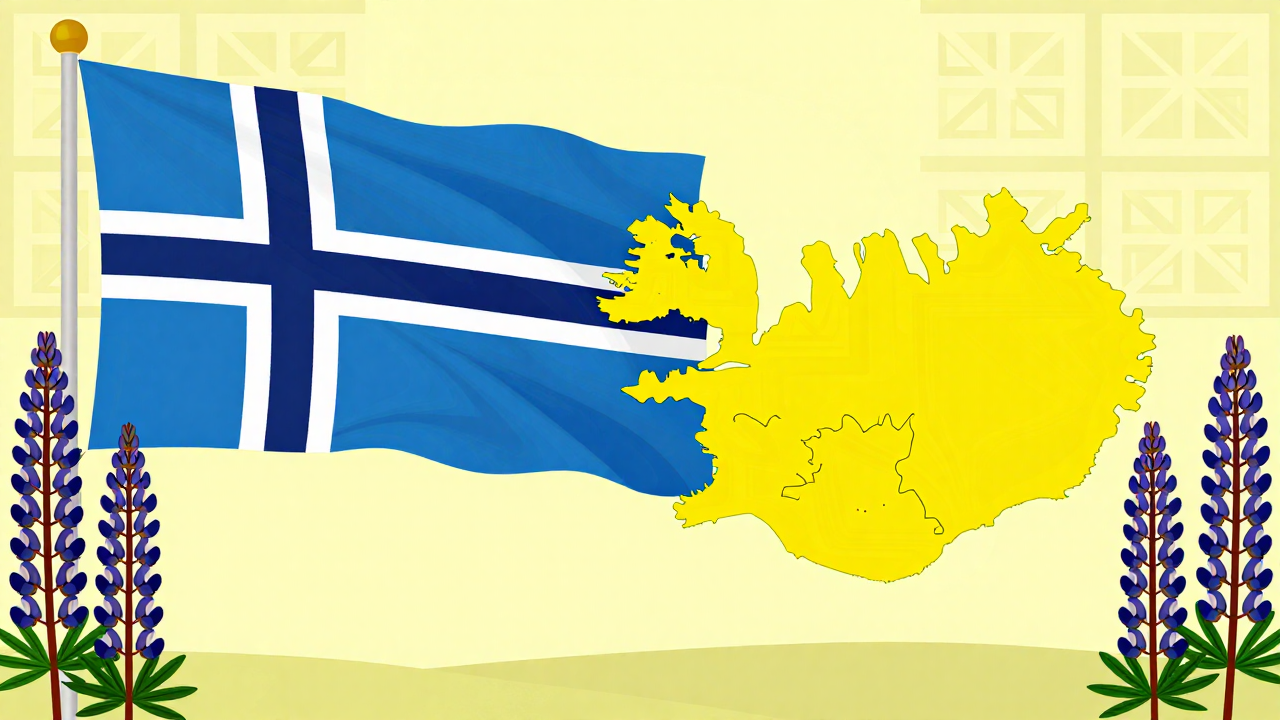
Iceland Independence Day, celebrated on June 17, marks a significant milestone in the nation’s history, commemorating the day in 1944 when Iceland declared its independence from Denmark. This joyous occasion not only honors the hard-fought struggle for sovereignty but also celebrates the unique culture and spirit of the Icelandic people. As the nation comes together, it reflects on the ideals of freedom, democracy, and national pride that continue to shape its identity.
Festivities on June 17 are vibrant and full of life, with parades, traditional music, and folk dancing taking center stage in towns and cities across the country. Families and friends gather to partake in various events, enjoying delicious Icelandic cuisine and sharing stories that connect generations. The day is a beautiful reminder of unity and resilience, as Icelanders celebrate their heritage and the values that bind them together. Whether you are in Iceland or joining in from afar, June 17 is a day to embrace the warmth of community and the joy of independence.
History
Iceland Independence Day, observed on June 17, celebrates the nation’s declaration of independence from Denmark in 1944. The origins of this significant day trace back to the early 20th century when Iceland was a Danish territory. The push for independence gained momentum after World War I, particularly as nationalist sentiments rose and the global context shifted in favor of self-determination. The formation of the Republic of Iceland was a culmination of these efforts, as on June 17, 1944, Icelanders voted overwhelmingly to establish their sovereignty, marking a pivotal moment in the nation’s history.
Over the years, Iceland Independence Day has evolved into a symbol of national pride and unity. Initially, the observance was marked by modest celebrations, as the nation was still finding its footing in the post-war world. However, as the years passed, the significance of the day grew, leading to more elaborate festivities. Today, the celebration includes parades, cultural events, and various activities that highlight Icelandic heritage, fostering a sense of community and national identity among the citizens. The day serves not only as a remembrance of past struggles but also as a recognition of contemporary achievements and aspirations.
Culturally, Iceland Independence Day holds profound significance for the Icelandic people. It is a day for reflection on the nation’s journey toward autonomy and the sacrifices made along the way. Traditional customs, such as singing the national anthem and hoisting the Icelandic flag, are integral to the celebrations, reinforcing a collective memory of independence. Additionally, the day often features performances of folk music and dance, showcasing Iceland's rich cultural heritage. The observance encourages pride in Iceland’s unique identity, while also serving as a reminder of the importance of freedom and self-governance. As Icelanders come together every June 17, they reaffirm their commitment to the values of independence and democracy.